

Tom Hardy returns to MobLand, ending the Harrigans set chaos reports
Paramount+’s hit drama survives behind-the-scenes turmoil, but a third season still isn’t officially booked.
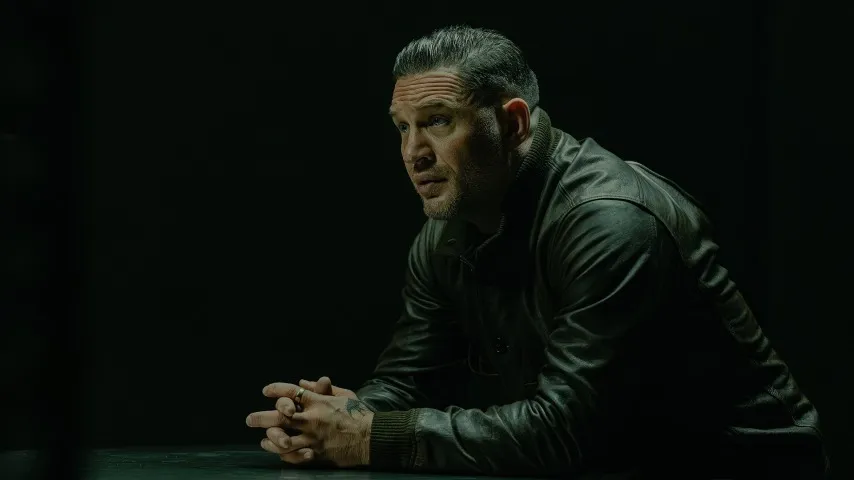
Tom Hardy is officially returning to MobLand, Paramount+’s Guy Ritchie drama, reprising fixer Harry Da Souza after weeks of reports about set trouble. The reversal matters to decision-makers because it stabilizes a flagship series moment while keeping unanswered questions about future seasons.
Tom Hardy is coming back to work on MobLand, the Paramount+ drama from Guy Ritchie, after weeks of reports and rumors about trouble on set. Hardy stars as fixer Harry Da Souza in the first two seasons, with the second season still awaiting release. Before Deadline confirmed the return, there were messy headlines about whether he would actually return, whether Paramount would fire him, and who, if anyone, had been keeping up with the show’s production realities.
The key detail: the rumors were not enough to stop Hardy from returning. Deadline reported that Hardy, along with producers Jez Butterworth and David Glasser, reached a “great understanding,” with Ritchie stepping in to help find a path forward for the show. That single sentence is doing a lot of work. It suggests the conflict, or at least the friction, was serious enough to threaten the production itself, but it also suggests the parties found a way to keep the project moving, and quickly. For anyone tracking media schedules, cast availability is not a soft variable. It is the difference between a show hitting its cadence or slipping into expensive, compounding delays.
To understand why this matters beyond one actor, you have to understand how TV production works when big names are involved. MobLand is positioned as a “hit Paramount+ drama,” and Hardy’s role is central to that brand equity. He led the series in the first two seasons as Harry Da Souza, and the second season is expected later this year. When an engine like that raises concerns publicly, even indirectly through the rumor mill, it can spook internal stakeholders. Networks and streamers run tight calendars for releases, marketing, and downstream licensing and catalog value. A lead not showing up, or even showing up with unresolved tension, can turn into a cascade of knock-on effects: reshoots, scheduling reblocks, and bargaining over creative control.
The source also notes what the rumor storm looked like before the restart. There were “weeks of rumors and hearsay about who did or did not keep Helen Mirren waiting on set,” along with reports that Hardy clashed with producers Jez Butterworth and David Glasser. Before this resolution, Butterworth and Glasser were allegedly the issue, not least because Hardy was reportedly clashing with them in a way that drew comparisons to the calming influence of Guy Ritchie. According to the report, Hardy was on his best behavior with Ritchie, then had problems once Butterworth and Glasser were in charge. There are also specific escalation details: Hardy reportedly locked himself in his trailer and had to be “coaxed out.” Reports added layers of drama, including that he threatened to quit.
This is where the Hollywood reality meets corporate incentives. Producers and showrunners are not just creative leads; they are also execution leads. If a star says, in effect, “I will not continue under these conditions,” that is not a cultural issue only. It becomes a risk question for management: can the company preserve production continuity, or will the series absorb additional costs and delays? It is not hard to see why Paramount would want a path forward that avoids further disruption, especially with a streaming platform where each season is part of a broader subscriber retention strategy. The source does not provide financial figures, but it does make clear the show is already performing well enough to be called a “hit,” which raises the cost of letting the situation linger.
The mention of Helen Mirren’s Instagram post adds another operational angle. Mirren reportedly posted a “low-effort response” writing “Love you now and always” atop a photo of Hardy. In a production crisis, small public signals can function like internal messaging to calm external stakeholders. It does not replace an agreement, but it can reduce uncertainty for audiences and industry observers. In the short term, the headline you want is stability. In the long term, the only stability that counts is whether the cameras keep rolling on schedule.
So what does the “great understanding” mean for the future? It confirms that Hardy is officially returning to work for the Harrigan family on MobLand. But the forward-looking part is incomplete: “a third season has yet to be formally announced.” That gap between “we are moving forward” and “we have fully booked the next slate” is where many decision-makers feel exposed. Streamers and studios often plan seasons, cast contracts, and marketing campaigns well in advance. If a third season is not formally announced, stakeholders will be watching for creative performance, release timing for season two, and the ongoing health of the production relationship.
Season two is expected later this year, and that expectation turns the next phase into a high-stakes sprint. For peers running comparable series, the lesson is not “conflict is bad” or “stars matter.” It is that set dynamics become business dynamics fast. When a lead actor returns after reportedly escalating to threats and trailer lock-ins, it signals a close call where governance, conflict resolution, and stakeholder alignment all had to kick in. The strategic stake is straightforward: keeping a hit series alive is not just about talent. It is about getting everyone aligned well enough to deliver the next release on time, with the cast showing up and the production staying coherent.
This story's Key Insights and Take-aways are locked.
Create a free account to unlock Executive Actions for one credit.
Register to UnlockAlways free for Executives Club members. Join the Club
More in Entertainment

Extraction 3 starts filming on Netflix, with Chris Hemsworth and Idris Elba returning
The hit action franchise is back in production, turning Netflix’s blockbuster sequel plans into a live, measurable pipeline.
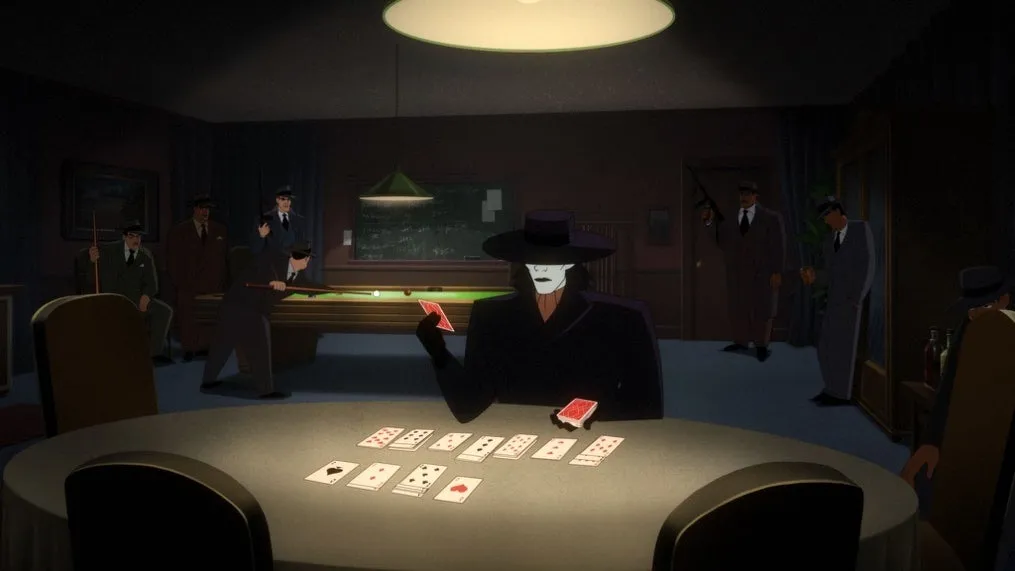
Matthew Needham voices The Joker in Batman: Caped Crusader Season 2
Prime Video confirms the casting from Comic-Con, with Season 2 launching July 31 alongside the new game.
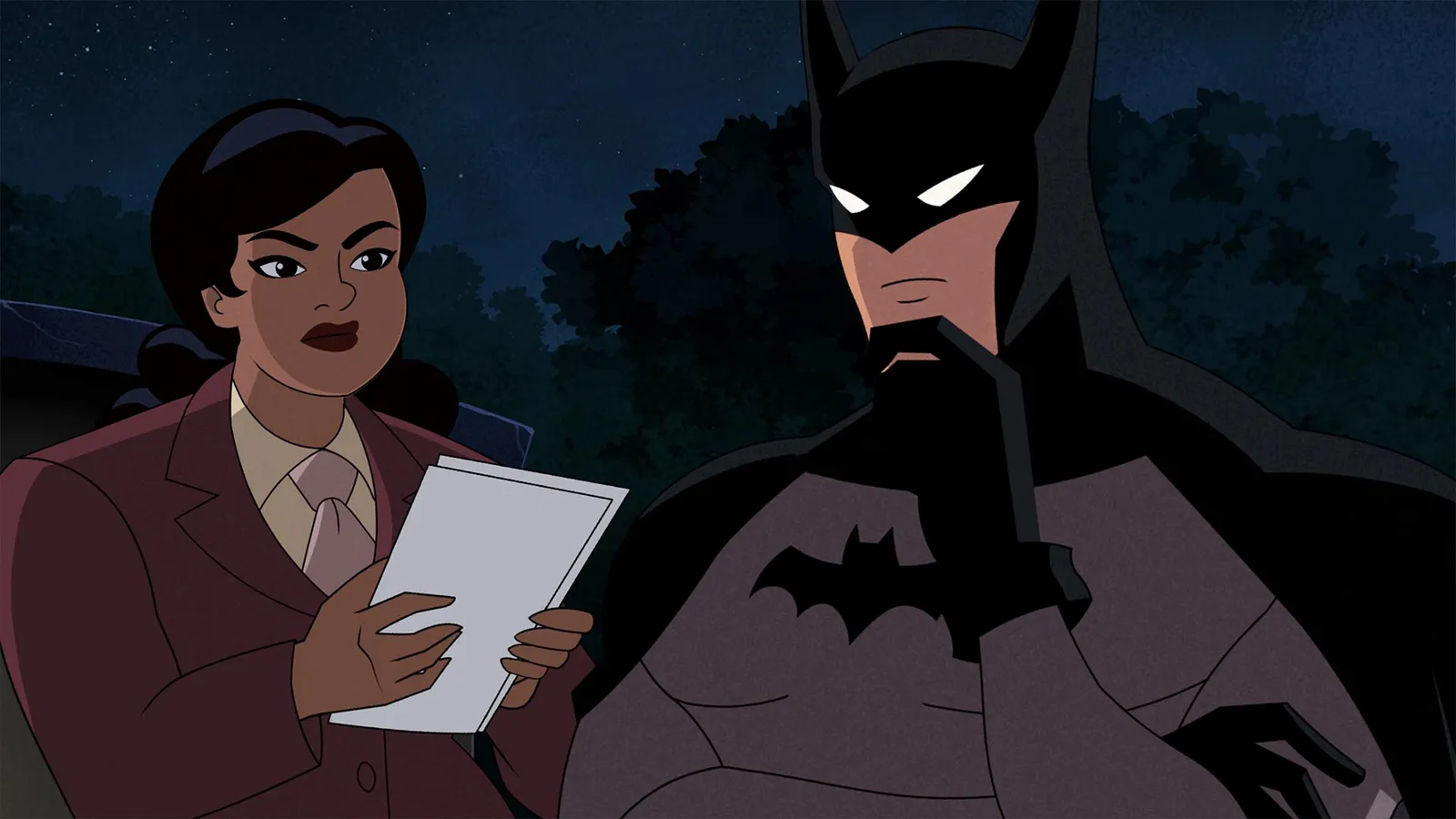
Amazon’s Batman game launches July 31 with Prime, using phones as controllers
Batman: Caped Crusader - Chronicles drops alongside Season 2, and Prime members get it at no extra cost.