

Tom Hardy’s MobLand exit report collides with an update: production seeks an amicable way
A fired-from-upcoming-seasons claim hit MobLand, then an update said Hardy still has a role and the team wants peace.
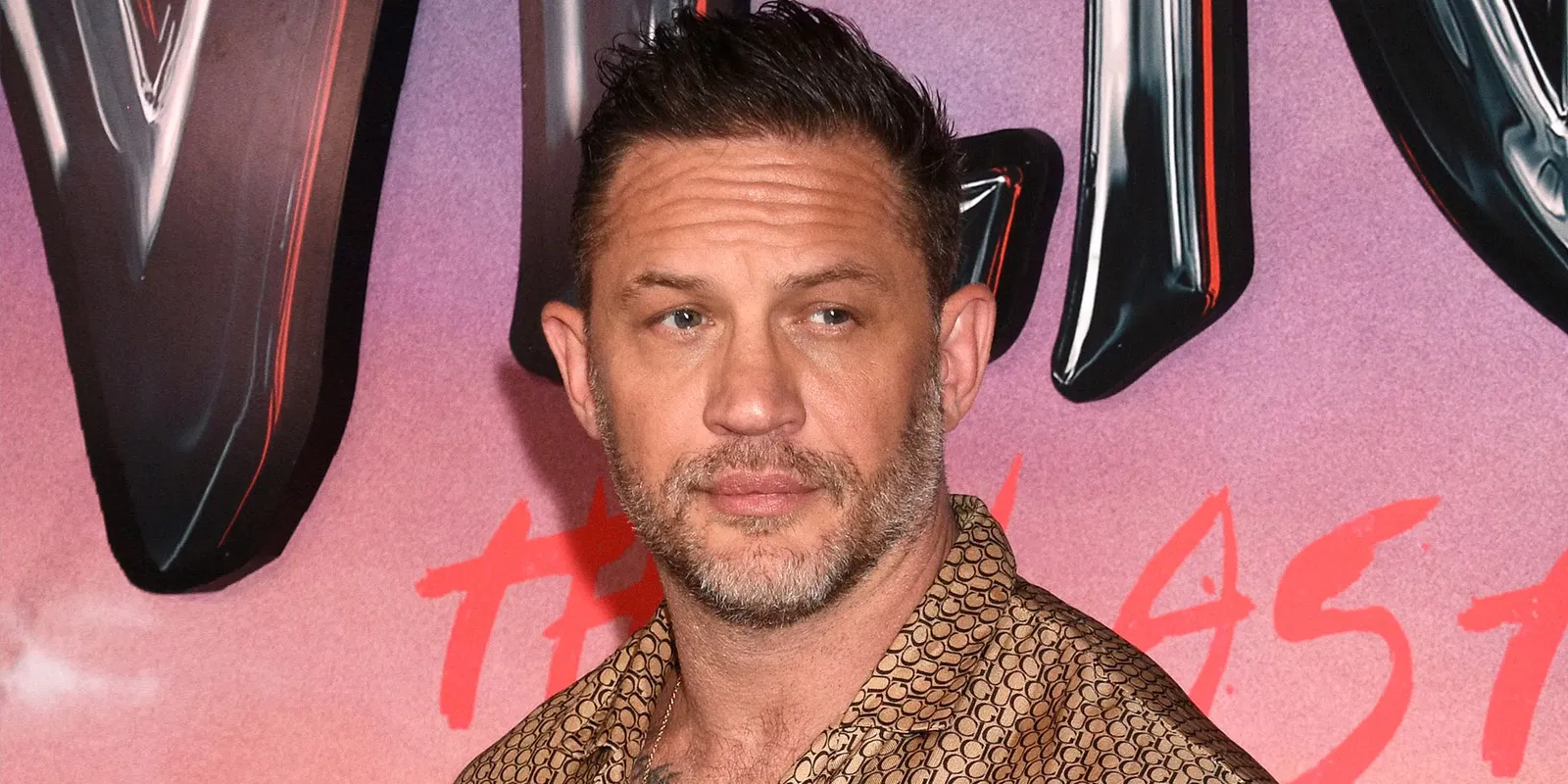
Collider reports that Tom Hardy, the de-facto lead of Paramount+ gangster series MobLand, was allegedly fired from upcoming seasons after clashing frequently with showrunner Jez Butterworth. The immediate consequence is reputational and continuity risk for a second season that was already in production right up until recently.
If you manage a content pipeline, you learn to fear one sentence: “He was fired.” Collider reports that, shortly after filming concluded on MobLand’s second season, it was reported that star Tom Hardy had been fired from upcoming seasons for clashing frequently with showrunner Jez Butterworth.
That sounds like a clean break. It is not what happened next. Shortly after the report broke, an update suggested Hardy is still involved in the show and that everyone involved is looking for an amicable way forward. In other words: the story appears to have switched from a rupture narrative to a damage-control narrative, without fully closing the loop for fans or decision-makers.
Now zoom out to why this matters beyond celebrity gossip. Collider frames MobLand as a major swing in Paramount+’s orbit. The show premiered in 2025 to mostly positive reviews and “instantly emerged as the single greatest challenger to Taylor Sheridan’s Yellowstone.” A second season was quickly green-lit and was in production until recently. When a streamer is fighting for viewing gravity, casting stability is not a soft issue. It is a core variable in marketing plans, scheduling bets, and subscriber retention calculations.
Here’s the operational wrinkle executives should clock: Collider says Hardy is the de-facto lead, even though the narrative gives equal prominence to the characters played by Pierce Brosnan and Helen Mirren. So if Hardy were truly out, it would not just be replacing a star. It would be rewriting the show’s center of gravity, and potentially reshaping character focus across season arcs. That kind of change has second-order impacts, including what can realistically be rewritten versus what must be reshot, and what can be supported by existing footage and story commitments already locked during production.
The Butterworth collision is also the kind of thing that can create compounding friction inside a production. Collider’s reporting ties the alleged firing to Hardy clashing frequently with showrunner Jez Butterworth. Whether or not the firing claim ultimately holds up, the underlying point for boards and executives is that showrunners are both creative architects and governance chokepoints. When there is a mismatch between star leadership and showrunner process, it can spill into day-to-day authority structures: who gets final say on scenes, what happens when rewrites land late, and how disagreements affect morale, pacing, and the ability to deliver on a schedule that streaming economics depend on.
There is also a broader incentive structure driving why updates like this happen quickly. Streaming platforms live and die by predictability. Even when the details are murky, an “amicable way forward” update functions like a signal to internal stakeholders: production continuity may be salvageable, and the organization is trying to avoid the type of public fracture that can make negotiations harder and costs higher. When a show is positioned as a “greatest challenger” to a flagship franchise like Yellowstone, the tolerance for chaos is lower.
For decision-makers thinking in terms of risk and governance, the Hardy story reads like a practical case study in narrative control. Collider first reports an abrupt severance-style outcome. Then it reports an update saying Hardy is still involved and that everyone is seeking an amicable resolution. That sequencing matters. Early reports can influence fan sentiment, influencer commentary, and industry chatter. The follow-up can blunt damage, but it also confirms the situation is fluid, meaning contracting, scheduling, and creative planning may be in motion even after filming concluded.
Second-order implications for executives and boards are straightforward. If key talent relationships are unstable, it can affect not just one show, but future renewals, talent availability, and negotiation leverage across the slate. It can also affect how confidently marketing teams can promote “the next season,” because the promised continuity of characters and performances is what turns trailers into trust.
Bottom line: MobLand has been framed as a fast-rising contender, with a second season that was in production until recently. The reported Hardy firing, followed by a suggestion he remains involved and the team wants an amicable way forward, puts continuity and credibility on the line. For peers managing high-stakes streaming bets, the lesson is blunt: when the star and the showrunner are in conflict, the real risk is schedule certainty and story integrity, not just headlines.
This story's Key Insights and Take-aways are locked.
Create a free account to unlock Executive Actions for one credit.
Register to UnlockAlways free for Executives Club members. Join the Club
More in Entertainment

Christopher Nolan’s “The Odyssey” posts his biggest Tuesday haul, surpassing “The Dark Knight’s” record
The film’s Tuesday breakout reframes Nolan’s box-office ceiling and forces competitors to rethink timing, budgets, and release strategy.

Kacey Musgraves cancels Aug. 20, 29, Sept. 2 Middle of Nowhere shows
Ticketmaster emails are telling fans refunds are coming, while the tour still starts Aug. 21 in Chicago.

Billie Joe Armstrong launches Epiphone Les Paul Junior and Marshall 1959BJA signature gear
Two limited releases turn decades of Green Day’s tone into branded hardware, including Marshall’s first artist amp in 14 years.