

Tom Quinn hails Neon’s seventh Cannes win as indie bets keep paying off
Neon’s streak gives Tom Quinn a fresh proof point: tiny distributor, giant trophy run, and a louder case that prestige still moves audiences and deals.
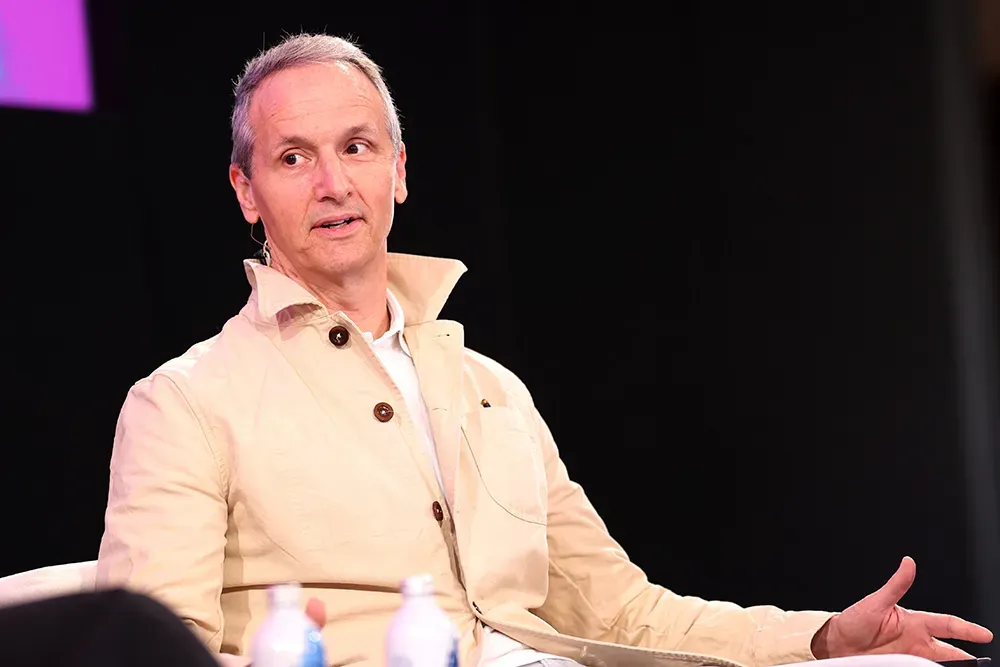
Tom Quinn, the executive behind Neon, spoke at SXSW London just under two weeks after the distributor won its seventh consecutive Palme d'Or in Cannes with Cristian Mungiu's 'Fjord.' For other leaders in film, media, and culture, the message is blunt: a 10-year-old indie distributor is still turning festival credibility into serious market leverage.
Tom Quinn showed up in the U.K. with a fresh brag that is hard to fake: Neon had just claimed its seventh consecutive Palme d'Or in Cannes, this time for Cristian Mungiu's 'Fjord.' The timing mattered. Quinn landed in London for a special talk at SXSW London less than two weeks after the win, and he described the streak as "extraordinary." That is not just festival-season chest-thumping. It is a reminder that one of the smaller names in distribution, an indie outfit that marks only its 10th birthday next year, has built an awards engine strong enough to keep showing up at the center of the global conversation.
The basic facts are almost absurd when you stack them together. Neon is still a relatively young company, yet it has now won Cannes' top prize seven years in a row. In an industry where prestige can be fleeting and taste is famously unpredictable, that kind of repeat success is a business asset, not just an artistic flex. Quinn's remarks at SXSW London framed that run as evidence that the company is doing something rare: consistently spotting or backing work that lands with both critics and the festival circuit. For anyone trying to understand how influence is built in entertainment, the point is clear. In film, credibility compounds, and festival wins can become a moat.
Quinn also used the talk to make a broader argument about what Neon is actually buying, or at least what it believes it is serving up. He said, "I don't see this as YouTube or otherwise, I see this as cinema." That line matters because it draws a bright border between formats that are often tossed into the same conversation by people outside the business. YouTube usually signals scale, speed, and creator-first distribution. Cinema signals the opposite: theatrical craft, artistic intention, and a different path to value. Quinn's framing suggests Neon is not trying to win by acting like a platform that hoovers up everything. It is staking its identity on curation, taste, and the enduring premium attached to being treated like film, not content.
That distinction is especially important right now because the market around entertainment keeps rewarding people who can be both selective and commercially relevant. Festival prestige alone does not pay the bills. But in a business where audience attention is fragmented and every title has to fight for oxygen, a distributor that can consistently attach itself to prestigious work gains leverage with filmmakers, financiers, press, and partners. A run like Neon’s can help signal that the company has a repeatable process, not just a lucky streak. And because the company is approaching its 10th birthday next year, the Cannes record also serves as a compact story about institutional credibility: young enough to feel nimble, established enough to matter.
The strategic subtext is that this kind of reputation can affect how the next round of decisions gets made, even when no one says it out loud. Filmmakers want homes where their work will be taken seriously. Investors and backers want proof that a distributor can create cultural heat, not just move inventory. And partners in the broader ecosystem care whether a label can turn awards attention into a durable brand. Neon’s repeated Cannes success gives Quinn something many executives spend years trying to manufacture: evidence that the market listens when the company speaks. At SXSW London, that evidence was doing real work.
There is also a second-order implication for peers across media and entertainment. The age of a company does not necessarily tell you how much pull it has. Neon, despite being only a decade old next year, is behaving like a brand with much deeper roots because it has made prestige a system, not a one-off. That is a useful lesson for any executive building in crowded creative markets: consistency can become identity, and identity can become power. Quinn’s comments did not promise a new business model or a radical pivot. They did something more valuable. They showed how a company can turn a festival streak into a narrative about taste, discipline, and staying power, which is exactly the kind of story that shapes how the rest of the industry treats you tomorrow.
This story's Key Insights and Take-aways are locked.
Create a free account to unlock Executive Actions for one credit.
Register to UnlockAlways free for Executives Club members. Join the Club
More in Entertainment

Christopher Nolan’s “The Odyssey” posts his biggest Tuesday haul, surpassing “The Dark Knight’s” record
The film’s Tuesday breakout reframes Nolan’s box-office ceiling and forces competitors to rethink timing, budgets, and release strategy.

Kacey Musgraves cancels Aug. 20, 29, Sept. 2 Middle of Nowhere shows
Ticketmaster emails are telling fans refunds are coming, while the tour still starts Aug. 21 in Chicago.

Billie Joe Armstrong launches Epiphone Les Paul Junior and Marshall 1959BJA signature gear
Two limited releases turn decades of Green Day’s tone into branded hardware, including Marshall’s first artist amp in 14 years.