
Tommy Winkler, The Food Guy, signs with IAG, expanding creator brand power
The 12.3M TikTok lifestyle creator’s IAG deal signals how agencies are packaging audience reach into bigger business moves.
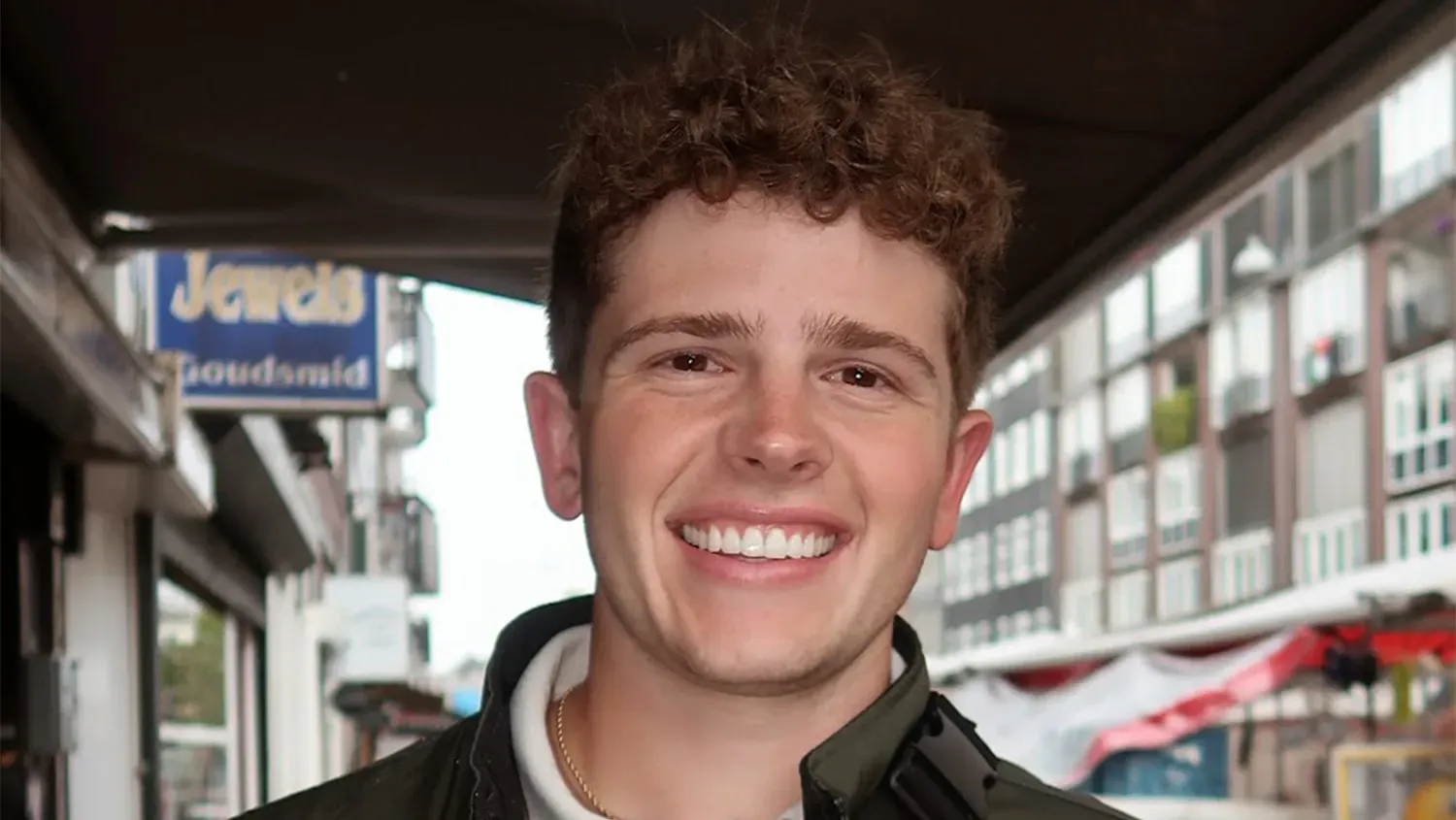
Tommy Winkler, known as 'The Food Guy' to 12.3M TikTok followers, has signed with Independent Artist Group (IAG). For decision-makers, it is a reminder that mainstream lifestyle creators are increasingly treated like scalable brand assets, not one-off internet personalities.
EXCLUSIVE: Tommy Winkler, aka 'The Food Guy' to his 12.3M TikTok followers, has signed with Independent Artist Group (IAG). That headline matters because it is not just a new manager. It is a signal that IAG is leaning into a specific kind of modern creator economy play: big, food-first audience reach plus a personality people already choose to watch, share, and trust.
Winkler built his sizeable digital following through food-focused content and an outsized personality, and Deadline notes he also has multi-platform reach. The core business point for executives is simple. A creator like this does not only generate views. They generate distribution. And distribution is what turns content into partnerships, products, and revenue streams that are easier for brands and agencies to underwrite.
Since his early viral videos helped him gain traction, Winkler has branched into content creation, partnerships, and entrepreneurial ventures. In creator-agent terms, that is exactly the profile agencies try to formalize. The more a creator already behaves like a mini media company, the less the agency has to “invent” a business model later. Instead, the relationship can focus on accelerating what already works, structuring deals, and creating consistent pathways from audience attention to commercial outcomes.
IAG signing Winkler also highlights how lifestyle content is maturing. Food has long been one of the most brand-friendly categories because it naturally connects to sponsorships, affiliate commerce, restaurants, and consumer products. But what changes in the last few years is that audience scale is now measured in predictable, trackable ways, especially across social. Winkler’s 12.3M TikTok followers are not just a flex. They are leverage in negotiations, because they represent demand for his perspective on what to eat, how to cook, and what to try next.
For boards, investors, and senior operators monitoring the ecosystem, there is a second-order implication: agencies are increasingly building “creator pipelines” that look and behave more like talent and IP management combined. That is important because it shifts how risk is distributed across the chain. Brands want reliable reach and clear audience fit. Agencies want a repeatable way to package talent into opportunities. Creators want more of the upside when attention turns into contracts.
It is also worth remembering that the creator economy operates under a growing patchwork of platform and disclosure expectations. While the Deadline piece does not cite any regulatory actions, the environment has generally pushed creators and partners toward clearer sponsorship disclosures and more careful handling of marketing claims. When a creator signs with a group like IAG, the value is often not only strategy. It is process. Better deal structures can mean fewer compliance headaches when a partnership spans multiple platforms, content formats, and advertiser categories.
There is another incentive layer here. Multi-platform reach means the creator is not dependent on a single algorithm. That matters because executives who sign creators increasingly think in terms of resilience, not just peak performance. If TikTok distribution fluctuates, a creator who can repackage formats for other channels can smooth revenue and protect partner commitments. Deadline explicitly points to Winkler’s multi-platform reach, which suggests IAG sees durability, not just a moment.
Finally, the strategic stakes extend beyond Winkler and IAG. When a lifestyle creator with a clear niche signs with a reputable group, it can reshape expectations for peers in similar roles. Other creators feel pressure to professionalize, diversify partnerships, and build multi-stream ventures sooner. Other agencies and talent managers feel pressure to compete for profiles that already have traction plus the personality that drives repeat viewing. And for decision-makers at brands, it raises the question of who is really buying attention, and who is building the infrastructure to turn that attention into a reliable pipeline of campaigns.
In short: Winkler’s IAG signing is a straightforward headline on paper. In practice, it is a case study in how audience scale, category fit, and creator entrepreneurship are converging into a more institutional marketplace for content-driven growth.
This story's Key Insights and Take-aways are locked.
Create a free account to unlock Executive Actions for one credit.
Register to UnlockAlways free for Executives Club members. Join the Club
More in Entertainment
Disclosure Day opens to $44 million, but Spielberg’s first wide B since 2008 raises risk
A $19 million opening day from 3,824 locations puts Universal/Amblin on track, yet $115M budget and weaker-than-typical reception complicate profit math.

Naoki Hamaguchi says 95% stayed put, letting Final Fantasy VII Revelation ship in spring 2027
A rare fast turnaround in AAA, powered by retention, reshaping how executives think about schedule risk.

Anna Faris says anxiety eased after “Framed for Murder” fear as Scary Movie hits $55M
The actress opens up about anxiety and the box-office moment behind Scary Movie’s franchise-best opening weekend.