
Toy Story 5 opens $312M, and Pixar proves sequels can still grow audiences after 31 years
The age data and box office swing show how “waiting years” plus a story-first approach is beating IP fatigue.

Pixar’s flagship franchise “Toy Story 5” earned a $312 million global opening, and TheWrap’s analysis points to the film’s audience expansion after decades. For decision-makers, the strategic signal is clear: sequels are working when they balance four-quadrant reach with generational relevance.
“Toy Story 5” didn’t just arrive 31 years into the franchise. It earned a $312 million global opening, the highest for Pixar's flagship series. In the U.S. and Canada, it opened to $160 million, which is 25% higher than “Toy Story 4’s” previous franchise record of $120 million in 2019. That is the kind of performance spike most studios only dream about once the calendar turns and nostalgia becomes a marketing crutch.
The more interesting part is who showed up. “Toy Story 5” played like a true four-quadrant movie, fairly evenly to audiences both over and under the age of 25, rather than leaning heavily toward older, long-time fans. According to data provided by Disney, the percentage of opening weekend moviegoers under the age of 25 was 44% for “Toy Story 5,” compared to 59% for “Toy Story 4” seven years earlier. On the other side of the spectrum, turnout from the 55+ crowd ticked up from 2% for “Toy Story 4” to 6% for “Toy Story 5.” Translation: Pixar is aging, but it is not trapped. The franchise is pulling in new viewers while still keeping older ones in the theater.
For executives, that matters because the industry’s default playbook is getting punished. TheWrap’s analysis notes that other attempts to revive or sustain blockbuster IP have been falling flat, and recent examples are cited as pulling a heavy skew toward older longtime fans. The implication is not subtle: if your sequel depends on an existing fan base, you eventually hit diminishing returns. “Toy Story 5” shows the alternative path is not to abandon legacy, but to design it so it can recruit the next cohort.
This “audience recruitment over time” is not accidental. The analysis highlights Pixar’s broader pattern: Disney’s strategy of waiting many, many years between sequels “should continue to pay off.” It connects that to how recent nostalgia cycles work. “The Incredibles 2” earned $182.4 million domestic opening in 2018, driven by strong family turnout and nostalgia from young, single millennials who had childhood memories of the first “Incredibles” 14 years prior. “Inside Out 2” opened to $154 million domestically in 2024 and grossed nearly $1.7 billion worldwide, pulling from similar nostalgia from Gen Zers who were kids when the first “Inside Out” came out in 2015 and aged into the 18-24 demo.
But “Toy Story” is presented as the franchise that perfected the formula earlier than anyone else. “Toy Story 3,” released 11 years after “Toy Story 2,” shifted perspective to a grown-up Andy who is ready to let go of his toys as he goes off to college. Woody and the gang come to terms with it. The audience response was not just respect, it was measurable payoff: the film earned a $1.06 billion run. That matters because it frames the real business mechanics behind the nostalgia narrative. When you wait, you have to earn the wait. You earn it by writing a sequel that speaks to the generation that grew up with the original, while still being accessible to kids arriving fresh.
That dual audience is exactly where “Toy Story 5” leans in, even as it shifts roles inside the story. The analysis notes that even though the film transitioned Woody and Buzz into supporting roles while Jessie the Cowgirl takes over as lead, the emotional core remains intact. It also emphasizes what helped the franchise avoid the “cash grab” label that other sequels have drawn from online discourse. In other words, Pixar’s success is not just about brand recognition. It is about avoiding the trust break. When audiences sense a sequel was designed to harvest attention rather than tell a real story, they revolt. When the sequel feels emotionally coherent, they show up anyway.
There is also a creative pitch hiding inside the business numbers. Shawn Robbins, director of analytics at Fandango, credits “Toy Story 5” to a story about “tech vs. toys” that speaks to hand-wringing parents and, crucially, to kids who might feel anxious about fitting in. That is a reminder for boards and investors who track “IP value” as if it were a spreadsheet line item. The story is not a decorative layer. It is the mechanism that determines whether the movie is four-quadrant or only one demographic.
The industry context makes the lesson even sharper. Theaters are still searching for an original animated film that can clear $500 million globally in a post-pandemic market, and the analysis says the film that could have done it became a cultural phenomenon through streaming instead. In that environment, “Toy Story 5” is not just a sequel doing sequel things. It is a proof point for how studios can use existing franchises to deliver reliable theatrical events. Even “Toy Story 5” is positioned against older benchmarks: the analysis notes that critics and audiences agree the emotional core stayed intact across the franchise transition, and it frames the potential downside and upside against “Minions & Monsters” in July as well as totals like the $1.07 billion run of “Toy Story 4.”
For executives at other entertainment companies, the stakes are practical. If your pipeline is crowded with IP revivals, this is a warning sign: revival is not the strategy, relevance is. “Toy Story 5” suggests a route to relevance that hinges on three things the industry often underweights: a generational time gap, an audience-balanced presentation (that under-25 and 55+ spread), and a story premise that connects beyond parental nostalgia. Pixar is not simply building an audience. After 31 years, it is passing it forward, like the analysis says “Star Wars” once did. In an era when most reboots are fighting the last fight, that is a competitive edge you can actually measure at the box office.
This story's Key Insights and Take-aways are locked.
Create a free account to unlock Executive Actions for one credit.
Register to UnlockAlways free for Executives Club members. Join the Club
More in Entertainment

Encore Films locks worldwide rights for Stephen Chow’s Kung Fu Soccer outside China
A Singapore distributor just secured distribution power for Stephen Chow’s Shaolin Soccer follow-up, reshaping the film’s global rollout.
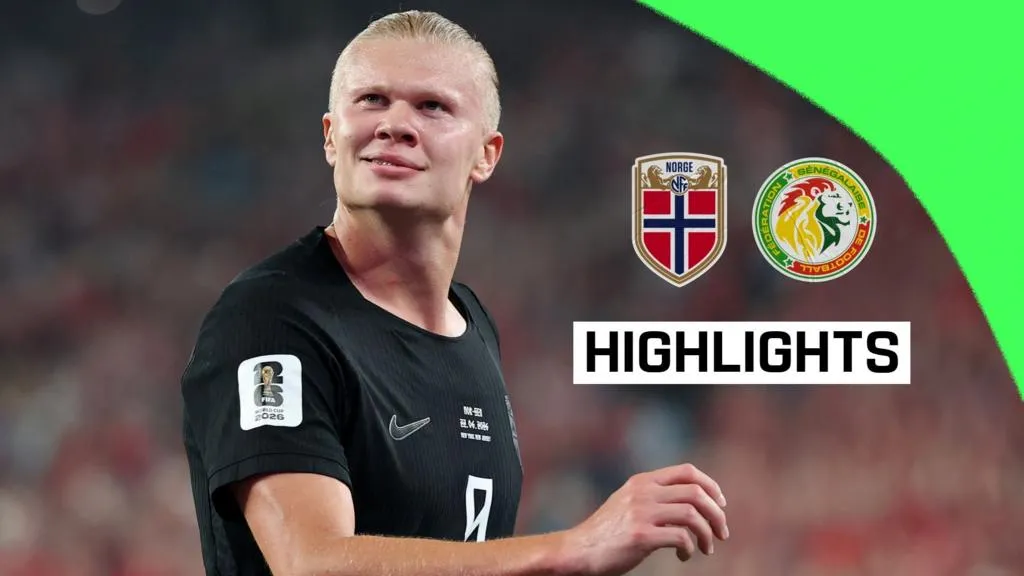
Haaland nets two as Norway beat Senegal 3-2 to reach World Cup last 32
In New Jersey, Erling Haaland’s brace turns a five-goal thriller into a direct ticket to the last 32.
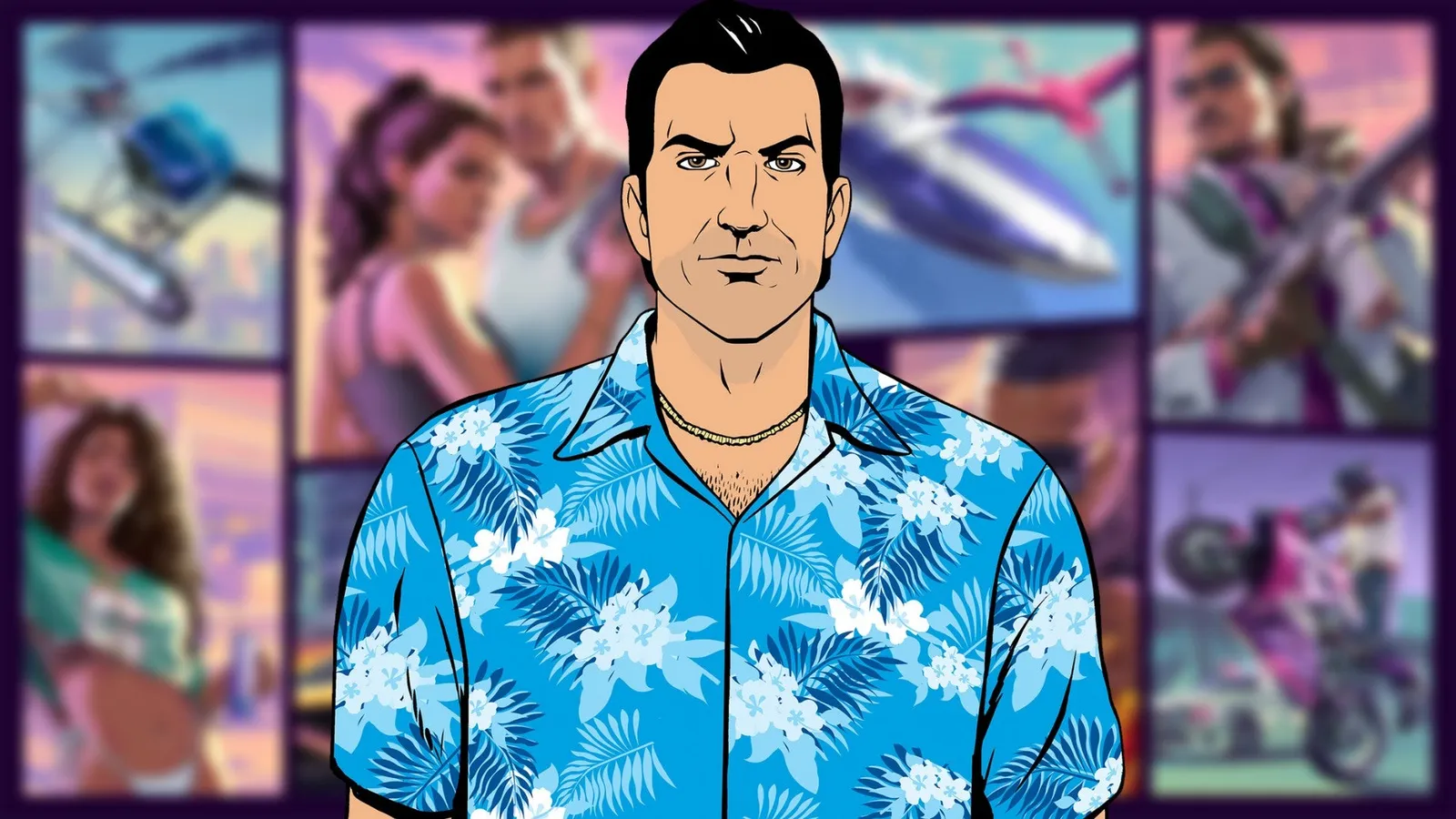
GTA 6 trailer hides Tommy Vercetti's lizard painting for half a second
A Vice City wink in Trailer 2 took over a year to notice, raising questions about what GTA 6 will reference.