
Toys for Bob bought back independence from Xbox to return to Spyro
Studio head Paul Yan says Xbox ownership pushed the team away from its core game style, so they reversed course.
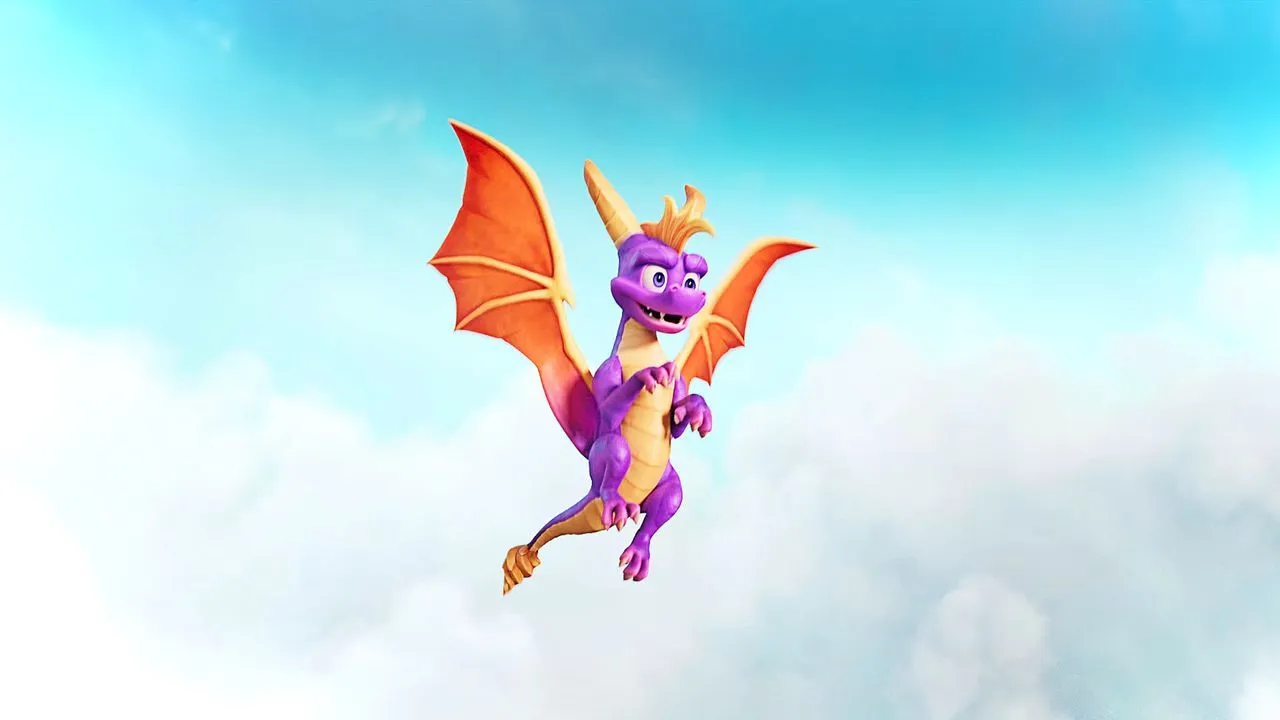
Toys for Bob studio head Paul Yan says the team had to buy back its independence from Xbox “to get back to the games we were known for.” For decision-makers, it is a reminder that creative misalignment can become an operating problem, not just an art question.
Toys for Bob studio head Paul Yan says the studio had to “buy back” its independence from Xbox so it could “get back to the games we were known for.” Under Xbox, Yan says the team was “just straying too far off from the types of games that we’re passionate about,” instead of focusing on the classic Spyro style fans associate with the studio.
That quote is the headline: this is not a vague “creative difference” story. It is a corporate structure story. Ownership and reporting lines can quietly change what a team ships, what leadership emphasizes, and how quickly creative risk is either encouraged or pressured. Yan is essentially saying that Toys for Bob’s best work requires freedom to aim at the work it is known for, not whatever adjacent genre the wider parent company is prioritizing in a given cycle.
So what does “buy back independence” actually signal in the games industry? In broad terms, Microsoft and other platform owners have spent years acquiring and integrating studios, then steering them toward specific franchises, production rhythms, or internal priorities. That can be great when incentives align. It can also be disruptive when a studio has a clear identity and craft. For a studio like Toys for Bob, the “known for” part matters. When fans and the studio’s own history are tied to a recognizable experience, drifting too far can create two separate problems: internal morale and external perception. Yan’s wording points to internal morale first, but the two usually travel together.
Yan’s “straying too far off” line is also a warning about how modern game strategy works. Platform holders and publishers do not just fund games, they fund decisions. They set targets, choose which projects get resources, and influence what “success” means. Even when executives never micromanage the art, the combination of KPIs, schedules, marketing commitments, and cross-studio learnings can nudge teams away from their natural creative center.
This is where the story connects to a bigger industry conversation that has intensified over the last few years: consolidation. As more studios get pulled into larger ecosystems, the question is not only who makes money, but who owns the creative direction. That includes the operational reality of production. Bigger parent companies often optimize for portfolio balancing, scheduling, and platform strategies. A smaller studio optimizing for its signature style might look “less flexible” on paper. Then, over time, people notice. Yan’s comments suggest that the notice became acute enough that Toys for Bob pursued a structural reset.
It is also worth understanding why “independence” can be an existential lever. Creative teams are not production lines where any input produces the same output. When you ask a studio to repeatedly shift away from what it is passionate about, you can burn out designers, confuse producers about priorities, and turn experimentation into churn. The result is not just weaker products. It can also be a loss of focus that makes future collaborations, hiring, and internal alignment harder.
Even without details of the financial terms, the decision itself carries a clear consequence for decision-makers. Studios and boards that oversee IP and brand equity should treat creative alignment as a measurable operational risk. If a studio’s identity is a strategic asset, then ownership structures that dampen that identity can undermine the very value the parent wanted to capture. Yan’s framing implies a recognition that steering was taking the studio away from its best lane.
For executives at other studios in Microsoft’s orbit, or at any publisher trying to integrate acquisitions, this story lands as a balancing act. Independence does not automatically mean better games, and integration does not automatically mean worse ones. The key is incentives and autonomy, especially when the “games we were known for” are tied to a specific design philosophy. Yan’s comments show what happens when a studio feels the autonomy is slipping: the response is not only to change projects, but to change the relationship.
Put simply, Toys for Bob appears to have concluded that the shortest path back to its core craft required a governance-level move, not a band-aid. For peers, the strategic stake is clear. If your studio’s brand and passion are being pulled off-course by parent-company priorities, the fix might not be a new roadmap. It could be a reset of who controls the direction.
This story's Key Insights and Take-aways are locked.
Create a free account to unlock Executive Actions for one credit.
Register to UnlockAlways free for Executives Club members. Join the Club
More in Entertainment

Christopher Nolan’s “The Odyssey” posts his biggest Tuesday haul, surpassing “The Dark Knight’s” record
The film’s Tuesday breakout reframes Nolan’s box-office ceiling and forces competitors to rethink timing, budgets, and release strategy.

Kacey Musgraves cancels Aug. 20, 29, Sept. 2 Middle of Nowhere shows
Ticketmaster emails are telling fans refunds are coming, while the tour still starts Aug. 21 in Chicago.

Billie Joe Armstrong launches Epiphone Les Paul Junior and Marshall 1959BJA signature gear
Two limited releases turn decades of Green Day’s tone into branded hardware, including Marshall’s first artist amp in 14 years.