

Training people on specific visual cues nearly doubled AI face detection accuracy
Science shows a practical way to improve spotting synthetic faces, with ripple effects for trust, compliance, and product risk.
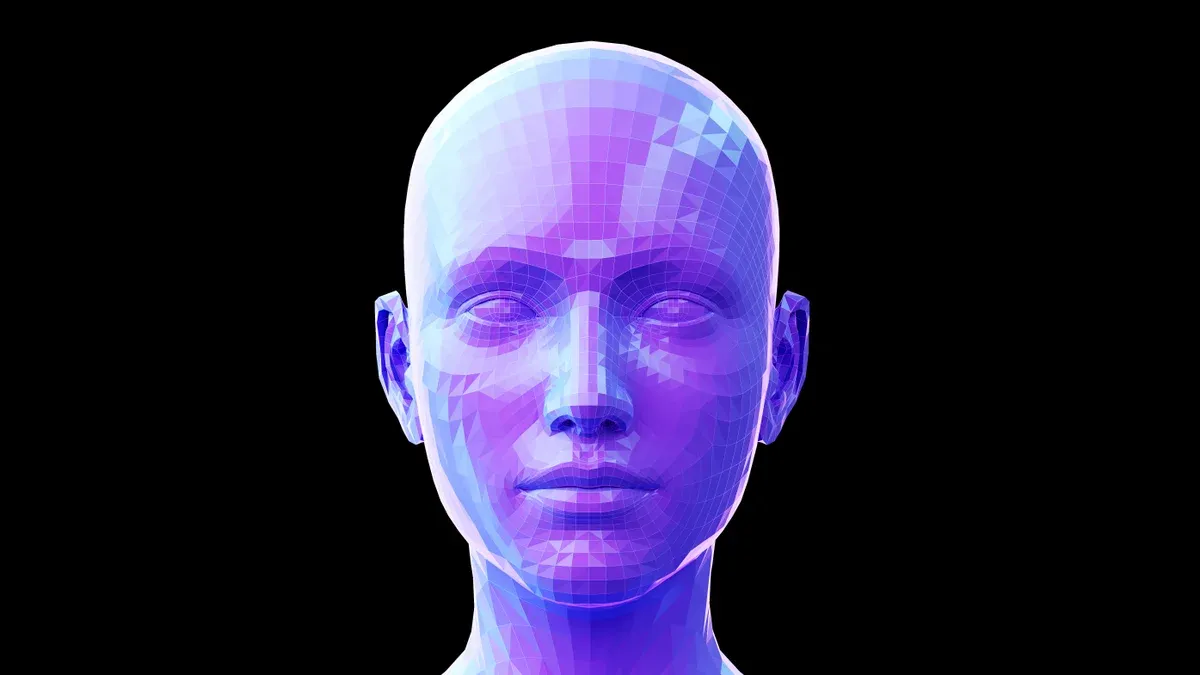
Scientific American reports that training people to focus on the right visual cues nearly doubled how accurately they could spot AI-generated faces. For decision-makers, this suggests human review workflows and policy can be upgraded faster than perfect deepfake detection alone.
If you think catching AI-generated faces is mostly about “spotting weirdness,” science disagrees. Scientific American reports that training people to pay attention to the right visual cues nearly doubled how accurately they could spot AI-generated faces. That is the core result, and it matters because real-world deepfakes are rarely detected by magic eyesight. They are detected, or missed, by processes.
The research highlights something quietly powerful: accuracy improved when participants were trained on the correct visual cues, not when they were left to rely on general intuition. In other words, the problem is not just that AI imagery is convincing. It is that humans need targeted guidance about what to look for. When that guidance is done well, performance nearly doubles.
Why should executives care? Because the “synthetic media” risk is already showing up everywhere: identity verification, customer support, HR workflows, fraud investigations, and brand safety. Many organizations still treat deepfake detection as a one-size-fits-all technology question. But the findings in Scientific American point to a more operational truth. Even if you deploy automated tools, you will still need humans in the loop at some stage, especially when the consequences of a mistake are high. If training can significantly improve human accuracy, then investing in it can change outcomes without waiting for every model to get better.
There is also a board-level angle. If your oversight strategy assumes that either detection algorithms are sufficient, or humans are inherently too error-prone, you might be building controls that are under-designed. This result suggests a middle path: combine detection technology with improved attention strategies. That can reduce the gap between a policy written on paper and the behavior people actually follow when they are staring at images under time pressure.
Now zoom out to incentives, because incentives shape how companies respond to synthetic media. When teams are rewarded for speed, they tend to default to fast heuristics. When teams are rewarded for safety, they spend more time checking. Training people to focus on the right cues effectively changes the heuristic. It gives reviewers a concrete checklist style mental model. That can make a review workflow more consistent across shifts, reviewers, and locations, which is exactly what compliance teams tend to want.
There is a regulatory background to this too. Regulators around the world have been pushing for stronger identity assurance, transparency, and accountability in digital systems. While the exact requirements differ, the direction is similar: if you handle people’s identities or high-risk transactions, you have to justify your controls. A key question auditors ask is not just what tools you purchased, but how you ensured the process works in practice. Evidence that targeted training nearly doubled detection accuracy provides a stronger basis for process claims than “we trained everyone to be careful” or “we used an AI detector.” It is easier to defend a control when the control itself is the thing that science has tested.
Second-order implications follow quickly. If training helps humans catch AI-generated faces, it also changes how you should evaluate vendor claims. Many vendors market face authenticity tools with performance numbers that may not translate into your context, your lighting conditions, your population, or your review procedures. A training-backed approach gives boards another lever: you can improve performance even when tooling is imperfect. That can reduce the risk of over-relying on a single detection layer.
Strategically, this also affects how fast teams can respond. Developing or upgrading detection models can take time, and those improvements may still fail on edge cases. Training upgrades can often be shipped more quickly: update the guidance, refresh the cues, measure accuracy, and iterate. That means you can build a continuous improvement loop for human review that moves as fast as the threat landscape.
For peers, the stake is trust. In high-risk environments, a missed synthetic face can lead to fraud, reputational damage, legal exposure, and costly incident response. Conversely, better detection reduces both direct losses and the downstream chaos that follows when incidents are uncertain. Scientific American’s finding is a reminder that, sometimes, the biggest gains do not come from a breakthrough algorithm. They come from teaching people exactly what to look for, then measuring whether it works.
This story's Key Insights and Take-aways are locked.
Create a free account to unlock Executive Actions for one credit.
Register to UnlockAlways free for Executives Club members. Join the Club
More in Science
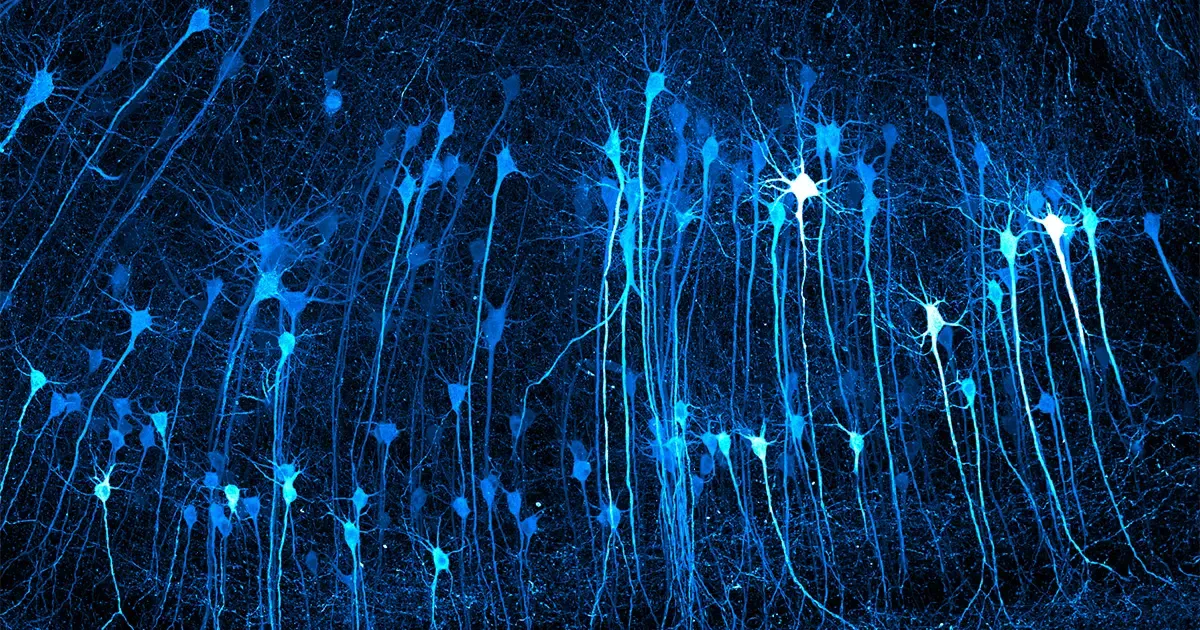
2026 Nikon Small World Winners Reveal the Hidden Machinery of Everyday Life
A mycologist's frozen Edinburgh garden became the backdrop for vivid views inside cells, a reminder of what advanced imaging now makes visible to researchers and the industries built on biology.

Study: 1 in 4 depression cases may be a body-clock problem, not a chemical one
A 10,000-person study finds standard antidepressants often fail these patients, but melatonin and morning sunlight may hit the real root cause.

Start-Up Says A.I. Designed a Virus to Attack One Patient's Superbug
If the claim holds up, personalized phage therapy could become a new frontline weapon against antibiotic resistance - but proof is far from final.