

Tribeca winner Wesley Wang pitches a 3D bunny first-person shooter built on carrot loot
The creator behind Violet and Marlowe Rob a Bank reveals two game concepts, a possible prequel, and why YouTube stays central.

Wesley Wang, the Tribeca Festival short film winner (Violet and Marlowe Rob a Bank), says he is developing plans to adapt the violent bunny animated short into a 3D first-person shooter video game. For decision-makers, it signals how top animated IP is being productized across games, theaters, and streaming, without treating YouTube as expendable.
A Tribeca Festival short film just won big, and its creator is already translating the same world into a 3D video game. Wesley Wang, the filmmaker behind Violet and Marlowe Rob a Bank, says he is working on game adaptations that include a repeatable first-person shooter loop where players rob carrot factories for upgrades.
Wang lays out two distinct concepts. One is a 3D shooter built around a factory robbery cycle: you are dropped into one of these factories to rob carrots, then return to a hub to trade in carrots for better furniture and to build up your home, repeating the loop. The other is more story-driven, with quests centered on Violet and Marlowe robbing factories or banks, amassing carrots as part of a revolt against the government.
This is the part where executives should pay attention: Wang is not treating the short as a one-off trophy. Violet and Marlowe Rob a Bank also functions as the official music video for New York-based band Adore’s song “Feel It Again,” and it won the short film award at the 2026 Tribeca Festival. So the IP is already multi-distribution by design, which matters because games, streaming, and theater do not monetize the same way. A music video can travel instantly on YouTube. A game can monetize over long tails through gameplay, content updates, and community engagement. A theatrical or prestige streaming release can capture cultural footprint and legitimacy. Wang says theaters, streaming, and YouTube are all on the table, including platforms like Netflix or Hulu.
Wang also gives a rare window into the creative engine behind the project. In the short film, Violet and Marlowe are two Calico Critters-style bunnies from the countryside who start a revolution after the evil President Rabbit monopolizes the world’s supply of carrots. The husband-and-wife duo commit violent factory heists to shake up the system. Even though Wang says the short doesn’t have bloodshed per se, he also frames the brutality as deliberate. He says he was “down to make this as violent as possible,” comparing the vibe to “Tarantino,” and pointing to the humor of the contrast between the innocence of bunnies and the violence of what they do. The violence is not portrayed as gory, which is consistent with the “adult animation” positioning Wang describes: mature themes without gore heavy execution.
That tonal choice matters for second-order business questions, because violence and game design collide in the real world through audience expectations and content rating friction. The source doesn’t mention ratings, but the structure Wang describes for a shooter game is inherently about repeated violent actions, even if stylized. If this turns into an actual 3D shooter, decisions about scope, camera viewpoint, and what “robbery” means mechanically will affect platform approvals and how publishers can market it. The upside is that the story is already designed for episodic escalation, with heists and carrot accumulation that naturally map to progression systems. Carrots as loot also avoids the “real world” scarcity entanglements that some projects run into, since the commodity is fictional and central to the satire.
On the feature side, Wang says there is uncertainty that fans have noticed, and he wants to weaponize that uncertainty. At the end of Violet and Marlowe Rob a Bank, Marlowe sacrifices himself to take down President Rabbit, and the last shot shows Violet mourning at his graveside. Wang says comments on the YouTube video point to what he calls “the reflection of him” in Violet’s eyes at the end, implying there might be more to the story. He does not want to give too much away, but he confirms that he wants to expand the universe with a feature-length prequel. He says he has a feature he is “very passionate about” and that he plans to take it to studios, with the prequel as the ultimate goal.
There is also an industry connective tissue here that executives will recognize immediately: shared networks. Wang says he shares a manager with Kane Parsons, the Backrooms writer-director. Wang also explicitly ties the creator economy conversation to how he thinks about mediums. He says that “creator economy” is just a term, and emphasizes that they are all creators and mediums are a way to express art. For a board or an investor, that is a signal about ownership strategy and IP gravity. Wang is trying to keep the creative direction consistent across formats rather than outsource the identity of the property each time it moves platforms.
Finally, Wang’s stated distribution philosophy is the part that reads like a playbook, even if he never calls it one. He says his roots will always be in YouTube, with no plans to abandon the platform. He argues that success belongs in both realms, and that YouTube content lives on forever, letting people watch years later. He also says even if he ends up like Christopher Nolan or Quentin Tarantino, he’d still be making stuff on YouTube. Whether that comparison is aspirational or just motivational, the operational takeaway for peers is clear: build audience equity in the channel where viewers already show up, then use that equity to support higher production formats later.
For executives looking at animation, games, and premium streaming as converging pipelines, Wang’s plan is a clear case study in how a small, distinctive world can scale. The carrot-loop shooter could become a scalable product. The prequel could become a legitimacy and narrative expansion tool. And the YouTube-first stance could reduce discovery risk, because the story already has an audience before any studio deal. The stake is simple: teams that can move fast from a short to interactive to longer-form narrative will capture both engagement and distribution leverage. Teams that wait for “the perfect launch window” often miss the moment when audience curiosity is at its highest.
This story's Key Insights and Take-aways are locked.
Create a free account to unlock Executive Actions for one credit.
Register to UnlockAlways free for Executives Club members. Join the Club
More in Entertainment
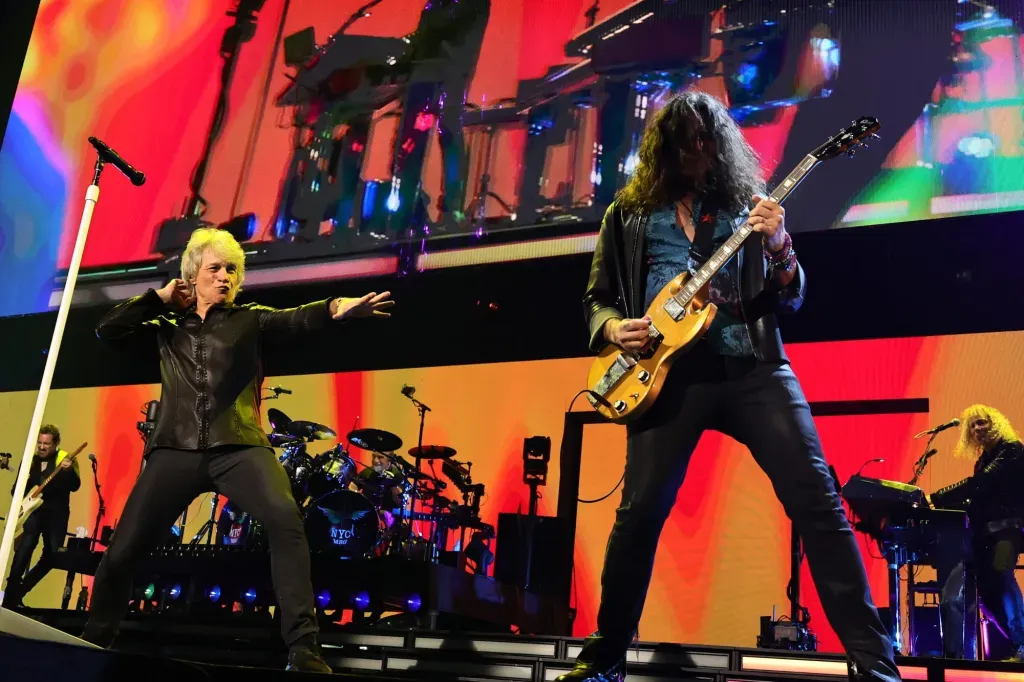
Jon Bon Jovi cut his Madison Square Garden set short Thursday, after battling a sinus infection
A 90-minute show at MSG ended early, with rescheduling promised, as the Forever Tour continues after vocal-cord surgery.
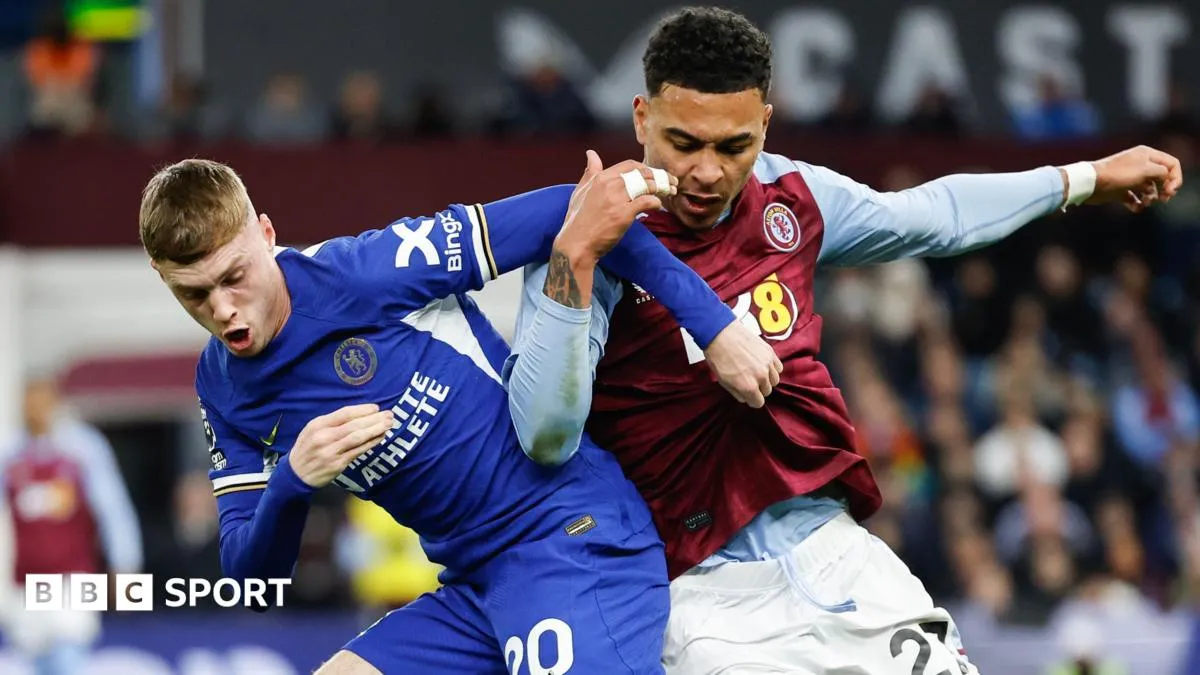
Rogers and Palmer fit Xabi Alonso's Chelsea attack perfectly, and the reasons are specific
Morgan Rogers' skill set complements Cole Palmer in Xabi Alonso's Chelsea, reshaping how they create chances together.
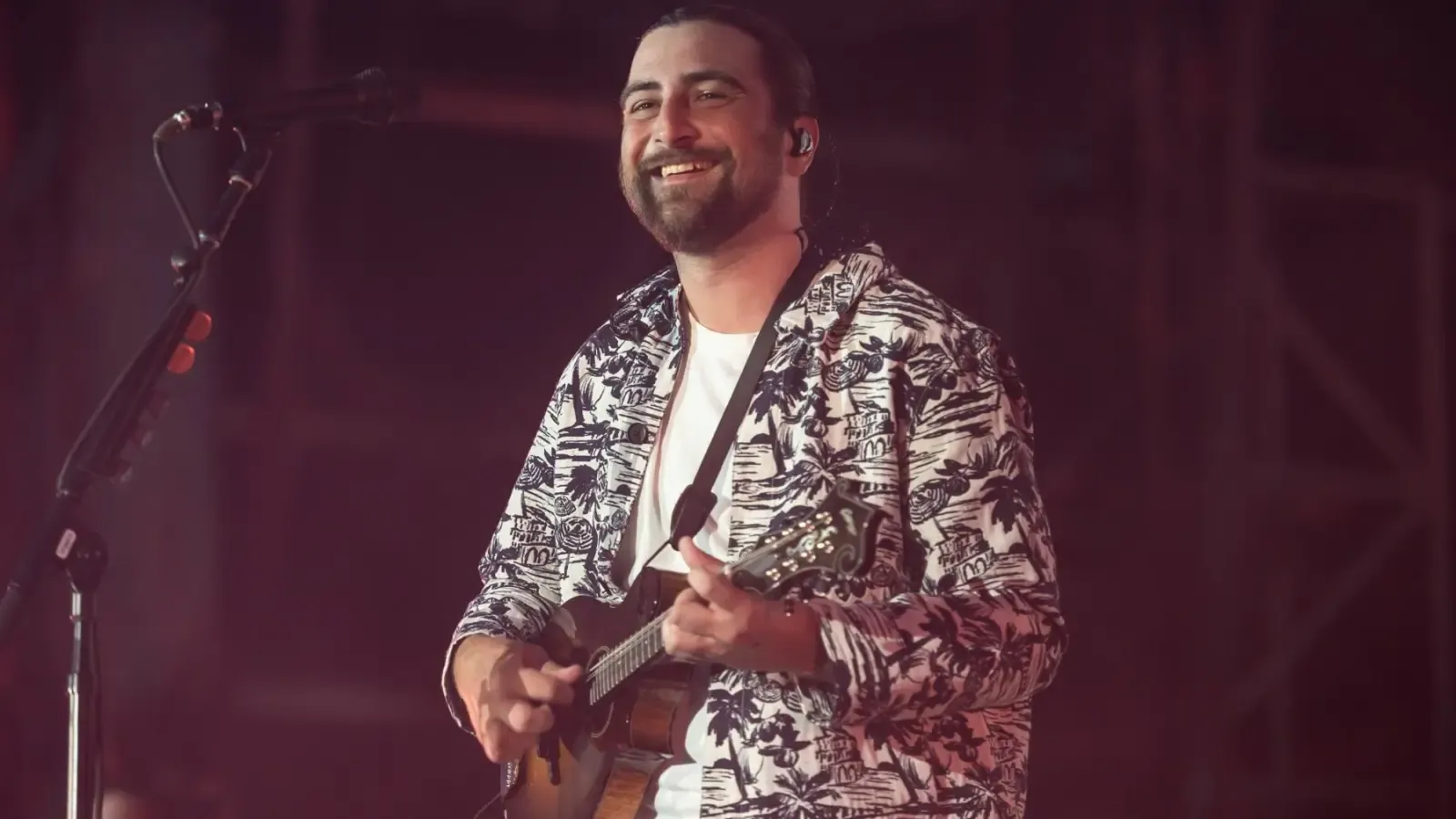
Noah Kahan pretends Congress calls to order diaper-wearing at concerts in DC stop
The stunt mixes absurd “regulatory” theater with real lessons about public trust and fan safety optics.