

Trump officials hold back $1 billion Medicaid funds from CA and Minnesota over fraud
A federal Medicaid funding freeze raises compliance, cash-flow, and legal-risk questions for states running public health insurance.
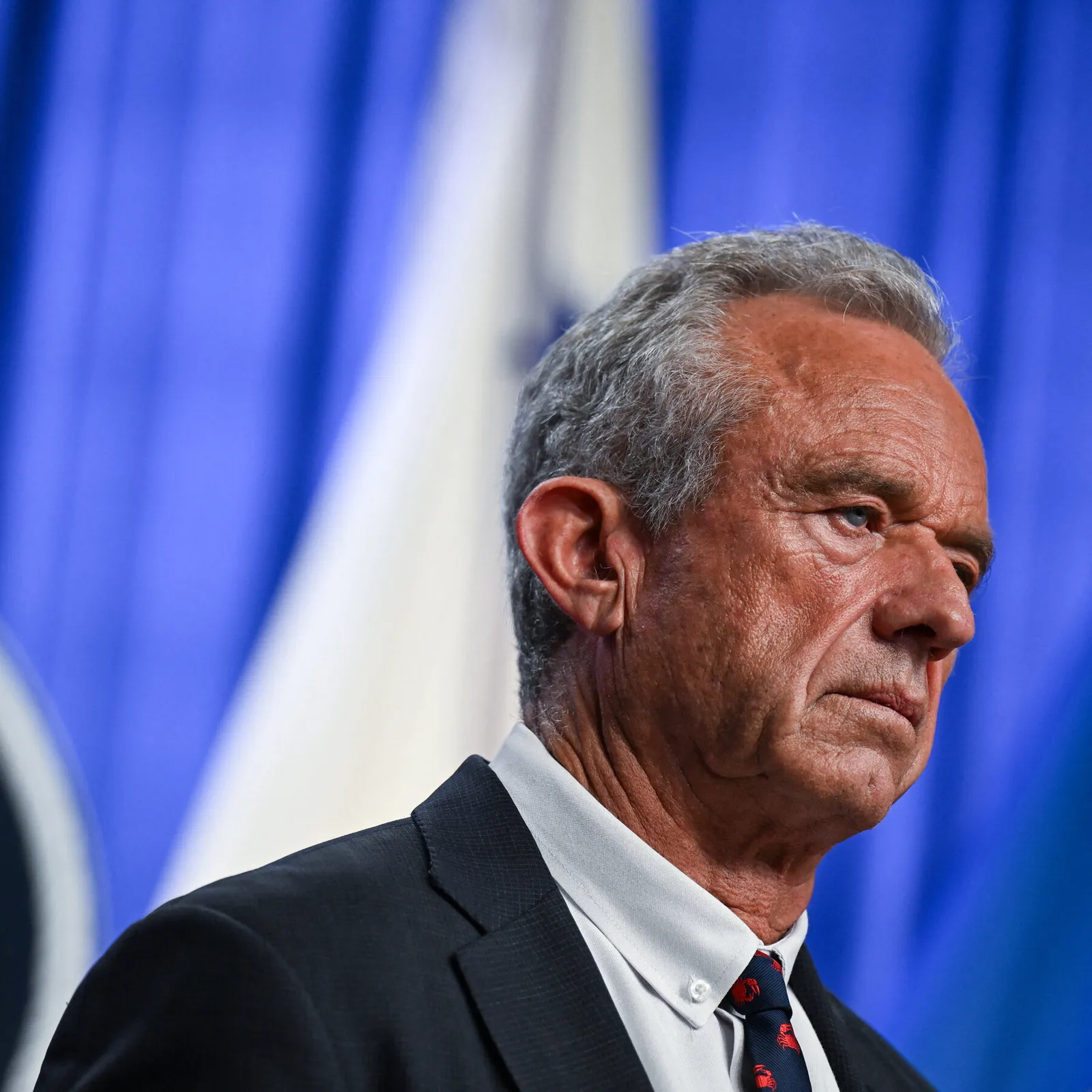
Trump officials are withholding $1 billion in Medicaid funds from California and Minnesota due to suspected fraud in their public health insurance programs. The move forces state and federal decision-makers to accelerate audits, tighten oversight, and manage near-term funding and litigation risk.
Trump officials are withholding $1 billion in Medicaid funds from California and Minnesota over suspected fraud, according to the report. The administration is accusing both states of fraudulent activity in their public health insurance programs, turning a budget item into a compliance flashpoint.
For executives and board-level leaders, the key point is the timing: when Medicaid dollars are paused or redirected, state agencies do not simply “wait and see.” Medicaid is a backbone payer for millions of people, and federal reimbursement is not optional. A federal funding hold like this can quickly translate into operational strain, emergency plan revisions, and accelerated legal and audit workflows.
To understand why this matters, it helps to remember how Medicaid is built. Medicaid is jointly financed, meaning states run the programs but the federal government provides substantial funding through reimbursement. That shared structure creates a constant incentive tension. States want to deliver coverage at scale and keep costs under control. The federal government wants assurance that claims are accurate and that program integrity rules are being followed. When the federal government suspects fraud, it can use its leverage over payments to force states to prove compliance.
Fraud allegations in public health programs have a special texture. They are rarely about one simple mistake. Suspected fraud can involve billing patterns, eligibility checks, provider documentation, coding practices, or administrative processes that make claims look legitimate while the underlying facts do not match what was reported. Even when a state disputes the allegations, the suspicion alone can trigger heavy scrutiny and more restrictive payment behavior, because the federal government has to protect taxpayer money.
California and Minnesota are not tiny programs. California runs one of the largest Medicaid systems in the country, and Minnesota has also long been a meaningful player in public health coverage. That scale is part of what makes a $1 billion figure so consequential. Large programs typically mean large administrative footprints, diverse provider networks, and more opportunities for processes to drift. In that environment, executives often rely on robust internal controls, continuous monitoring, and clear documentation trails. A federal hold pressures those systems immediately.
There is also a political and administrative subtext executives cannot ignore. Medicaid funding decisions do not happen in a vacuum. They reflect broader priorities about program integrity and oversight, and they can set the tone for how the administration will engage with state implementation going forward. For state leadership, that can mean faster escalation pathways, more formal reporting requirements, and a higher chance that future audits will be less forgiving.
The second-order implications reach beyond the state agency and into the ecosystem. Vendors that support eligibility processing, claims systems, compliance tooling, or provider management may be asked to tighten controls or produce documentation quickly. Health plans and managed care participants can face downstream scrutiny if claims validation and reporting workflows are challenged. Boards overseeing state-related health entities typically focus on governance and risk management, and a funding hold is a governance event, not just an operational one.
At the same time, decision-makers in other states should treat this as a signal, not a one-off. Medicaid program integrity enforcement has ripple effects, because it can influence how peers prepare for federal reviews and how quickly they can respond to allegations. The strategic takeaway is simple: when federal officials accuse states of fraudulent activity and move to withhold funds, the pressure shifts from policy debate to evidence. The sooner leadership can align documentation, audits, and corrective actions, the less likely they are to absorb extended funding disruption.
This story's Key Insights and Take-aways are locked.
Create a free account to unlock Executive Actions for one credit.
Register to UnlockAlways free for Executives Club members. Join the Club
More in Politics
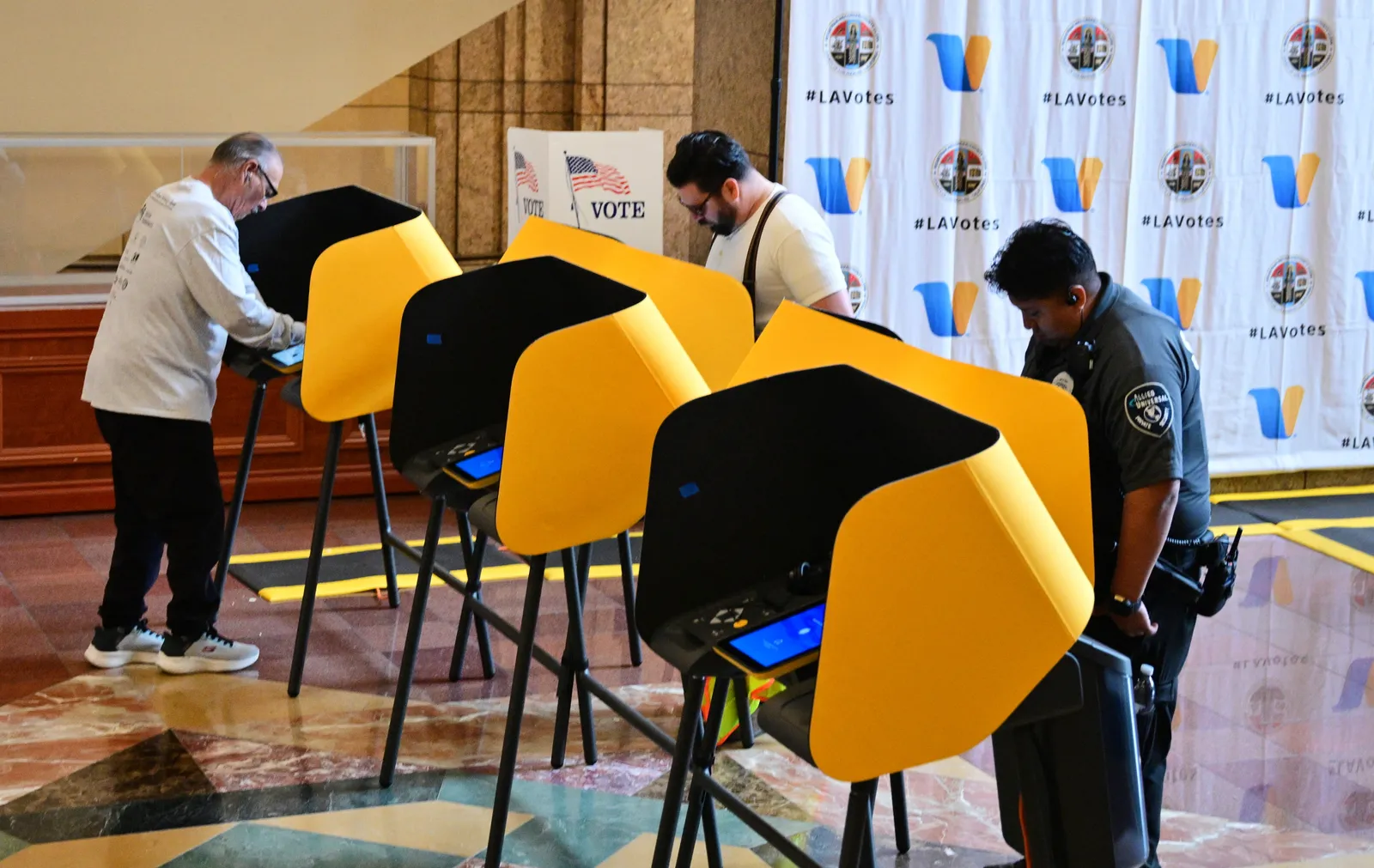
LA County: DOJ's 20,000 'noncitizen' voter list is 'unreliable,' includes U.S.-born
Preliminary review by Los Angeles County election officials finds errors in the federal list, raising the stakes for voter roll integrity ahead of November.
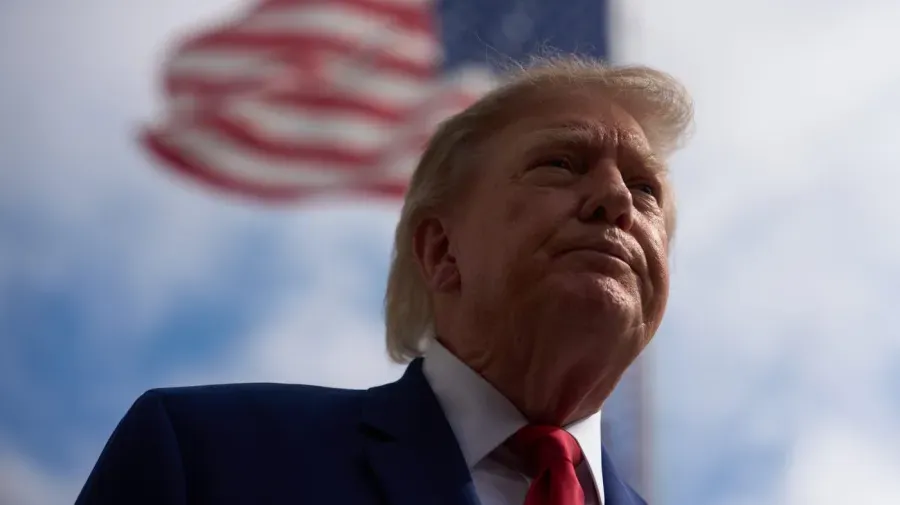
Trump's $1.5B Pentagon chip investment lands in North Carolina
A $1.5 billion defense infusion for North Carolina chipmaking signals a new era of Pentagon-backed reshoring - here's what it means for the industry.

Nigeria confirms first Ebola case in Abuja, a woman just off a Uganda flight
Health Minister Muhammad Ali Pate says the patient flew in from Uganda, putting Africa's latest outbreak on Nigeria's doorstep.