
Trump rallies drown out doubts as MAGA turns D.C. semiquincentennial into a “Trump show”
Even as artists pull back, approval worries and economic anxieties get overridden by spectacle, faith, and turnout.
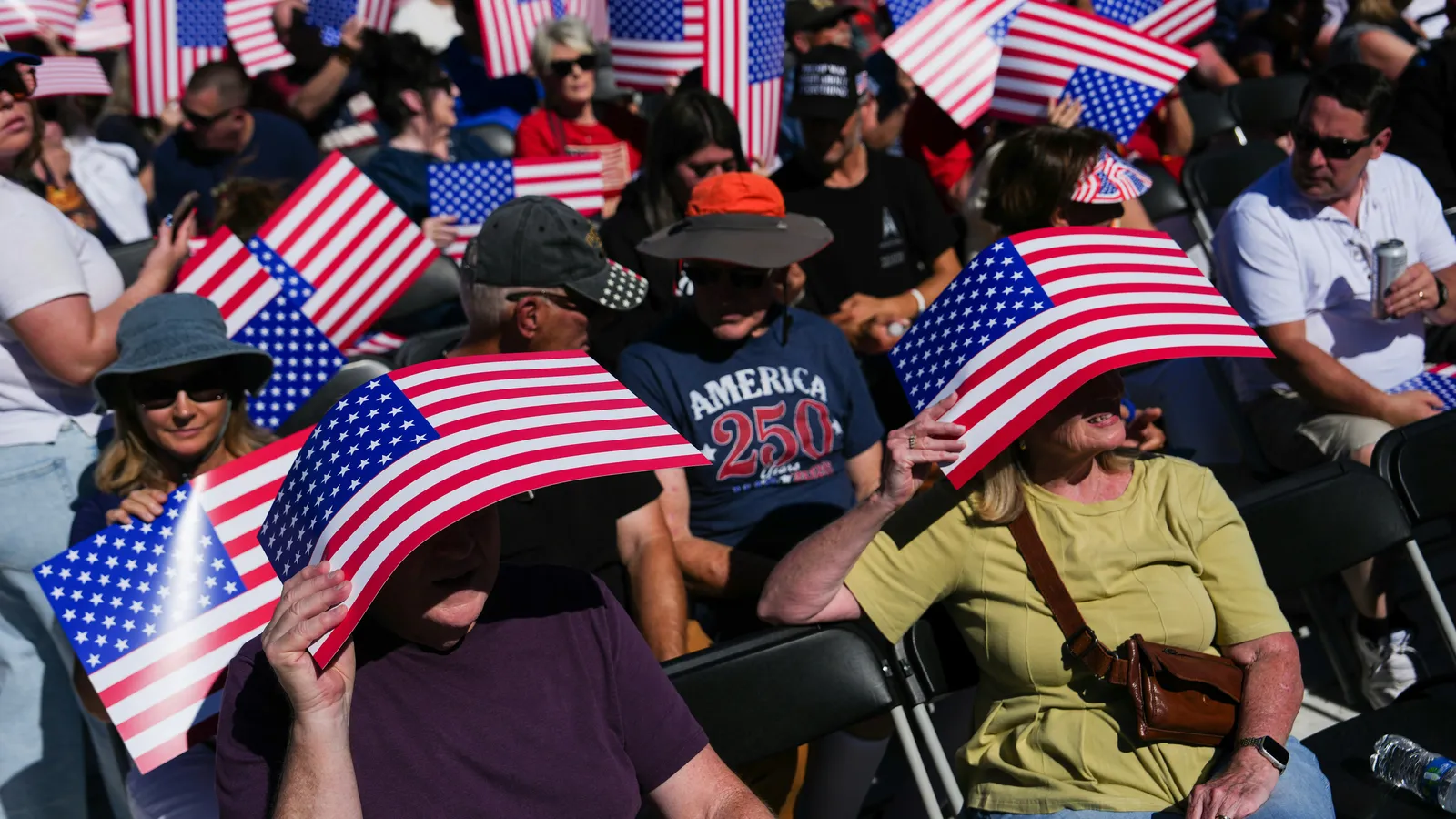
In Washington, D.C., President Trump heads the grand opening of America’s 250th-birthday celebration while a fenced-off MAGA crowd treats it like a rally. The event tests how political legitimacy, cultural messaging, and public performance shape support despite falling approval and economic pressure.
For one night in deep-blue Washington, D.C., a fenced-off section of the National Mall became an oasis for members of the MAGA base. They showed up draped in flags, in red-white-and-blue headbands, even wearing dangly blue “AMERICA” earrings. The setting was the grand opening of America’s 250th-birthday celebration, meant to kick off two weeks of commemoration. But the mood, the music, and the message landed like a Trump rally, with a montage of hits his most die-hard fans already know and love.
That matters because the source is explicit about what should have cooled enthusiasm. Doubts about anything Trump-related, including “abysmal approval ratings,” inflation accelerated by the war he started in Iran, and clashes with Republican senators earlier in the day, were present. Yet for an evening they were “drowned out” by the roar of fighter jets overhead and the certainty on display from the people standing close enough to feel the volume in their ribs. The president declared that America is “the hottest country anywhere in the world” and rattled off ways his administration continues to “Make America Great Again,” ending with “The best is yet to come!” The crowd agreed, because in moments like this, logic competes with identity and spectacle.
The plot line here is not simply politics. It is public faith under pressure, and it is also an event strategy problem. A string of artists pulled out of Washington amid concerns that the celebrations would become the Trump show. The source describes what happened next: the evening “felt like a Trump rally,” not just because of what Trump said, but because the program behaved like campaign entertainment. There was “Sweet Caroline” with the U.S. Army rock band riling up the crowd, Lee Greenwood singing “God Bless the U.S.A.,” and Alexis Wilkins performing the national anthem. Transportation Secretary Sean Duffy told the crowd the musical acts were “way better than those libtards that canceled on us,” which drew raucous cheers. If you run comms for major institutions, that single word choice is a signal. Not everyone around the president is trying to unify the country with neutral celebration. Some are trying to polarize with energy.
So what do supporters say when you confront them with uncertainty? Karen and Paul Depperschmidt, lifelong conservatives from Texas living full-time in Wilmington, North Carolina, made the six-and-a-half-hour trip up to D.C. for the Great American State Fair and the rally especially. Their trip included an RV park bonus: they shared space with international visitors here for the World Cup, meeting a family from Brazil and three Scottish tourists. Their framing is not about policy details first. It is about consistency and trust. “A lot of people don’t like it, but he is doing exactly what he said he was going to do,” Paul said.
When asked about the cost of gas, a particularly direct worry for the camper-van lifestyle, they did not deny economic strain. They argued it would normalize, saying prices at the pump are coming down. But the deeper reassurance was institutional: Paul said Trump has information that is not available to the public. “I think he’s earned our trust,” he told the reporter. “I trust he’s going to do the right thing, and he hasn’t let us down yet.” That trust logic shows up again elsewhere in the crowd. Even when people are not thrilled with every decision, they still line up behind the president as a stabilizing force.
The source also gives you the “why now” mechanics for support: what rallies do to perceived control. Suzanne Jones and Joey Ervin flew in from Chattanooga to celebrate their son’s birthday, and they spent time at the National Air and Space Museum and the Washington Monument before arriving for the festivities. Their son was excited to see the president do “the dance,” pumping his arms to the Village People’s “Y.M.C.A.” For Jones and Ervin, the election was about border security. Jones said she feels safer than she did under President Biden. Ervin called Biden’s four years “disastrous,” describing his own insecurity around the idea of a president “protecting my country” who “can’t even have a speech-that’s rough.” He is not necessarily a fan of Trump’s decision to go to war with Iran. But he prefers it to what he says happened when the U.S. withdrew from Afghanistan: “10 times out of 10.” That’s a crucial nuance for executives and boards watching political risk. Even dissenting voters can consolidate around a preferred threat posture if it feels less chaotic than the alternative.
Meanwhile, not everything is pure devotion. The Depperschmidts and the Ervins both acknowledge friction points. Ervin says their house was bought before interest rates dropped and prices skyrocketed in 2020, and they do not want to move because the market is hard and “doesn’t seem to be getting better.” Ervin also says gas prices were already high long before the Iran war, citing travel in Los Angeles in 2024 where gas was $7. In other words, economic pain exists even inside the faith. What changes is interpretation. Supporters can absorb the pain if the narrative explains it, and the event itself amplifies the narrative.
There is also a D.C. version of the story that matters for corporate leaders who deal with local governance and security operations. Jessica Greenfield and her husband, a D.C. police officer, moved to the city from Virginia in 2024. She said she’s seen a “huge difference” in crime over the past year, including clean streets and fewer carjackings and robberies, crediting in part Trump’s decision to deploy the Guard. The source notes that deployment as part of the broader Washington backdrop: the president has called up the National Guard, put his mark on local parks, and turned the city’s monumental core into a construction zone. But Greenfield also describes social cost. Her vote in 2024 put strain on relationships with more liberal friends and family members, and she is not into debate. For her, the payoff is personal: a nice street where she can walk her daughter and feel safe.
Second-order implications are everywhere in this reporting, even if it is written as a scene from a celebration. When a high-profile national event becomes a loyalty test, organizers risk turning broad civic branding into partisan signaling. That may drive attendance among believers, but it can also push away artists and participants who do not want their work attached to a single political brand. It also reinforces a feedback loop where governing and performing blend: a show that includes fighter jets overhead, blockbuster patriotic songs, and direct insults from a Cabinet member can intensify the perception that power is being exercised, not just discussed.
For executives, the strategic takeaway is simple: when legitimacy declines (the source points to falling approval ratings) and the economy feels unpredictable (the source references inflation and gas costs), turnout and messaging often pivot to identity and spectacle. If you run communications, sponsorship, or major-event strategy, you cannot treat politics as a separate department from culture. This night in D.C. shows how quickly a commemoration can become a rally, and how that shift changes who shows up, who opts out, and what “support” looks like when people decide that the most logical move is to place faith in the president despite the doubts they name out loud.
This story's Key Insights and Take-aways are locked.
Create a free account to unlock Executive Actions for one credit.
Register to UnlockAlways free for Executives Club members. Join the Club
More in Politics
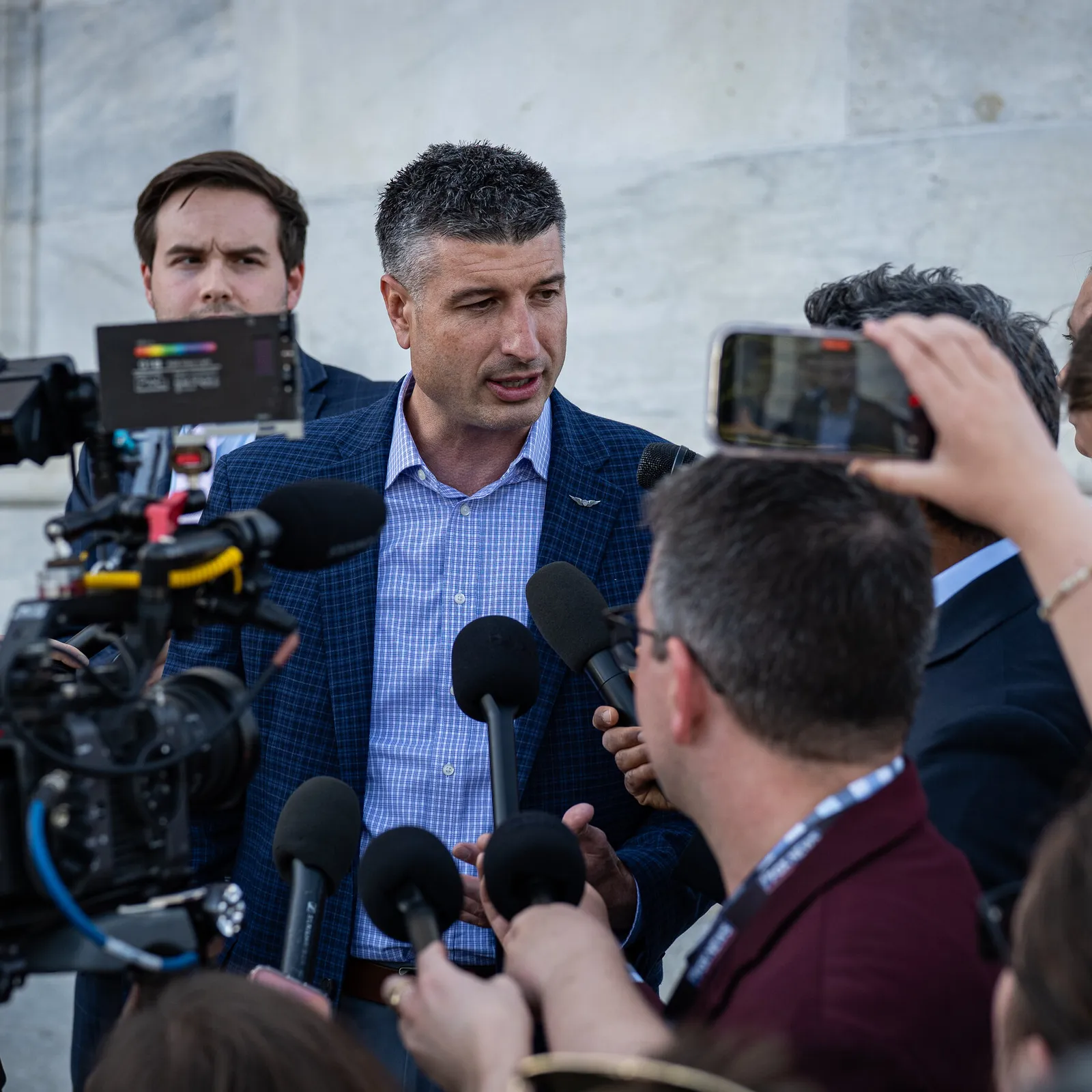
House again forces Iran war powers vote after Republicans join Democrats a second time
Second rebuke repeats the same pattern: a cross-party bloc demands authorization, raising new friction for the president.
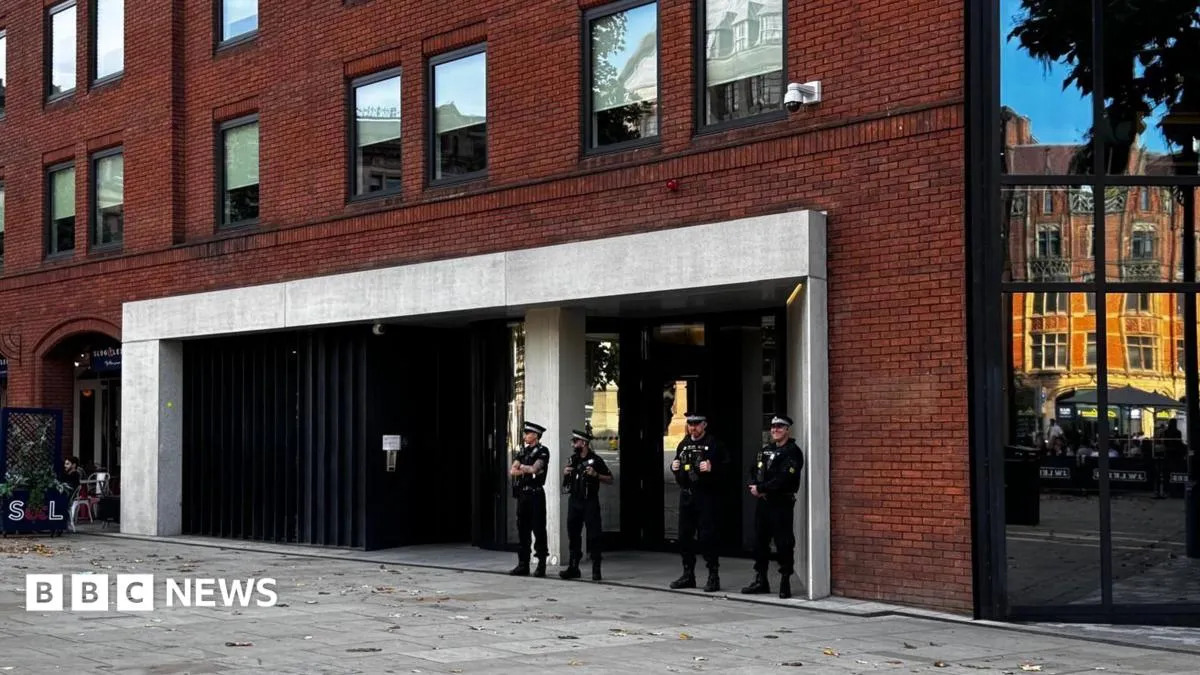
No 10 North blueprint targets up to 300 staff in 18 months
A think tank plan sketches a sizable No 10 workforce timeline, forcing ministers to confront staffing, cost, and control fast.
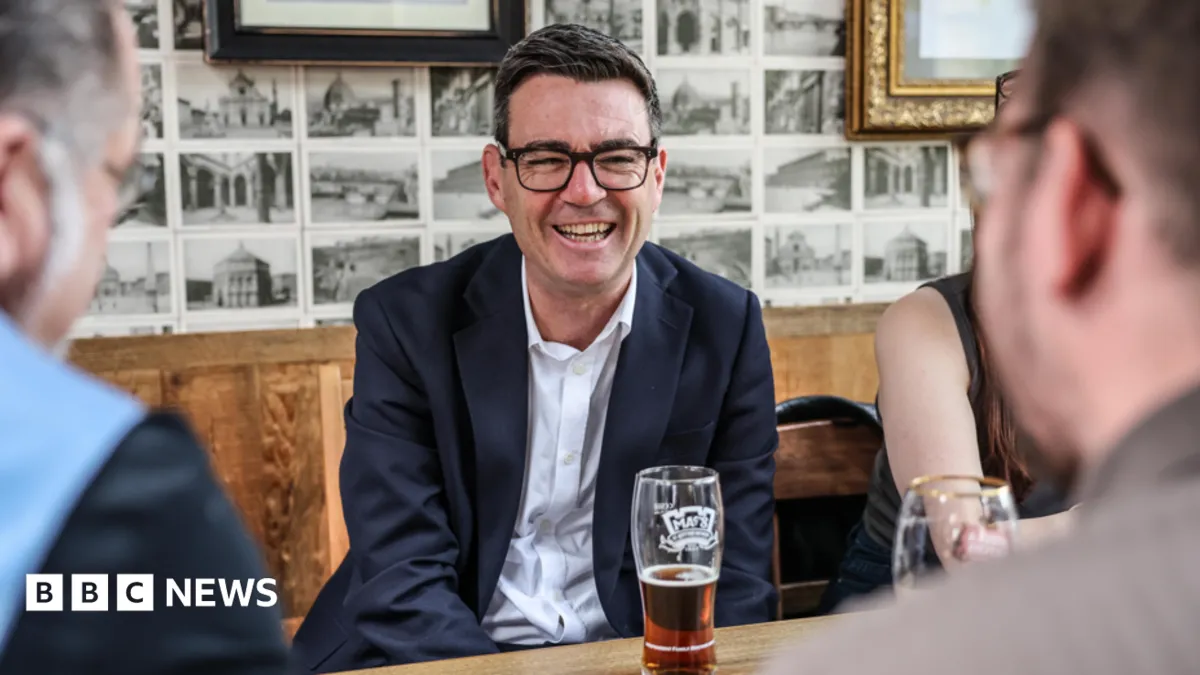
Burnham backs 20% cut to English pub business rates, not hotels or restaurants
From next April, some hospitality firms get a discount but hotels and restaurants are left out of the 20% break.