

Trump retreats on Hormuz tolls, signaling trouble ending the Iran war
The reversal adds another twist to a conflict now past four months, with real implications for policy and markets.
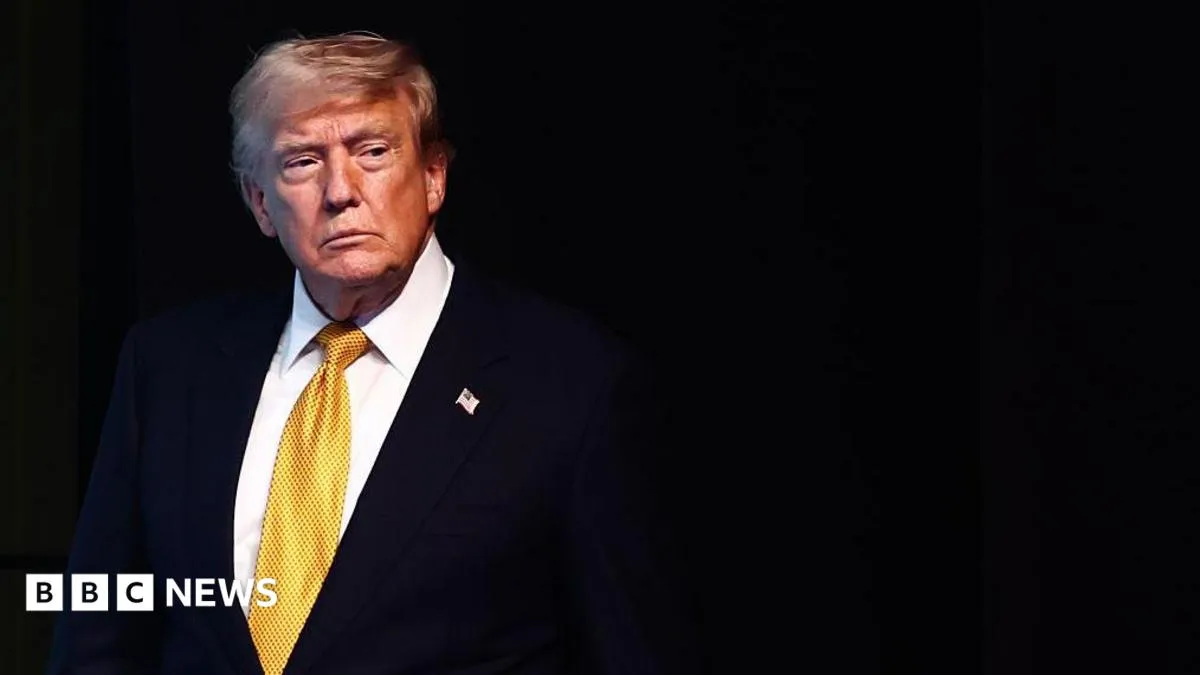
The BBC reports that US President Trump made an abrupt about-face on Hormuz tolls, reversing course in the latest turn of a conflict now lasting more than four months. Decision-makers should treat this as a signal of difficulty winding down the Iran war, not a clean step toward de-escalation.
The BBC reports that US President Trump abruptly retreated over Hormuz tolls, in what the story frames as evidence he is struggling to end the Iran war. This about-face is not a small scheduling change or a messaging tweak. In a conflict that has now lasted more than four months, any reversal on a maritime choke point like the Strait of Hormuz can quickly reshape expectations for escalation or de-escalation.
Why does a “tolls” decision matter so much? Because the Strait of Hormuz is not just geography, it is plumbing for global energy flows. When a US president signals a new cost, a new control mechanism, or a new policy line for shipping through the area, markets and militaries translate that into risk. The BBC highlights that Trump’s retreat is the latest twist in a conflict that has lasted more than four months, which means the uncertainty is no longer “temporary volatility.” It is the operating environment. If policy can flip abruptly, counterparties start planning for the worst-case scenario, not the most optimistic briefing.
For executives watching from boardrooms, this kind of reversal creates a specific kind of second-order effect: it stresses scenario planning and contractual assumptions. Energy pricing, shipping insurance, freight schedules, and compliance processes all depend on what leaders say they will do next. A sudden about-face on Hormuz tolls forces finance teams and risk committees to revisit exposure models and trigger reviews of contingency plans. Even if the immediate change is only “tolls” and not kinetic actions, the logic is the same. Chokepoints are where policy turns into price and policy turns into physical risk.
There is also the political and regulatory layer. Decisions tied to sanctions, maritime regulation, and trade controls do not sit in a vacuum. They typically involve multiple channels across the US government, including legal and operational constraints, interagency coordination, and diplomatic follow-through. When a president retreats abruptly, the practical question for businesses becomes: was the original move ready to be implemented, or was it premature in a fast-moving negotiation? The BBC framing, “suggests he is struggling to end Iran war,” implies the reversal is not only about optics. It hints at friction between intent and what is achievable.
That friction matters for decision-makers because it changes how leaders are interpreted by the market. In calm periods, leaders can signal gradually and markets calibrate slowly. But in conflicts lasting more than four months, and with each new turn adding to uncertainty, credibility becomes a key asset. If de-escalation steps are followed by retreats, stakeholders begin to discount future promises until implementation catches up. That can raise the risk premium across sectors tied to energy and global trade, because the cost of being wrong rises.
Executives should also think about what this does to the “policy bandwidth” inside their own organizations. Companies with international supply chains often maintain compliance playbooks for sanctions and shipping rules. A sudden US policy shift can force rapid interpretation work: what changed, who must comply, from when, and how will enforcement look? Even without specific new dates or figures in the BBC excerpt, the fact pattern here is enough to justify heightened readiness, because it signals instability rather than certainty.
Finally, there is the strategic stake. If Trump’s about-face over Hormuz tolls indicates difficulty ending the Iran war, then peers in logistics, energy, insurance, and trade finance should assume the conflict may remain dynamic. For boards, the question is not only “what happens next,” it is “how do we protect performance under policy whiplash.” In other words, how do you keep cash flows resilient, underwriting disciplined, and compliance friction low when the policy line can shift abruptly at the top.
This story's Key Insights and Take-aways are locked.
Create a free account to unlock Executive Actions for one credit.
Register to UnlockAlways free for Executives Club members. Join the Club
More in Politics
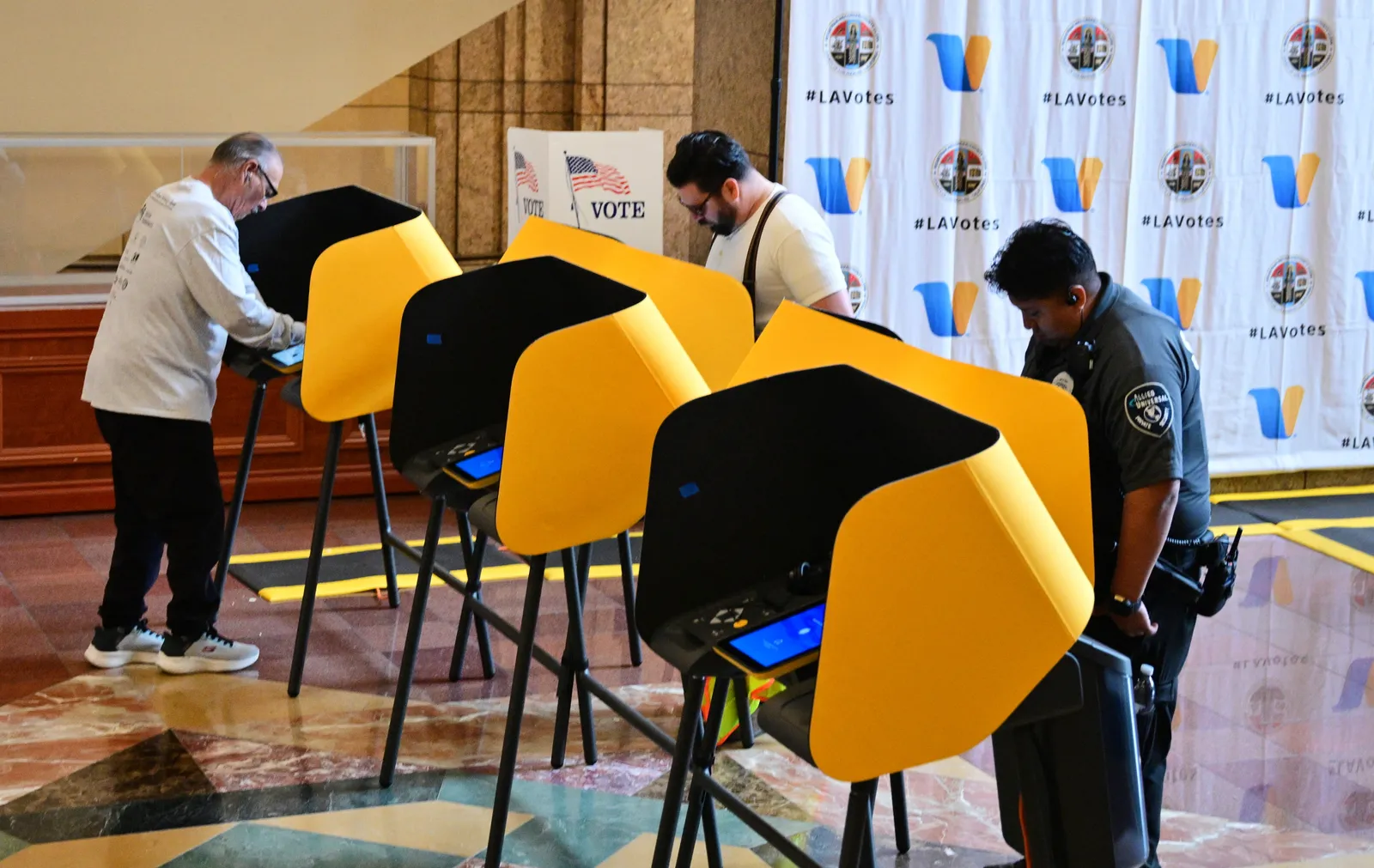
LA County: DOJ's 20,000 'noncitizen' voter list is 'unreliable,' includes U.S.-born
Preliminary review by Los Angeles County election officials finds errors in the federal list, raising the stakes for voter roll integrity ahead of November.
Trump's $1.5B Pentagon chip investment lands in North Carolina
A $1.5 billion defense infusion for North Carolina chipmaking signals a new era of Pentagon-backed reshoring - here's what it means for the industry.

Nigeria confirms first Ebola case in Abuja, a woman just off a Uganda flight
Health Minister Muhammad Ali Pate says the patient flew in from Uganda, putting Africa's latest outbreak on Nigeria's doorstep.