

Trump says Giant Eagle will cut prices on 300+ items this summer
A presidential price push targets affordability, with second-order implications for retail pricing strategy and oversight.
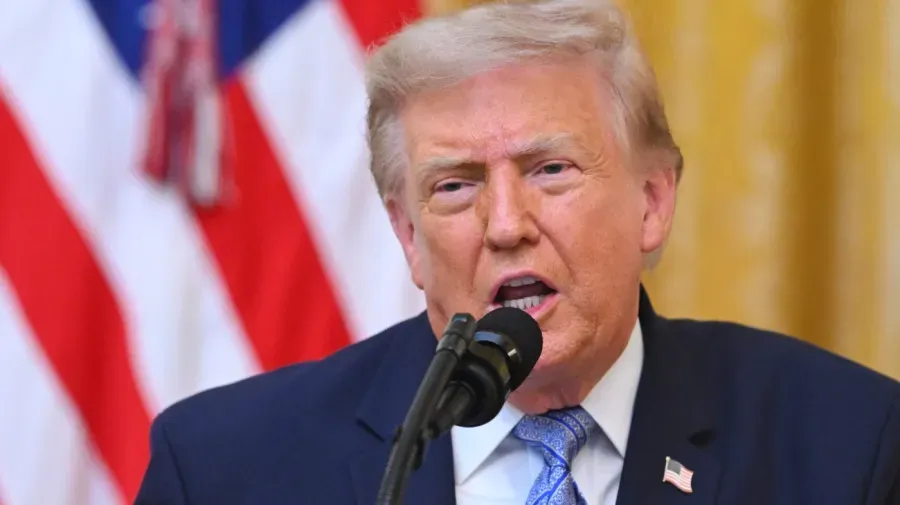
President Trump said regional grocer Giant Eagle will lower prices on “more than 300 products” this summer. The move is meant to address concerns about grocery affordability, pressuring retailers to show pricing relief.
President Trump said Sunday that Giant Eagle, a regional grocer, will lower prices “by a lot” across “more than 300 products” this summer. The announcement is framed as an affordability response, aimed at settling concerns about how expensive everyday groceries have become.
In plain terms, Trump is using the bully pulpit to make a specific promise about the price tag you see at the store: over 300 items are slated for reductions before summer is over. The political logic is straightforward, but the operational and strategic logic for retailers is where it gets real. Grocery is one of the most sensitive categories in consumer budgets. When a headline links a retailer’s in-store shelf prices to a presidential affordability goal, it turns pricing into both a market decision and a public accountability event.
That matters because grocers are already juggling high-stakes constraints that don’t disappear just because a summer promotion gets announced. Retailers live and die by margins, shrink, labor costs, and the delicate choreography of supply contracts. Price cuts can drive traffic and basket size, but they can also compress margins if they are not paired with careful sourcing, substitutions, and category-level economics. So when the announcement says Giant Eagle will do this “through Labor,” it signals that the company is tying the timing and execution to operational levers, not just a marketing discount.
There is also a regulatory and policy backdrop that makes this kind of move more than a one-off ad campaign. In the US, affordability concerns in food and essentials routinely pull in government attention, whether through scrutiny of pricing practices, consumer protection messaging, or broader policy debates about cost of living. Even when the action is voluntary, public officials often try to convert political pressure into measurable consumer outcomes. In this case, Trump’s statement sets a concrete scope, “more than 300 products,” which is the kind of detail regulators and policymakers love because it can be monitored. The specificity raises the odds that customers, media, and other retailers will look for whether the price changes show up on shelves.
For Giant Eagle specifically, the announcement is a brand moment as much as a commercial one. Being described as “a GREAT American Grocery Company” is flattering, but it also puts the company in the spotlight. If customers later feel the prices did not drop enough, or the reductions were limited to certain sizes, brands, or locations, the credibility risk rises. Conversely, if shoppers do see meaningful savings, it can create a competitive wedge against peers by making affordability visible, not just promised.
Competitive dynamics in grocery are intense because rivals can mirror promotions fast, but not all retailers can cut prices without consequences. A competitor reading this statement will think about their own shelf strategy. Do they match the number of affected items? Do they target the most common basket drivers? Do they hedge with loyalty programs instead of broad list-price cuts? The most important second-order question for boards and executives is not whether the company can technically lower prices, but whether it can do it without triggering a race to the bottom.
Then there is the leadership and communications layer. When a president makes a claim about a company’s in-store pricing, it effectively turns corporate pricing into a public deliverable with a timeline. That means internal stakeholders, from procurement to merchandising to finance, have to align around the execution window implied by “this Summer.” It also means investor communications and internal KPI dashboards will likely matter more than usual. Executives will want proof points that track both customer-facing prices and the behind-the-scenes margin impact.
For peers in retail and for decision-makers beyond grocery, the takeaway is that affordability messaging is moving from abstract policy discussion to named retailers and defined product counts. If you are a CEO, CFO, or board member at a consumer business, this is a reminder that pricing strategies can become political and reputational issues overnight, especially when costs are a top public concern. The smartest moves in moments like this are the ones that keep customers seeing real relief, keep the operational plan coherent, and keep the business model intact while the spotlight is on.
This story's Key Insights and Take-aways are locked.
Create a free account to unlock Executive Actions for one credit.
Register to UnlockAlways free for Executives Club members. Join the Club
More in Politics

LA County: DOJ's 20,000 'noncitizen' voter list is 'unreliable,' includes U.S.-born
Preliminary review by Los Angeles County election officials finds errors in the federal list, raising the stakes for voter roll integrity ahead of November.

Trump's $1.5B Pentagon chip investment lands in North Carolina
A $1.5 billion defense infusion for North Carolina chipmaking signals a new era of Pentagon-backed reshoring - here's what it means for the industry.

Nigeria confirms first Ebola case in Abuja, a woman just off a Uganda flight
Health Minister Muhammad Ali Pate says the patient flew in from Uganda, putting Africa's latest outbreak on Nigeria's doorstep.