

Trump slaps 50% tariffs on most Canadian goods, citing unfair auto, alcohol, dairy rules
The 50% jump moves fast, and it immediately raises costs, leverage, and negotiating stakes for companies trading across the border.
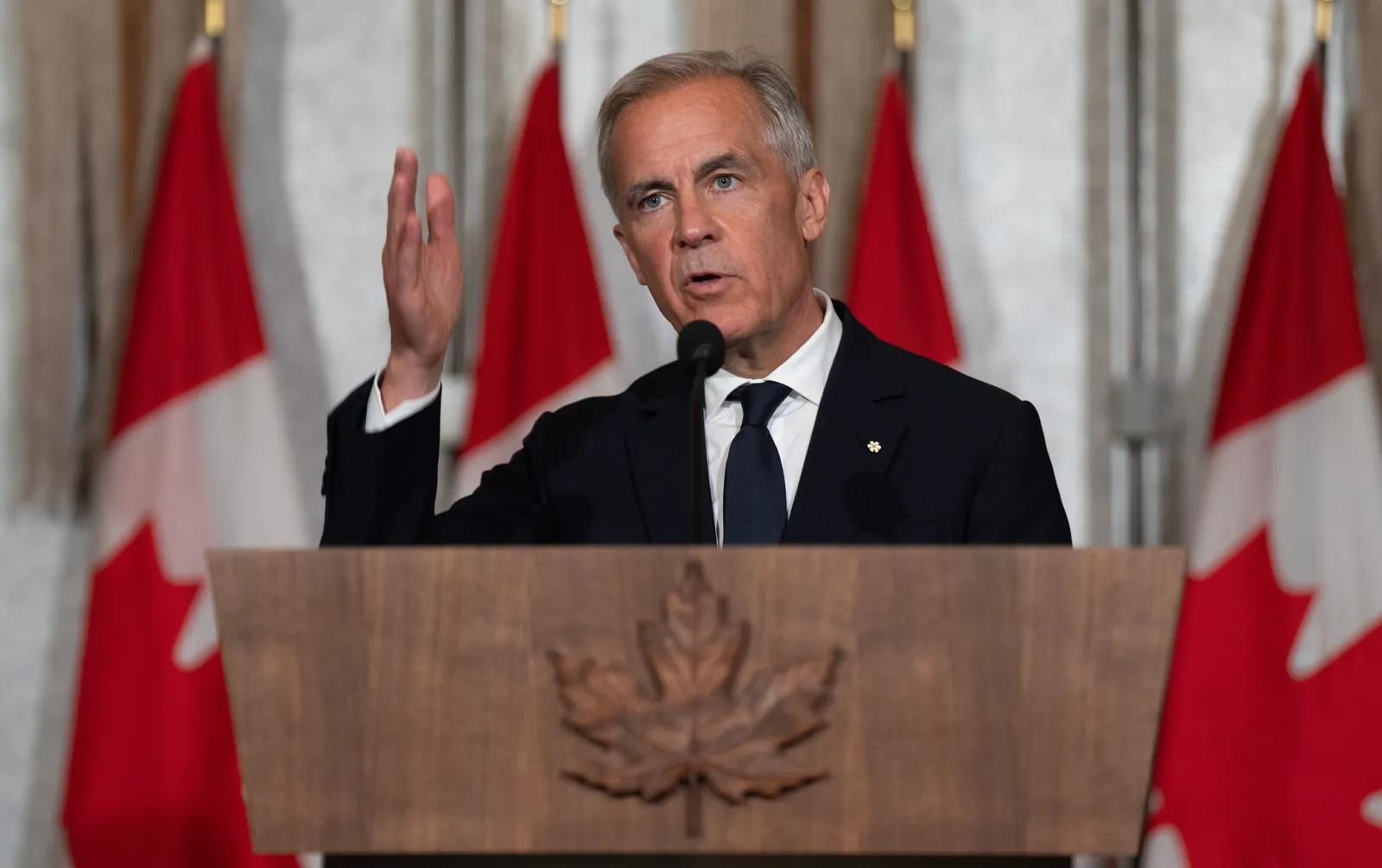
President Donald Trump imposed 50% tariffs on most Canadian goods, Monday, saying Canada discriminated against American autos, alcohol, and dairy products. The move forces decision-makers to re-check supply chains, pricing assumptions, and how quickly retaliation or renegotiation could reshape costs.
President Donald Trump imposed 50% tariffs on most Canadian goods on Monday, declaring that Canada has unfairly discriminated against American autos, alcohol, and dairy products. That is a blunt, high-percentage tariff shock, not a slow policy tune-up. The message is also clear: this is less about a narrow product dispute and more about using trade barriers as leverage in a broader policy fight.
For executives and boards, the immediate takeaway is that tariffs at this level can hit multiple parts of the P&L at once. Even when a company thinks it is insulated because it buys “parts” instead of “final goods,” tariffs often work their way into component costs, logistics plans, and contract renegotiations. And because the stated target set includes autos, alcohol, and dairy, the likely pressure points include producers and suppliers in those categories, plus downstream businesses that rely on cross-border inputs.
To understand why this matters so quickly, it helps to remember how tariffs behave in real supply chains. A tariff is a tax on imports, so the party importing the goods is usually the one paying it at the border. In practice, that cost can be absorbed for a short time, passed through to customers, or split between buyer and seller through pricing changes. None of those options are painless. Absorbing hurts margins. Passing through can reduce demand. Splitting can trigger contract disputes. The bigger the tariff, the less room firms have to “smooth” the impact without visible strain.
The policy framing also signals how negotiations might unfold. Trump’s stated justification is that Canada has unfairly discriminated against American autos, alcohol, and dairy products. That framing matters because it tells companies and counterparties what they should expect from the next phase: a bargaining process grounded in grievance and “fairness” claims, rather than a purely technical adjustment. If the argument is discrimination, then the resolution is likely to depend on changes to trade treatment across those product categories, not only on a minor tariff schedule tweak.
There is also a political and regulatory reality behind the scenes. Trade actions like tariffs tend to move through a combination of legal authority, executive decision-making, and administrative implementation steps. Once they are imposed, the market begins planning immediately, even before the fine print fully reaches every warehouse and invoice. That is why corporate finance teams pay attention to the calendar. When a policy is announced and implemented quickly, working capital requirements can change fast. If customs costs and landed costs rise, inventory planning, purchasing cadence, and cash conversion cycles can all shift. CFOs who wait for clarity may be forced into reactive decisions.
The second-order effect for boards is the risk of contagion. A tariff aimed at “most Canadian goods” can affect far more industries than the headline categories. “Most” implies breadth, and breadth means that even companies without direct Canadian sourcing might face indirect costs. For example, a firm may not import from Canada itself, but it may compete against firms that do, or it may rely on inputs that are traded through Canadian supply routes. In competitive markets, cost differences can become strategy differences overnight.
It also raises the question of retaliation and counter-leverage. While the source does not specify retaliation measures, tariff escalation typically creates pressure for reciprocal action. When the stated grievance includes specific sectors like autos, alcohol, and dairy, retaliatory politics can also be sector-focused. Executives should assume their counterparties will reprice and redesign quickly, because in trade disputes, speed is leverage.
Strategically, the stakes extend beyond the immediate tariff line item. For companies that trade across the U.S.-Canada relationship, tariffs are not just a cost. They are a signal about how stable the trade environment is. That influences whether firms invest in capacity, where they build suppliers, and how they structure long-term agreements. If tariffs become part of the negotiating toolkit, boards will want to treat trade policy like a standing risk factor, not a rare event. In a world where 50% tariffs can arrive in an instant, resilience is not a buzzword. It is the difference between planning and scrambling.
This story's Key Insights and Take-aways are locked.
Create a free account to unlock Executive Actions for one credit.
Register to UnlockAlways free for Executives Club members. Join the Club
More in Politics

LA County: DOJ's 20,000 'noncitizen' voter list is 'unreliable,' includes U.S.-born
Preliminary review by Los Angeles County election officials finds errors in the federal list, raising the stakes for voter roll integrity ahead of November.

Trump's $1.5B Pentagon chip investment lands in North Carolina
A $1.5 billion defense infusion for North Carolina chipmaking signals a new era of Pentagon-backed reshoring - here's what it means for the industry.

Nigeria confirms first Ebola case in Abuja, a woman just off a Uganda flight
Health Minister Muhammad Ali Pate says the patient flew in from Uganda, putting Africa's latest outbreak on Nigeria's doorstep.