
Trump topped $1B from crypto sales while governments rewrote policy around them
Cryptocurrency lobbyists helped turn digital finance into a political force, shifting how regulators and politicians frame risk.
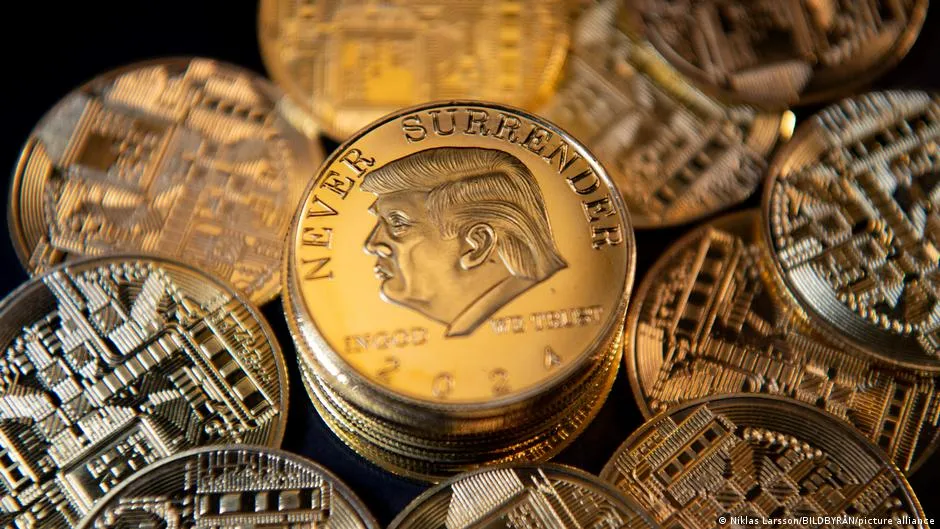
Donald Trump made over $1 billion from cryptocurrency sales last year, despite previously dismissing crypto. That money and the broader crypto lobbying push are influencing policy and politicians worldwide, with real consequences for how governments regulate markets.
Donald Trump made over $1 billion from cryptocurrency sales last year. And that single fact matters because it flips a narrative many people in politics and markets carried earlier: that crypto was mostly hype, mostly noise, and not worth serious attention.
The twist is that once a dismissive stance meets a large personal outcome, crypto stops being theoretical. According to Deutsche Welle, digital currencies and their lobbyists are now having an effect on policy and politicians around the world. In other words, crypto is not just a market category. It is a political input, and it is showing up in regulation decisions that can steer capital, compliance costs, and enforcement priorities.
To understand why that is so disruptive, zoom out to how global politics usually handles new financial tech. Governments tend to regulate after markets have already formed, when the question is no longer “Is this real?” but “Who will be harmed if this goes wrong?” Crypto creates a moving target because it sits at the intersection of finance, technology, and cross-border activity. That means regulators can disagree not only on how to measure risk, but also on which agency owns the problem: financial regulators, central banks, tax authorities, or security and consumer protection bodies.
Now layer in lobbying. When Deutsche Welle frames “the digital currencies, and their lobbyists” as shaping policy, it points to a practical mechanism: organizations with resources can push definitions, timelines, and enforcement strategies. In financial regulation, the wording matters. A policy that treats crypto like a commodity produces one compliance path. A policy that treats it like a security produces another. A policy that focuses on licensing and exchange oversight creates a different map of who gets to operate and how quickly. Even without changing the end goal publicly, changing the regulatory lane can determine which firms grow and which shrink.
The Trump factor is important here not because it proves a universal rule, but because it highlights incentives. When a high-profile political figure benefits financially from a market he previously dismissed, it sends a signal to other actors in the system. Politicians, party strategists, and policy staff take note of what has momentum. Market participants take note of what becomes politically survivable. And corporate decision-makers notice that regulatory risk can behave more like political risk than purely technical risk.
There is also a second-order implication that boardrooms should not ignore. If policy and politicians are influenced by crypto lobbying, then corporate exposure becomes more than “what does the token price do?” It becomes, “what does the political calendar do?” Enforcement intensity, licensing requirements, disclosure obligations, and tax reporting norms can change as officials respond to pressure from stakeholders with different interests. Even if a company never touches a blockchain directly, it may still feel the effect through payment rails, banking relationships, fundraising channels, or client expectations.
For executives and investors, this creates a strategic stakes problem. Crypto is still a volatile asset space, but the headline point from Deutsche Welle is that it is now embedded in governance. That means policy outcomes can move faster than consensus and can be shaped by lobbying alongside market developments. Companies that plan only for market volatility may be caught off guard by regulatory volatility.
If you run an organization that touches payments, fintech infrastructure, or capital markets, the practical question is how to govern your exposure when rules can shift under political pressure. And if you are on a board, you should treat crypto-related policy influence as a material risk factor, not a niche issue. The world is watching not just prices, but the policy pathways those prices help unlock.
This story's Key Insights and Take-aways are locked.
Create a free account to unlock Executive Actions for one credit.
Register to UnlockAlways free for Executives Club members. Join the Club
More in Politics

Glacial collapse, not rain, killed 180 in Nepal's Himalayan flood
The Himalaya's extreme geography hid the true cause of Nepal's catastrophic flood, a glacial collapse that turned a geological battleground into a mass-casualty zone.

Iran’s Esmail Baghaei says Oman talks start shipping via Hormuz, not US talks yet
Temporary route plans with Oman aim to restart commerce while Tehran says Washington dialogue is not on the table.

Standards watchdog opens probe into Reform UK deputy leader Richard Tice over interests
The parliamentary standards commissioner says it began an investigation on 28 July into a possible undeclared interest.