

Tupac's 1996 murder finally has a guilty verdict: Keffe D
A Las Vegas jury convicted Duane 'Keffe D' Davis of first-degree murder, closing a 30-year cold case and reshaping the legal risk for aging gang figures.
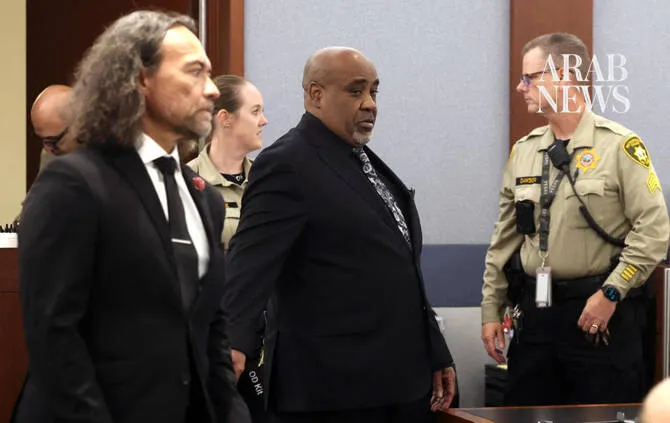
Duane 'Keffe D' Davis, a former Los Angeles gang member, was found guilty by a Las Vegas jury of the 1996 first-degree murder of rapper Tupac Shakur. The verdict, delivered after just hours of deliberation, signals that decades-old cases can still produce accountability and raises the stakes for anyone who has publicly discussed past crimes.
LAS VEGAS - Thirty years after Tupac Shakur was gunned down on the Strip, a jury finally delivered a verdict: guilty. Duane 'Keffe D' Davis, 63, a former Los Angeles gang member, was convicted Monday of first-degree murder with use of a deadly weapon in the 1996 killing of the chart-topping rapper. The foreperson's announcement came after just a few hours of deliberation, closing a case that had haunted hip-hop and law enforcement for three decades. For Davis, the conviction transforms a life spent on the margins of fame and infamy into a landmark moment in criminal justice history: the first murder conviction ever secured in Shakur's death.
The verdict lands with unusual force because of how the case was built. Davis was not arrested until 2023, nearly 27 years after the drive-by shooting that killed Shakur and wounded Death Row Records chief Marion 'Suge' Knight. Prosecutors leaned on Davis's own public statements, including a 2018 memoir and interviews in which he described his role in the events, to pierce the silence that had protected the participants for decades. The jury's quick decision suggests those admissions were decisive. For executives and operators watching from the outside, the lesson is blunt: in the age of podcasts, memoirs, and true-crime content, words spoken for fame or money can become evidence in a courtroom.
The case also illustrates how cold cases are being rewarmed by a combination of new investigative tools and old-fashioned pressure. Las Vegas police reopened the Shakur investigation in 2018, and Davis's own storytelling gave them a roadmap. He had long positioned himself as a witness, not a shooter, but prosecutors argued that his role as the orchestrator of the retaliation against Shakur made him liable for murder. The jury agreed. For legal observers, the conviction is a reminder that criminal liability does not expire, and that statutes of limitations do not apply to murder. Anyone who has publicly discussed past involvement in violence now faces a different risk calculus than they did a decade ago.
The cultural stakes are just as significant. Tupac Shakur was not merely a rapper; he was a defining voice of 1990s hip-hop, with albums that sold tens of millions of copies and a persona that blended activism, vulnerability, and menace. His death, at age 25, became one of the most enduring mysteries in American music, fueling documentaries, films, and endless speculation. The guilty verdict does not erase the conspiracy theories, but it does shift the official record: a court of law has now determined who was responsible. For media companies and creators who have built content around the case, the conviction provides a definitive narrative anchor, even as questions about the shooter and the full chain of command remain unresolved.
For the business world, the case carries a quieter but real message about the value of silence. Davis's conviction stems in large part from his own decision to speak. He wrote a book, gave interviews, and even met with investigators, apparently believing that his version of events would protect him. Instead, his words became the prosecution's strongest tool. Executives in any industry should recognize the pattern: when a person with knowledge of past misconduct seeks attention or profit by telling their story, they may be handing adversaries the evidence they need. The legal principle is not new, but the modern media environment has made it far easier to document and weaponize self-incriminating statements.
The verdict also raises questions about accountability for others involved in the 1996 shooting. Davis was the only person ever charged, and his conviction may not be the end of the story. Law enforcement has not publicly named a trigger man, and Davis's own accounts have shifted over the years. For prosecutors, the case demonstrates that persistence can pay off, even when witnesses are uncooperative and decades have passed. For defense attorneys, it is a warning about the dangers of client storytelling. And for the public, it is a rare moment of closure in a case that has felt permanently open.
Ultimately, the conviction of Keffe D is a reminder that time does not erase accountability, and that the stories we tell can have consequences far beyond the audience we intend. For Shakur's fans, it is a long-delayed measure of justice. For Davis, it is the end of a long run of freedom. For everyone else, it is a case study in how the past, once spoken aloud, can come back with the force of a verdict.
This story's Key Insights and Take-aways are locked.
Create a free account to unlock Executive Actions for one credit.
Register to UnlockAlways free for Executives Club members. Join the Club
More in Business

A flaw in PHP just forced governments to pull their own sites offline
European agencies from Belgium to Germany took websites dark to patch a critical weakness in the language behind almost 70% of the web, and the blast radius extends far beyond government portals.

BioWare shuts down, Mass Effect 5 dead after $55B EA buyout
The legendary RPG studio's closure lands months after a $55 billion investment group buyout of EA, raising tough questions for gaming's biggest acquirers.

Musk barred from the room as Tesla, SpaceX boards weigh $3.5 trillion merger
The CEO of both companies is a 'conflicted party' watching independent directors negotiate a tie-up that would create a $3.5 trillion giant he would own about a third of.