
Tyra Banks sues Netflix, alleges her “Reality Check” interview was “surgically manipulated”
A new defamation lawsuit accuses Netflix and co-producers of manipulating her testimony in an America’s Next Top Model docuseries.

Tyra Banks sued Netflix on Saturday over allegations tied to her interview in the “America’s Next Top Model” docuseries. She claims Netflix manipulated her testimony and brought claims including false light, defamation by implication, breach of contract, and false endorsement.
Tyra Banks sued Netflix on Saturday, alleging the streamer “surgically manipulated” her testimony for the “Reality Check: Inside America’s Next Top Model” docuseries. In the complaint, Banks targets the editing and presentation of her participation, not just the final program, arguing that her interview was altered in a way that changes what viewers think she is saying.
Banks is suing Netflix, along with 89 Blocks Holdings, EverWonder Studio, Netflix Music, and co-directors Mor Loushy and Daniel Sivan. Her lawsuit asserts multiple legal theories: false light, defamation by implication, breach of contract, and false endorsement. In other words, she is not just saying the show is unfair. She is arguing it is legally misleading.
This kind of dispute sits at the intersection of entertainment and reputational risk, which is why it is getting attention far beyond model-competition fans. In docuseries and reality-adjacent formats, “testimony” and “interview” are the raw materials, and the final product depends heavily on editing, sequencing, and context. When an executive is in charge of brand safety, they think about the same question: if viewers can reasonably infer a meaning that the original interview did not support, what is the organization’s exposure?
Banks is also raising a theme that boards and legal teams have been watching for years across media: the credibility gap between what someone said on camera and what the finished storyline implies. Her claims of false light and defamation by implication point to the idea that harm can come not only from an explicit statement, but from the way content is framed and understood after editing. False light is the theory that the presentation makes someone appear in a misleading way, while defamation by implication is about inferred meaning, not just direct quotes. By stacking these claims, the lawsuit signals that she believes the alleged manipulation is not a minor production quirk. It is central to what she says the audience was led to believe.
There is also a contractual angle. Banks alleges breach of contract alongside the tort claims, and that matters because contract disputes can sometimes change how risk is managed internally. If a creator or talent agreement includes clauses about use of footage, depiction, approval rights, or representations, those provisions become part of the litigation map. The inclusion of breach of contract suggests Banks believes there were binding obligations tied to her interview and how it could be used. That is a different battle than a purely “what was said” dispute, because it focuses on the obligations that govern the relationship between talent and production entities.
The lawsuit also reaches into the broader corporate ecosystem around the show. She names Netflix Music and co-directors Mor Loushy and Daniel Sivan, which suggests the complaint is casting a wide net across contributors and related entities. For decision-makers, that is a practical reminder that modern media projects are rarely “one company and one producer.” Even when Netflix is the most visible brand, the production may be built through multiple studios and roles, and multiple companies can become targets depending on how the work was created, distributed, or marketed.
Finally, the “false endorsement” claim highlights the reputational stakes. In media, endorsements are often subtle. A person can be portrayed in a way that implies agreement, approval, or legitimacy. By alleging false endorsement, Banks is effectively arguing that the program used her image or participation to create credibility that she says she did not authorize or that the portrayal exceeded.
For peers in the creator economy, streaming, and docuseries production, this lawsuit is a live stress test of how talent claims are handled when editing drives interpretation. Even executives who never touch camera work rely on production partners and on legal frameworks to manage risk. If courts take seriously claims like false light and defamation by implication in the editing context, it could raise the compliance temperature for consent, depiction language, review procedures, and how “testimony” is captured and archived. And because Netflix and major studios have enormous reach, the strategic stakes for anyone producing or distributing reality-based content are obvious: one allegation can become an industry-wide template for what claims talent will bring next.
This story's Key Insights and Take-aways are locked.
Create a free account to unlock Executive Actions for one credit.
Register to UnlockAlways free for Executives Club members. Join the Club
More in Entertainment

YouTube’s algorithm tweak turns “AI slop” creators into collateral damage
A platform shift is hitting faceless output at scale, forcing executives to rethink risk, ranking, and revenue durability.
Lambrini Girls and Music Declares Emergency sell “Hot Girls F*ck The System” merch, fund climate action
All profits from a new merch collection back Music Declares Emergency’s UK “No Music On A Dead Planet” campaign.
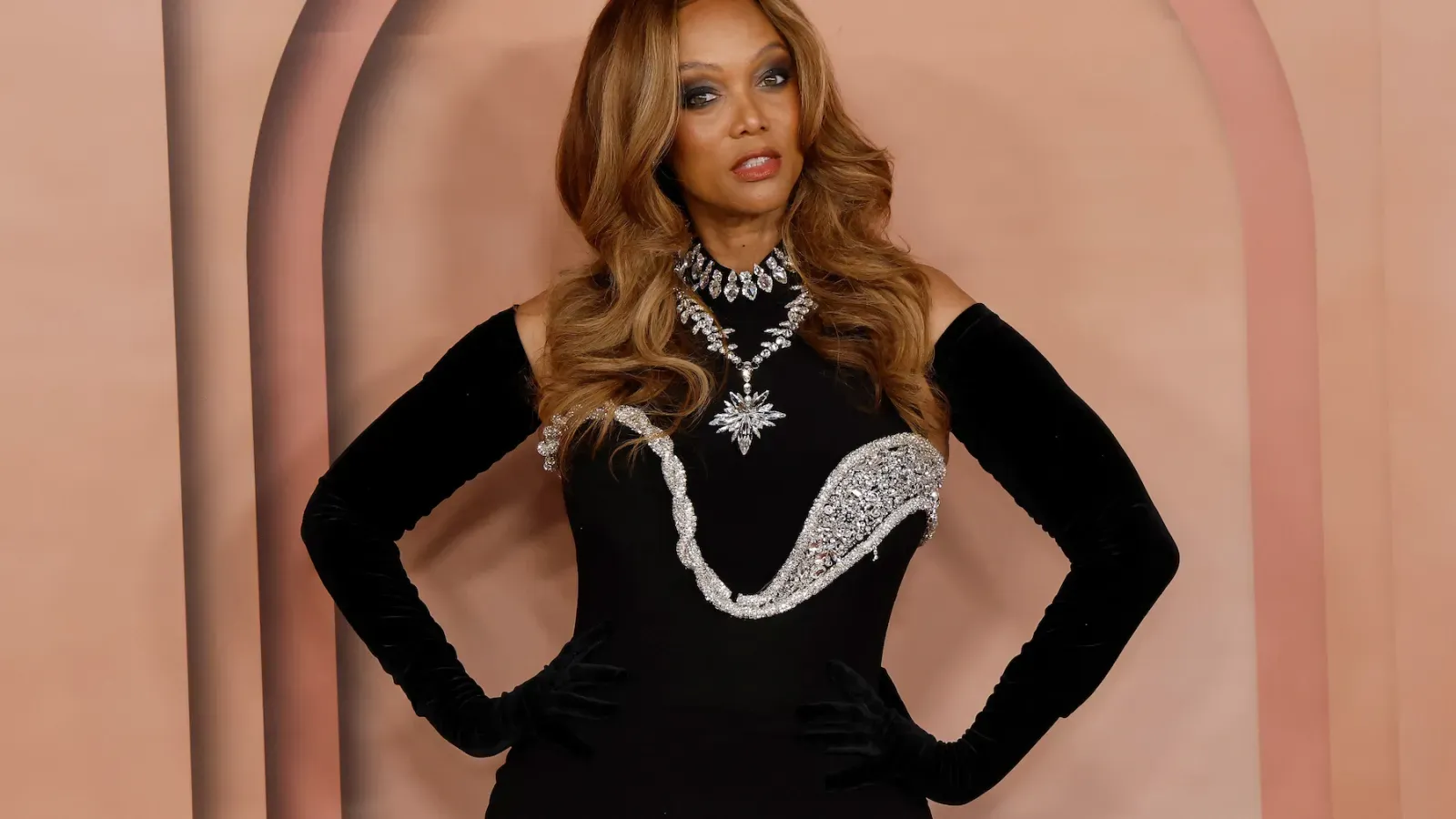
Tyra Banks sues Netflix, alleging Reality Check “reassembled” her interview
The model claims the docuseries distorted her words, turning a reality interview into a legal fight.