

U.S. and Iran halt Hormuz attacks, but energy markets still price an escalation trap
Ceasefire talks move to Qatar, yet oil surges fade into a bigger question: who controls the Strait of Hormuz next?
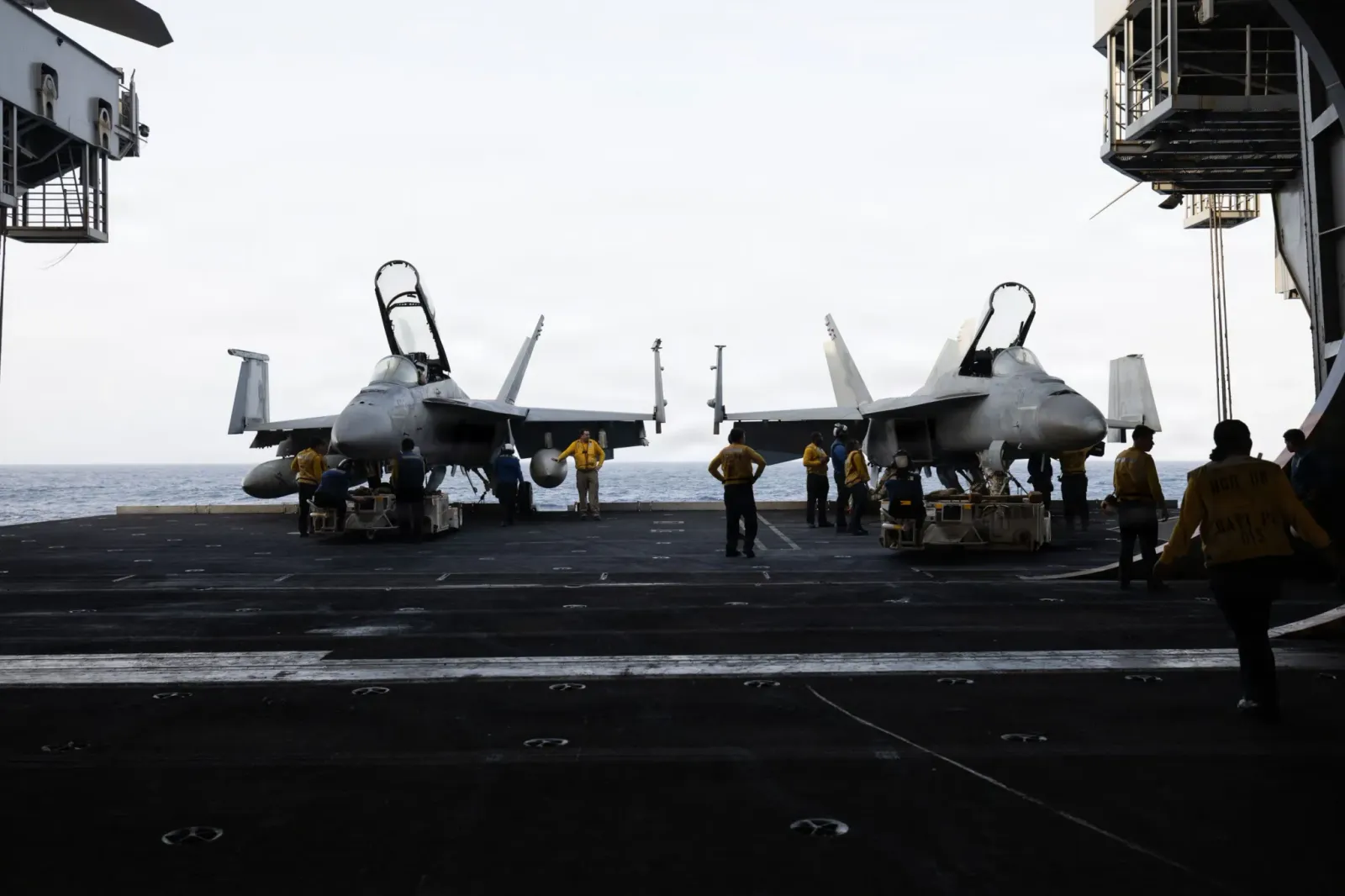
The U.S. and Iran agreed to halt attacks and meet in Qatar on Tuesday to resolve differences over the Strait of Hormuz, according to sources cited by Axios. For decision-makers, the near-term relief in stock futures clashes with persistent energy risk that can quickly reprice shipping, inflation expectations, and corporate risk models.
U.S. and Iran signaled a turn away from the weekend’s escalating Persian Gulf violence, and Wall Street’s first reaction was immediate: stock futures jumped. Futures tied to the Dow Jones industrial average rose 101 points, or 0.19%. S&P 500 futures were up 0.45%. Nasdaq futures gained 0.64%. The news landed as a blunt reminder that markets can unwind faster than geopolitics can fully de-escalate.
The same ceasefire signal, however, comes with a second-order problem that matters as much as the relief rally. Energy markets stayed spooked because any fighting near the Strait of Hormuz threatens the recovery in ship traffic through one of the world’s most important chokepoints. U.S. oil futures climbed 1.5% to $70.29 a barrel, and Brent crude rose 1.1% to $72.80. Sources told Axios that both sides agreed to halt attacks on each other and meet in Qatar on Tuesday to resolve differences over Hormuz.
Why is a ceasefire that sounds like a win not a clean win? Because the underlying dispute is about control and leverage, not just stopping the shooting for a moment. Earlier on Sunday, Iran launched new attacks on Kuwait and Bahrain while threatening a “complete halt” to peace talks. That’s not a footnote. It’s a continuation of a tit-for-tat cycle after U.S. airstrikes punished the regime for targeting commercial ships with drones. The weekend violence was not just noise. It was the latest version of a strategic contest over shipping routes.
Here is the operational stake for anyone thinking beyond the headline: Iran has been seeking to shut down an alternate route through the strait that is protected by the U.S., bypassing a Tehran-backed channel that would support Iran’s effort to normalize its control over the narrow waterway. That means the ceasefire is only as durable as the bargaining over who gets to “manage” the corridor. In other words, the market is reacting to the absence of immediate attacks, but still underwriting the probability of future pressure campaigns.
President Donald Trump accused Iran of violating the two-week-old ceasefire deal and paired the criticism with more of his signature apocalyptic framing, while also signaling reluctance to restart full-scale war.
This story's Key Insights and Take-aways are locked.
Create a free account to unlock Executive Actions for one credit.
Register to UnlockAlways free for Executives Club members. Join the Club
More in Politics
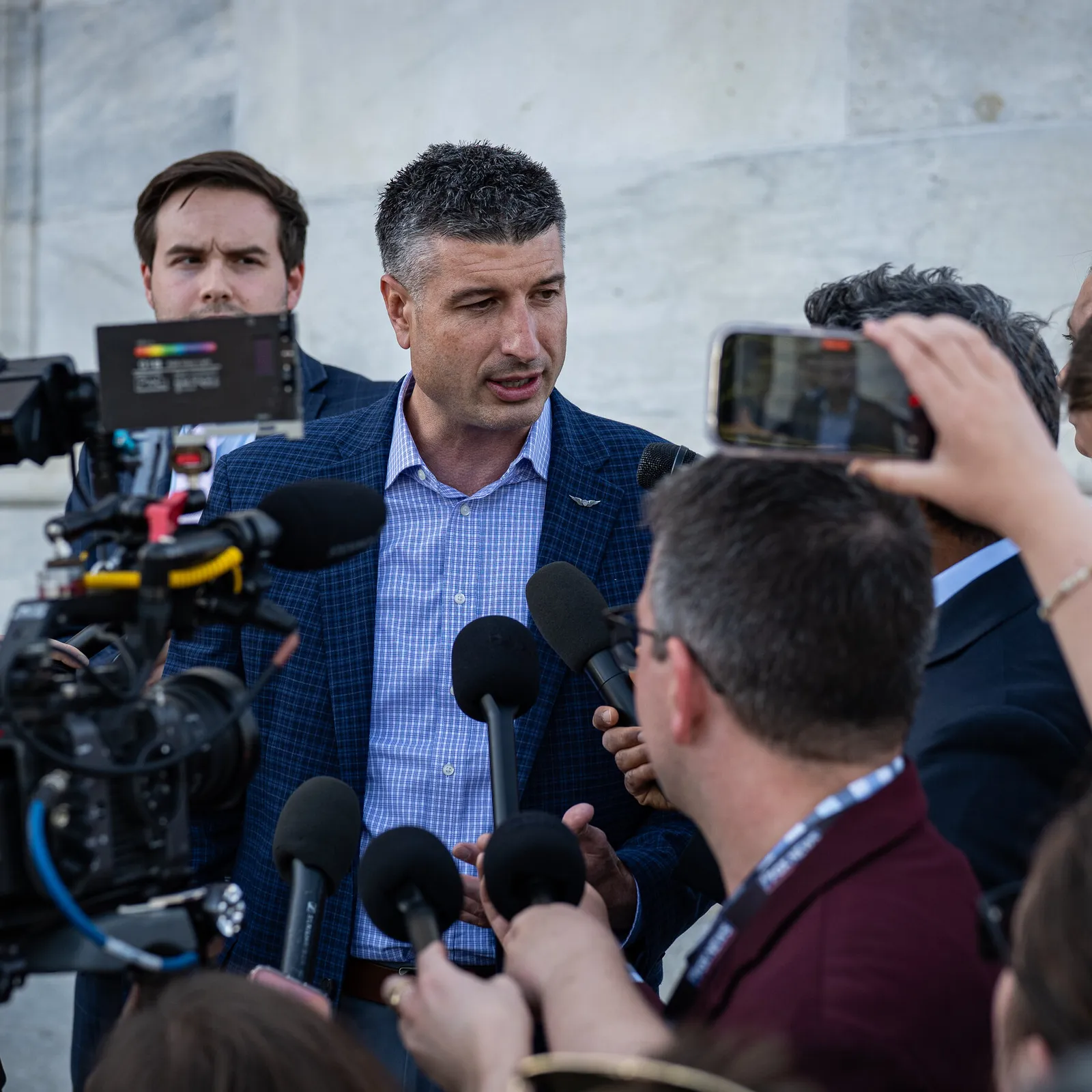
House again forces Iran war powers vote after Republicans join Democrats a second time
Second rebuke repeats the same pattern: a cross-party bloc demands authorization, raising new friction for the president.
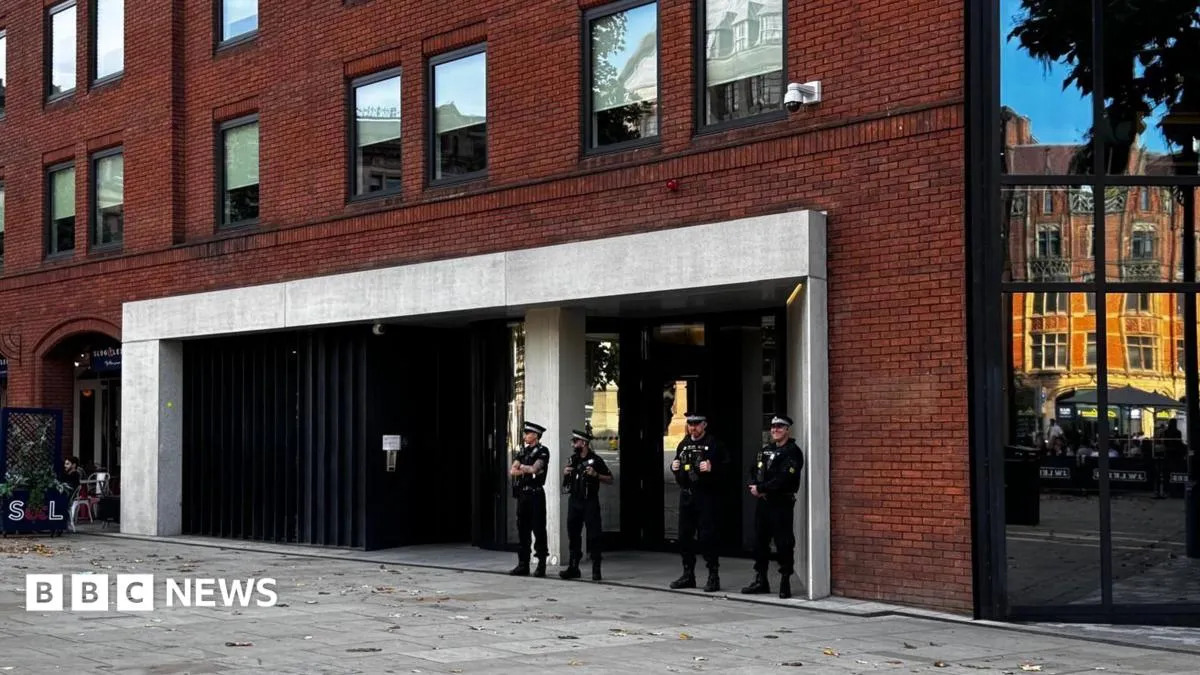
No 10 North blueprint targets up to 300 staff in 18 months
A think tank plan sketches a sizable No 10 workforce timeline, forcing ministers to confront staffing, cost, and control fast.

Burnham backs 20% cut to English pub business rates, not hotels or restaurants
From next April, some hospitality firms get a discount but hotels and restaurants are left out of the 20% break.