

Uber stops Waymo rides in Phoenix, signaling a pivot to its own robotaxis
The change in Phoenix removes an external driverless partner and raises the stakes for Uber's in-house autonomy roadmap.
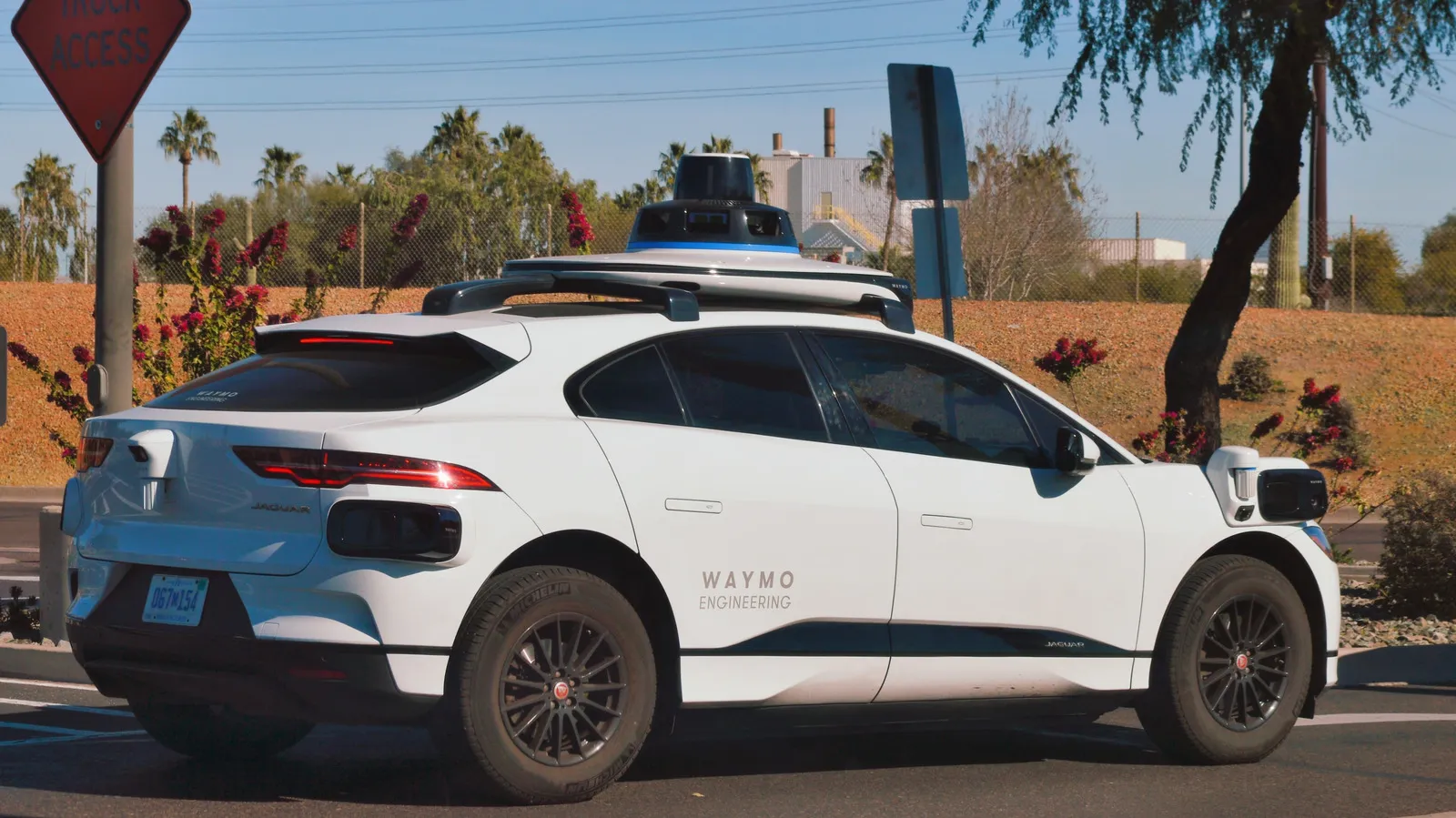
Uber is no longer offering Waymo rides in Phoenix, according to Engadget. The move suggests Uber will lean more heavily on its own robotaxis for driverless options instead of external partnerships.
Uber is no longer offering Waymo rides in Phoenix, and the subtext matters more than the parking-lot logistics: it signals a pivot away from external partnerships and toward Uber using its own robotaxis for driverless options.
That is the headline, but here is the immediate payoff for decision-makers. If you were watching the Uber-Waymo relationship as a bridge between today’s ridesharing platform and tomorrow’s autonomous transport, Phoenix just got a little quieter. The operational reason might be simple, but the strategic implication is not. Uber is re-centering autonomy on internal assets, which typically changes timelines, capital allocation, and risk exposure across product, legal, and regulatory teams.
To understand why this is consequential, zoom out to how driverless deployments usually work. Cities do not just “turn on” robotaxis. They involve regulators, safety cases, public policy goals, and in many places, tightly scoped routes and permitting. Partnerships can reduce friction. If you can rely on an operator that already has a driverless program working locally, you can move faster on customer-facing pilots and branding. But partnerships also create dependencies. Your driverless experience is partly a function of someone else’s expansion pace, technical roadmap, and compliance posture. When a company stops offering those rides, it is not only changing where the cars are. It is changing who owns the autonomy narrative.
Engadget frames the strategic direction plainly: rather than external partnerships, Uber may start leaning on its own robotaxis for driverless options. That phrasing is important. “May” signals that this is an inference from the decision, not a confirmed master plan. Still, the direction is coherent. If Uber has been building internal autonomy capabilities, reducing reliance on third parties can make scaling more straightforward in the long run. You are not negotiating the same partnership terms again and again for each market. You are building an integrated model where the platform controls more of the user experience, the operational playbook, and the data feedback loop.
Now add the regulatory layer, because autonomous vehicles live or die on regulators, not marketing decks. Phoenix is the kind of market where public visibility is high and the operational baseline is real. Even if Uber and Waymo already have experience in the area, changing the availability of rides can reframe how regulators and local stakeholders view responsibilities. When Uber shifts away from an external provider, the company effectively assumes more of the “who is accountable” burden. That can be stabilizing if Uber is confident in its safety and compliance readiness. Or it can be a challenge if it requires additional scrutiny to match the expectations previously met by an established partner.
The market dynamics are also worth noting for executives thinking beyond Uber. Rideshare platforms are under pressure to maintain growth while facing rising scrutiny on safety, labor, and technology deployment. Driverless services promise a structural lever, but they are not plug-and-play. They require operational discipline, strong incident response, and robust sensor and software reliability. If Uber is moving toward its own robotaxis, that indicates it wants tighter control over reliability and economics. That matters for board-level conversations about burn rate, unit economics, and long-horizon optionality.
Second-order implications are where this starts to get spicy for leadership teams. First, if Uber reduces reliance on Waymo in Phoenix, other partnership models across autonomy may face similar recalibration. Boards may ask whether partnerships are tactical stepping stones or long-term strategies. Second, this can change internal incentives. Teams building platform integration for autonomy can get more budget and urgency when the company treats in-house robotaxis as the primary route to driverless offerings. Third, it reshapes competitive positioning. Customers, regulators, and the autonomy ecosystem track consistency. A visible withdrawal of rides in a known market is a signal, even when no one says it outright.
For peers in mobility, autonomy, and platform transportation, the lesson is straightforward: the way you structure partnerships is not just procurement. It is strategy. Uber’s move in Phoenix removes an external driverless option and suggests a greater reliance on its own robotaxis. That increases both upside and risk for anyone betting on autonomous transport as the next distribution channel, because it pulls more of the responsibility and execution complexity under one company’s roof.
This story's Key Insights and Take-aways are locked.
Create a free account to unlock Executive Actions for one credit.
Register to UnlockAlways free for Executives Club members. Join the Club
More in Technology

Nvidia's $89B data center quarter: the 9 companies cashing in
The AI buildout is minting fortunes beyond GPUs, and memory, cloud, and cooling suppliers are riding the same wave.

Google quietly links your phone number to every Android account on your SIM
Adding a SIM now ties your phone number to all Google accounts - and future accounts inherit it. Here's the security and privacy stakes.

Hijacker AI 'Skynet mode' runs 100,000 attack steps against exposed models
Symantec caught a criminal AI agent that borrows other models, steals data, and mines crypto; the only relief is no confirmed victims yet.