
UK refugee family reunions blocked: Refugee Council says 16,000 stuck or turning to smugglers
A suspended family reunion route has left thousands unable to join immediate family in the UK, Refugee Council says.
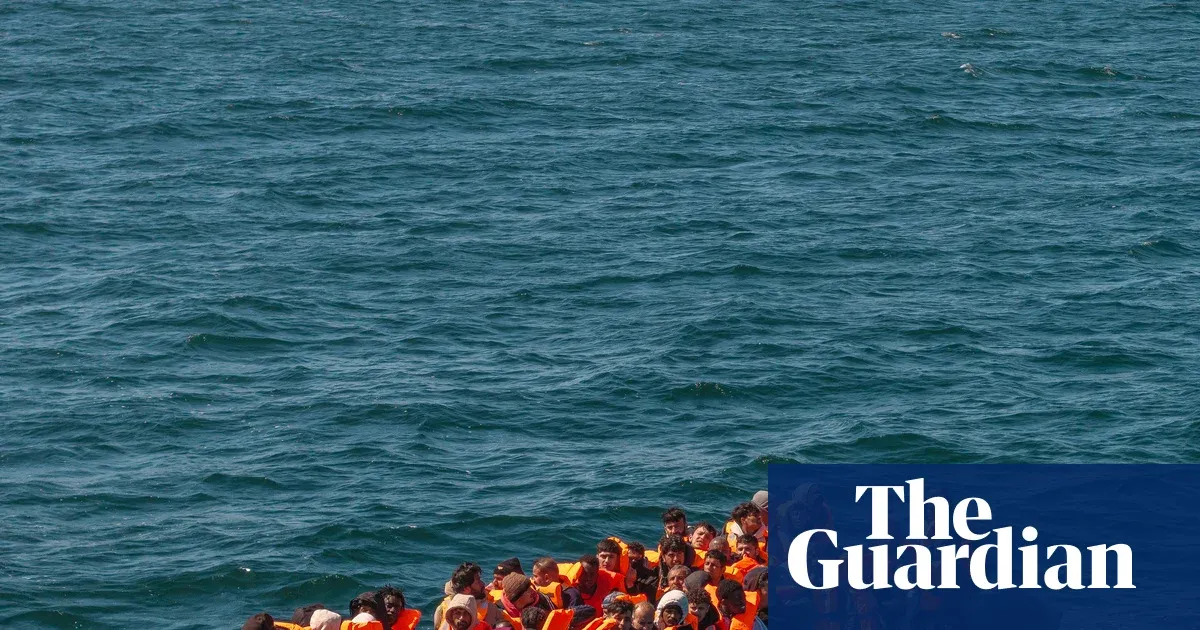
The Refugee Council says more than 16,000 refugees in the UK have been unable to reunite with family in the country. The government suspended the refugee family reunion route last September, and the suspension was expected to last until spring.
More than 16,000 refugees have been unable to reunite with their families in the UK, the Refugee Council says. The result is stark: many are either stuck in conflict zones or using people smugglers to reach safety. This is not a slow-burn administrative backlog. It is a policy cutoff with immediate human consequences.
The cause is clear. The UK government suspended the refugee family reunion route last September. That route used to let people who had been granted refugee status apply to bring immediate family members, including a spouse and children under 18, to reunite with them in the UK. The suspension was expected to last until spring of this year, but the Refugee Council’s latest accounting makes the downstream reality impossible to ignore.
To understand why this matters beyond the headlines, you have to look at how family reunification functions in refugee policy. For someone recognized as a refugee, the path is supposed to cover not just survival but stability. Immediate family is not an optional add-on; it is often the difference between being safe in theory and being safe in practice. When reunification is delayed or blocked, individuals still have the same need. It just gets rerouted into higher-risk channels.
That is where the “people smugglers” detail becomes a second-order issue for policymakers, local authorities, and any organization operating in the immigration and resettlement ecosystem. Once a legal channel is suspended, demand does not disappear. It shifts. People still try to move toward safety and away from conflict. If the state pauses one route, some will pursue other routes that may be illegal or more dangerous. In operational terms, that means additional pressure on border and enforcement systems, more strain on support services once people arrive, and potentially more cases of exploitation. Even if the government’s intent was temporary control, the pressure travels elsewhere.
There is also an incentive problem embedded in the design. Family reunion processes require documentation, applications, and decision timelines. A suspension changes the expected time-to-reunite from “uncertain but underway” to “effectively halted.” For families already separated by war or persecution, uncertainty can be more toxic than clarity. When families cannot plan around a predictable administrative window, they often face a binary choice: wait indefinitely, or act through unofficial pathways. That is the gap between policy and lived reality, and the Refugee Council is highlighting the size of that gap, above all, with the figure of more than 16,000.
The regulatory framing is important. Family reunion is governed by the rules for who qualifies and what immediate relationships qualify. In this case, the route previously allowed refugees to apply to bring a spouse and children under 18. Suspending it affects a specific category of people, not a general immigration pathway. That makes the policy change more consequential for households built around these strict definitions of “immediate family.” It also means that the people most affected are those whose legal status is already recognized as refugee status, yet still face a hard stop on bringing close relatives.
For executives and boards watching this space, the story is a reminder that policy risk is operational risk. Organizations that fund, staff, or partner with resettlement and refugee support often assume that legal pathways create a predictable flow. When the state suspends such routes, workflows change. Demand spikes, timelines stretch, and service providers may face more urgent needs as people remain separated longer. That can increase costs and complicate planning, even if organizations themselves did not cause the policy suspension.
Strategically, similar decisions by governments elsewhere often come with the same tradeoff: tightening or pausing migration routes can be justified as a control mechanism, but the human and system-level second-order effects can surface quickly. The Refugee Council’s statement makes it clear that the immediate fallout is happening now, not in some future review. When more than 16,000 refugees cannot reunite with families in the UK, and many are pushed toward conflict zones or people smugglers, the policy is no longer just a legal footnote. It becomes a real-time stress test for the entire humanitarian and regulatory system around it.
This story's Key Insights and Take-aways are locked.
Create a free account to unlock Executive Actions for one credit.
Register to UnlockAlways free for Executives Club members. Join the Club
More in Politics
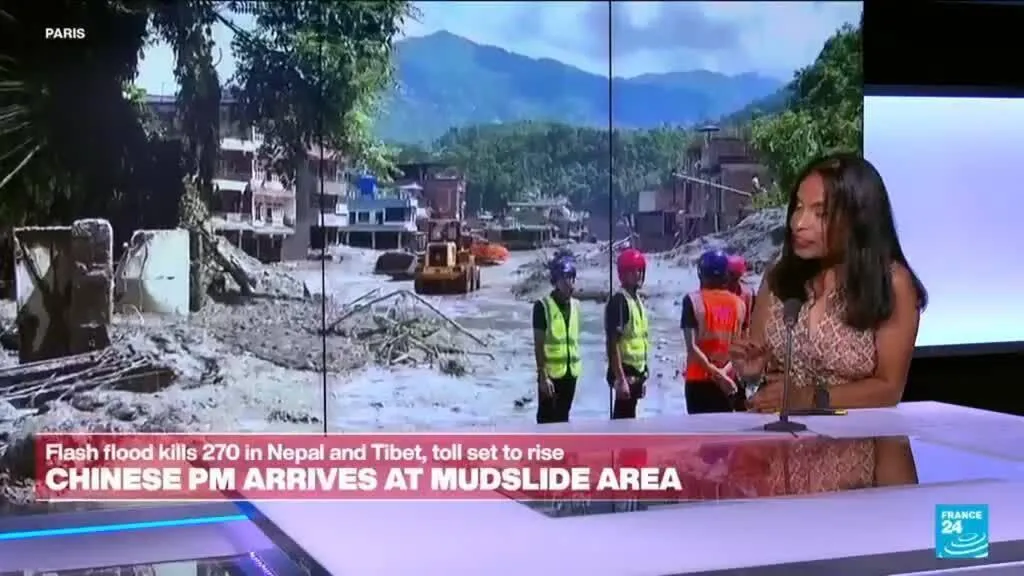
Glacial collapse, not rain, killed 180 in Nepal's Himalayan flood
The Himalaya's extreme geography hid the true cause of Nepal's catastrophic flood, a glacial collapse that turned a geological battleground into a mass-casualty zone.
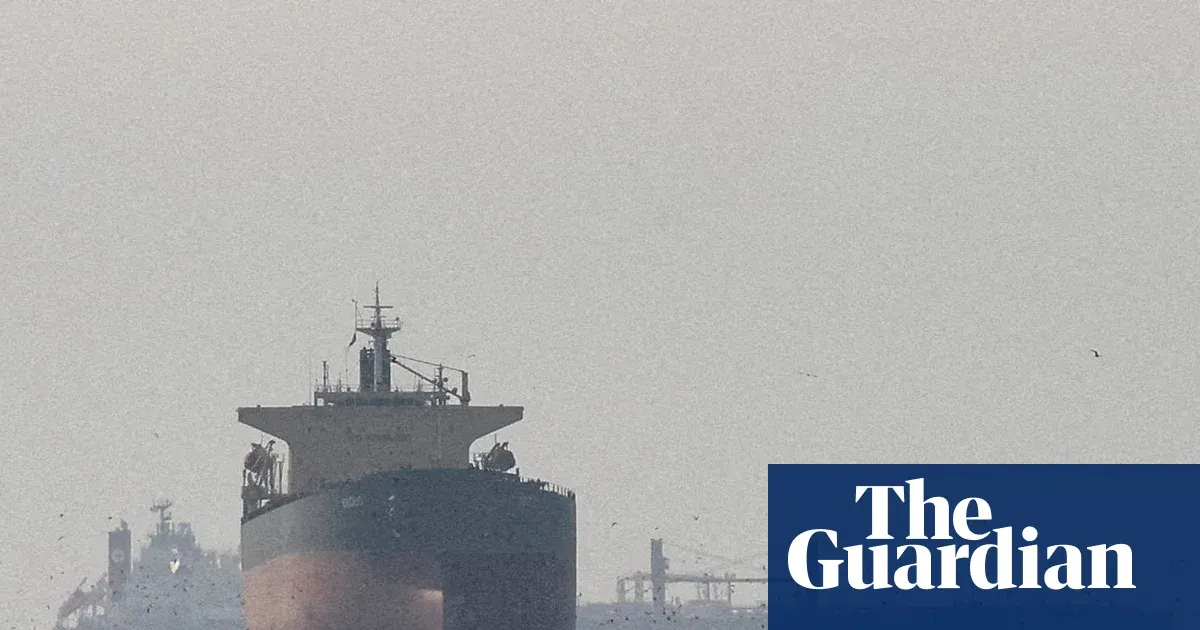
Iran’s Esmail Baghaei says Oman talks start shipping via Hormuz, not US talks yet
Temporary route plans with Oman aim to restart commerce while Tehran says Washington dialogue is not on the table.

Standards watchdog opens probe into Reform UK deputy leader Richard Tice over interests
The parliamentary standards commissioner says it began an investigation on 28 July into a possible undeclared interest.