

UK’s biggest solar eclipse since 1999 hits 12 August, here’s the safe watch plan
Decision-makers in UK venues and event teams get the who, where, and safety steps for the 12 August eclipse.

The BBC reports the UK's biggest solar eclipse since 1999 arrives on 12 August. For operators planning public viewings, the key consequence is safety-first guidance on how to watch it properly.
The UK is about to get a sky event it has not seen in generations. A solar eclipse described as the UK's biggest since 1999 arrives on 12 August, and the BBC has one clear job: tell people where they can see it safely.
That date matters because planning has to start before the crowd does. The eclipse on 12 August is not just a fun science moment, it is a logistics and safety test for anyone hosting viewings. The BBC’s framing is blunt in its simplicity: “here’s where to see it safely.” That means the “biggest since 1999” claim is only half the story. The other half is making sure you do not turn curiosity into preventable harm.
First, a quick reality check on why safety is the headline worth reading. Solar eclipses are not like star gazing where your biggest risk is getting chilly. Looking at the Sun during an eclipse can still damage eyes, even when the Moon covers part of it. In practice, eclipse viewing typically requires proper solar viewing protection, and most safe guidance boils down to the same principle: do not look directly, and use approved eye protection or safe projection methods. The BBC’s article is specifically about safely watching it, so for UK operators, the takeaway is to treat this as a safety compliance job, not an “add-on” to event marketing.
Second, think about what “where to see it” really means for decision-makers. “Where” is not just a map pin, it is a risk control. Crowds, weather uncertainty, lighting, and access routes all change your exposure profile. A venue that knows its local transport and crowd management can reduce chaos. A venue that does not can create a situation where people start improvising with unsafe materials because they are stressed, late, or looking for the best angle.
This is why eclipse events create second-order pressure on operations teams. The BBC’s note that it is the UK's biggest solar eclipse since 1999 is inherently scarce, and scarcity drives behavior. When something is rare, foot traffic goes up, dwell time goes up, and so does the chance of rule-bending. For museum directors, city event coordinators, and science centers, the “safe watch plan” is not only about eye protection information. It is also about how quickly staff can distribute it, how visible the messaging is, and how confidently you can correct unsafe behavior.
Third, the regulatory and standards angle, even when not spelled out in the headline, is the quiet backbone of these announcements. Public safety guidance around solar viewing generally depends on recognized viewing protection standards and clear instructions that match what attendees actually do. The BBC’s emphasis on safety suggests a recommended approach rather than guesswork. For executives, that means you should align your internal materials with the authoritative guidance you are pointing people to. If your communications say “safe,” they need to be precise enough that the most distracted attendee can still comply.
Finally, there is the reputational piece. In moments like this, people judge organizations by what they prevent. A bad outcome will always get amplified, and “we meant well” never plays in hindsight. Conversely, a well-run viewing becomes a community win, a science credibility boost, and a staff confidence builder. The BBC’s article effectively sets the baseline: 12 August is coming, the event is significant, and the action is to find where you can see it safely. If you are an operator with an audience, that baseline should translate into operational readiness today, not during the commute tomorrow.
In a sentence: this is a rare UK eclipse on 12 August that the BBC calls the biggest since 1999, and the strategic question for venues is whether you can turn a once-in-a-while curiosity spike into a safely managed experience. Other teams will be watching the sky too, but only the ones that treat safety as the main event will look good when the clouds clear and the crowd shows up.
This story's Key Insights and Take-aways are locked.
Create a free account to unlock Executive Actions for one credit.
Register to UnlockAlways free for Executives Club members. Join the Club
More in Science
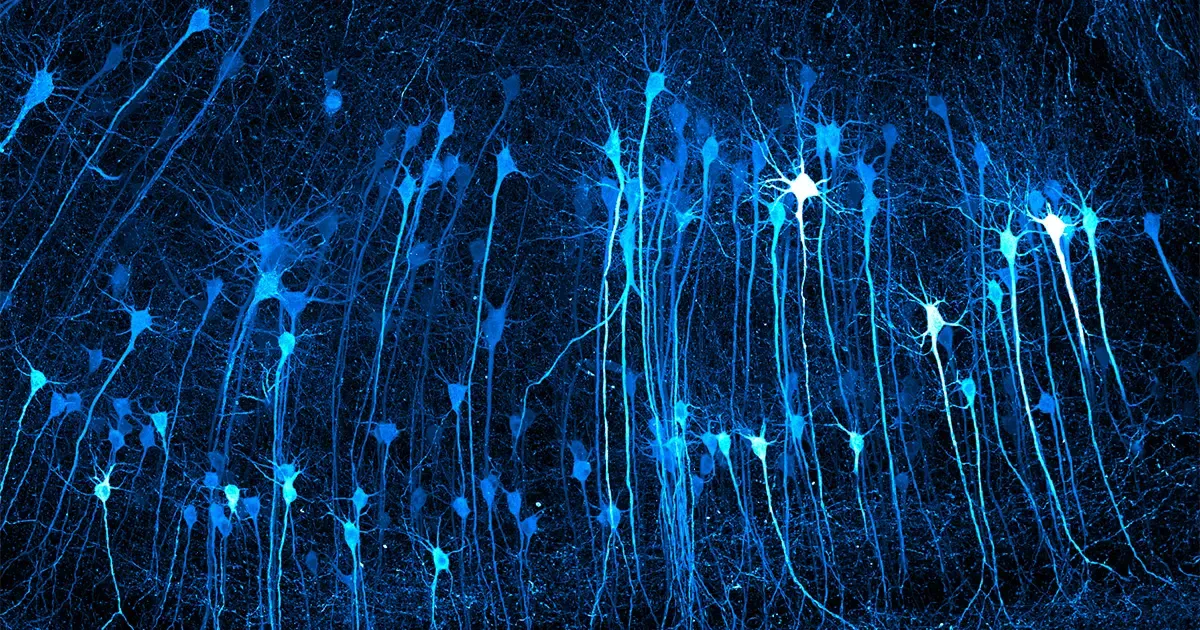
2026 Nikon Small World Winners Reveal the Hidden Machinery of Everyday Life
A mycologist's frozen Edinburgh garden became the backdrop for vivid views inside cells, a reminder of what advanced imaging now makes visible to researchers and the industries built on biology.
Study: 1 in 4 depression cases may be a body-clock problem, not a chemical one
A 10,000-person study finds standard antidepressants often fail these patients, but melatonin and morning sunlight may hit the real root cause.

Start-Up Says A.I. Designed a Virus to Attack One Patient's Superbug
If the claim holds up, personalized phage therapy could become a new frontline weapon against antibiotic resistance - but proof is far from final.