
UN human rights chief demands immediate pause as South Kivu fighting intensifies
Why the UN is pushing a ceasefire now, and what it signals for stability, diplomacy, and risk across Congo’s east.
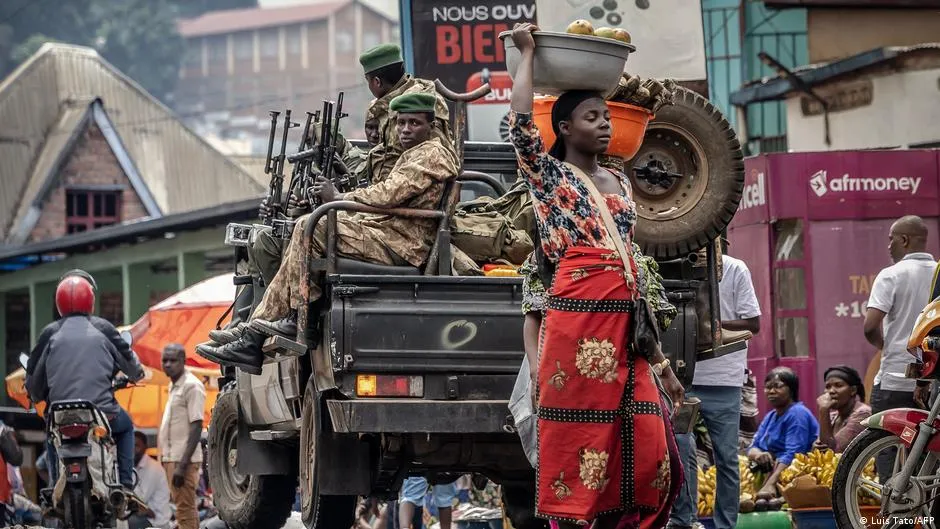
Deutsche Welle reports that the UN human rights chief called for an immediate halt to fighting in eastern Democratic Republic of Congo. The warning follows intensified clashes between the Congolese army and the Rwanda-backed M23 militia in South Kivu.
The UN human rights chief is demanding an immediate halt to fighting in eastern Democratic Republic of Congo, after clashes intensified between the Congolese army and the Rwanda-backed M23 militia in South Kivu. That is the headline moment. The more important question for decision-makers is what happens when fighting escalates fast enough that the UN feels compelled to move from monitoring to a direct call for a stop.
In plain terms, the UN is trying to close the gap between events on the ground and international accountability before the violence locks in. When fighting intensifies between an army and an armed group like M23, humanitarian harm tends to accelerate, displacement can spread, and access for monitors and aid operations becomes harder. The UN human rights chief’s call for an immediate halt is essentially a pressure attempt, aimed at forcing a pause while there is still leverage and still time to prevent an even worse spiral.
South Kivu matters for reasons that go beyond the immediate battlefield. Eastern DRC has long been a place where security breakdowns compound economic and governance stress. For companies and investors, that usually shows up as elevated operational risk: roads and supply routes become unreliable, staffing and logistics get disrupted, and compliance costs rise because oversight and rule-of-law get patchier. Even if the direct parties here are the Congolese army and a Rwanda-backed militia, the second-order effect is felt across the whole operating environment, from project timelines to insurance assumptions.
There is also a regulatory and political dimension, because the UN’s language is not neutral. When the UN human rights chief publicly calls for an immediate halt, it is signaling that the situation is being framed through a human rights lens, not just a military one. That framing tends to influence how other actors respond, including diplomatic pressure, UN-related monitoring, and how international organizations calibrate their engagement. For executive teams, this is the kind of signal that can affect risk scoring, due diligence requirements, and the way boards think about ESG and human rights governance.
So what does “immediate” really mean in practice? It suggests the UN believes the current trajectory is harmful enough that time itself is part of the problem. In conflict zones, escalation often creates momentum: armed actors gain capabilities, local disputes get folded into larger campaigns, and civilians bear the cost. The UN’s insistence on a halt is aimed at breaking that momentum. But there is a stubborn reality here. Armed groups and state forces may treat ceasefire calls as political theater until incentives shift, and incentives shift slowly when violence is already underway.
The specific mention of the Rwanda-backed M23 militia is also consequential. By tying M23 to Rwanda in the description, the report highlights how cross-border support allegations can complicate any path to stabilization. For the UN and for other stakeholders, that implies the fight is not only local. It means ceasefire enforcement, verification, and compliance become more difficult if external backing is part of the equation. For regional stakeholders and for corporate decision-makers with exposure to the broader Great Lakes area, this kind of cross-border dynamic usually means contingency planning has to assume that shocks can travel.
For boards and senior executives, the strategic stakes are clear: when the UN human rights chief calls for an immediate halt in a specific province, you should treat it as an escalation marker, not a background update. It can affect how quickly you need to adjust operational plans, strengthen supplier and partner oversight, and revisit assumptions about security and continuity. And it also matters for peers because the public nature of the UN warning can tighten the compliance environment for everyone operating nearby.
Finally, there is the accountability question. The UN is not just urging peace for peace’s sake. By centering human rights, the message points toward scrutiny of conduct and consequences. In conflict settings, that scrutiny can intensify as events accumulate and as more actors demand transparency. Executives who take that seriously early tend to suffer fewer surprises later, because their governance systems are built for this kind of scrutiny, not for denial.
This story's Key Insights and Take-aways are locked.
Create a free account to unlock Executive Actions for one credit.
Register to UnlockAlways free for Executives Club members. Join the Club
More in Politics
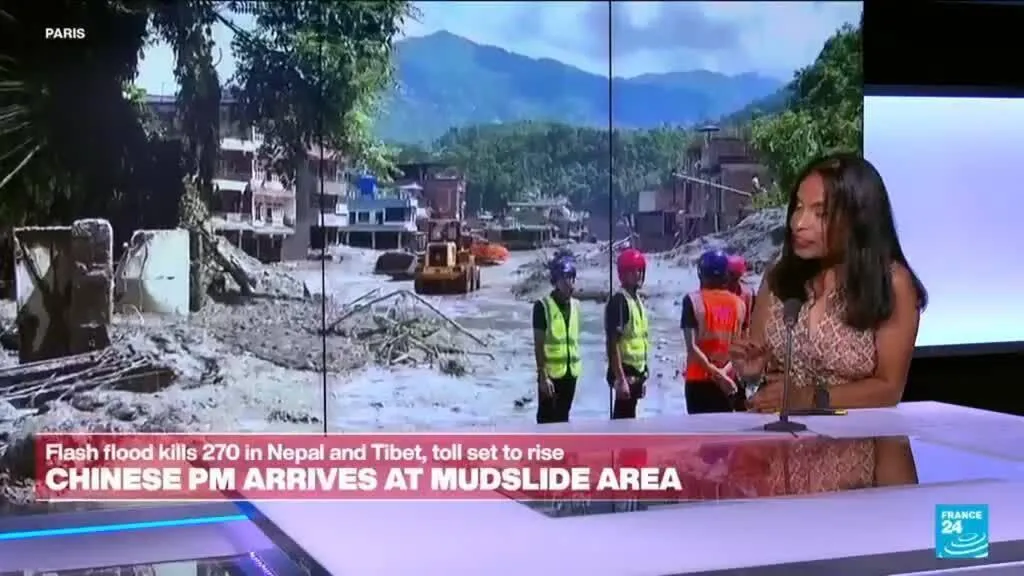
Glacial collapse, not rain, killed 180 in Nepal's Himalayan flood
The Himalaya's extreme geography hid the true cause of Nepal's catastrophic flood, a glacial collapse that turned a geological battleground into a mass-casualty zone.
Iran’s Esmail Baghaei says Oman talks start shipping via Hormuz, not US talks yet
Temporary route plans with Oman aim to restart commerce while Tehran says Washington dialogue is not on the table.
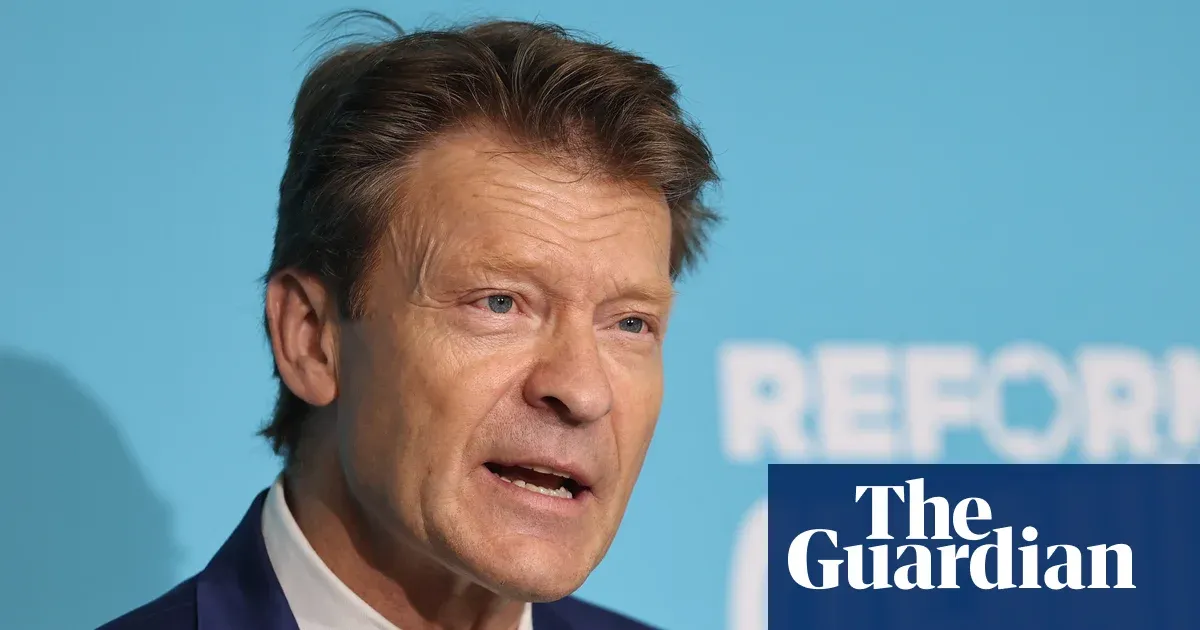
Standards watchdog opens probe into Reform UK deputy leader Richard Tice over interests
The parliamentary standards commissioner says it began an investigation on 28 July into a possible undeclared interest.