
Uno-X coach Olav Aleksander Bu shows Nordic heat training after Tour's record 2026
As the 2026 Tour de France hits a new heat high, Bu details the Nordic method for training athletes to cope.
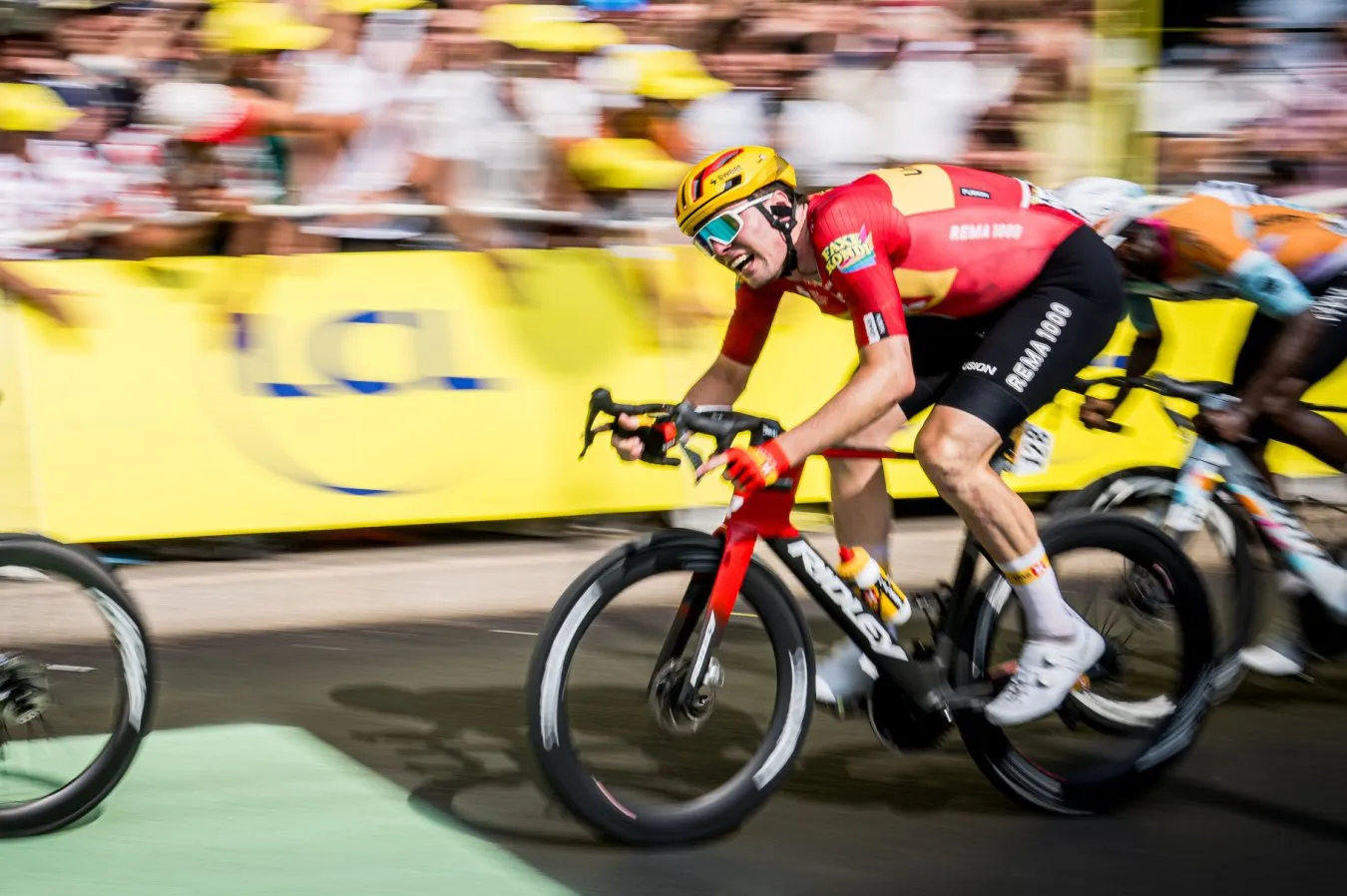
Olav Aleksander Bu, a Norwegian-method pioneer and coach at Uno-X Mobility, lays out how Nordic athletes are adapting training for extreme heat. With the 2026 Tour de France already the hottest ever, the approach is turning “conditions” into a competitive edge for teams.
The 2026 Tour de France has been the hottest ever. And that single fact is now driving a real training shift, not just a sports headline.
Olav Aleksander Bu, a Norwegian-method pioneer and a coach with Uno-X Mobility, is helping Nordic athletes learn how to compete when the environment itself becomes the opponent. In New Scientist’s account, Bu’s focus is straightforward: when heat extremes are no longer rare, athletes need a systematic way to train for them, so performance does not fall off a cliff when temperatures climb.
Why should business leaders care? Because the dynamics look familiar. In any industry, teams start planning for stress only after it stops being theoretical. Heat is the athletic version of operational risk. Once a season delivers “the hottest ever,” boards and executives have to treat environmental conditions as part of the operating model, not a background variable. Training plans become something closer to infrastructure.
There is also a regulatory and governance angle, even in sport. Extreme-heat patterns push competition organizers, governing bodies, and athlete-safety stakeholders to think harder about when to adjust rules, schedules, or protocols. In many settings, once conditions become extreme enough to force intervention, organizations that prepared early tend to avoid chaos later. You can see the same logic in HR and workplace safety, in manufacturing cooling requirements, or in public infrastructure planning. Heat changes the math, and organizations either redesign the process or deal with consequences.
Bu’s method matters because it targets readiness before race day. Athletes cannot “catch up” on heat adaptation in the final week if the body and training load are not built for it. So the training shift is about timing and consistency: repeated exposure and deliberate conditioning to help athletes handle strain. For Nordic athletes, that is a particularly interesting cultural and practical twist. Nordic training has long been shaped by cold weather realities, but extreme heat now demands the same seriousness in the opposite direction. The “home-field advantage” becomes a training advantage, even if the race is not.
Second-order implications show up for teams and sponsors too. A hot Tour changes what viewers notice, and it changes what brands want to associate with. Teams that can maintain performance in heat get credibility, while teams that struggle under those conditions may see media narratives harden quickly. That can influence everything from internal budgets to how sponsors evaluate risk and brand fit. If the hottest Tour ever becomes a new baseline expectation, competitive viability moves from talent alone to talent plus preparation methodology.
There is also a broader market context. Weather extremes have been pushing decision-makers across sectors to reconsider assumptions about normal ranges. In sports, the cost of getting it wrong is immediate and visible: fatigue, reduced output, and potentially more safety concerns. In business, the cost can be slower but equally brutal. You either build resilience into operations, or you face unplanned variability that disrupts delivery. Heat training, in this story, is the athletic equivalent of building a plan for the worst plausible scenario and then rehearsing it until it becomes routine.
Strategically, what Bu is doing signals something important for any executive managing performance under changing conditions. If the 2026 Tour de France is already the hottest ever, then “extreme heat” stops being an outlier event. It becomes a recurring constraint that organizations must engineer around. For other teams, coaches, and decision-makers in similar roles, the question shifts from whether athletes can endure heat to whether systems, training design, and safety thinking can keep up with a new climate reality. When conditions become a constant variable, preparation becomes the differentiator.
This story's Key Insights and Take-aways are locked.
Create a free account to unlock Executive Actions for one credit.
Register to UnlockAlways free for Executives Club members. Join the Club
More in Science

2026 Nikon Small World Winners Reveal the Hidden Machinery of Everyday Life
A mycologist's frozen Edinburgh garden became the backdrop for vivid views inside cells, a reminder of what advanced imaging now makes visible to researchers and the industries built on biology.

Study: 1 in 4 depression cases may be a body-clock problem, not a chemical one
A 10,000-person study finds standard antidepressants often fail these patients, but melatonin and morning sunlight may hit the real root cause.

Start-Up Says A.I. Designed a Virus to Attack One Patient's Superbug
If the claim holds up, personalized phage therapy could become a new frontline weapon against antibiotic resistance - but proof is far from final.