

US begins 10th straight day of strikes on Iran, death toll reaches 17
Centcom says the attacks aim to degrade Iranian capabilities used against commercial shipping in the Strait of Hormuz.
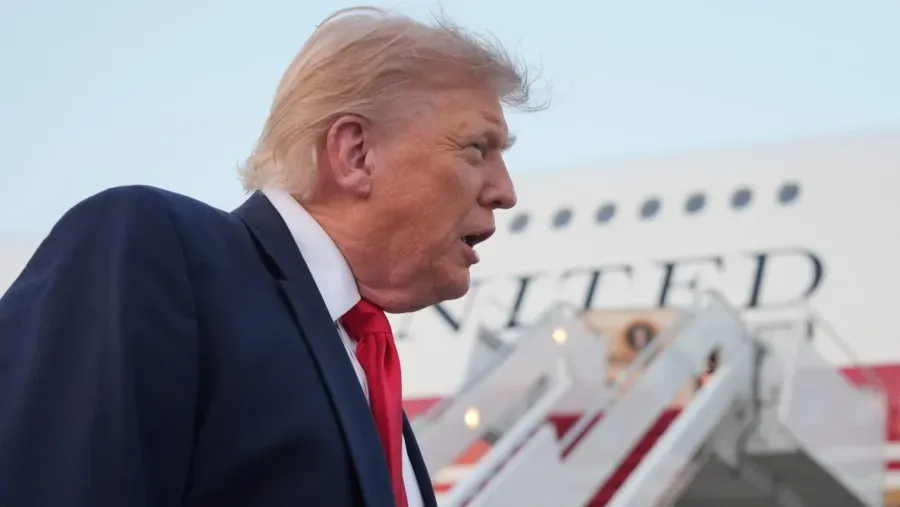
U.S. Central Command (Centcom) launched its 10th consecutive day of strikes against Iran on Monday afternoon. The campaign is intended to degrade Iranian military capabilities used to attack commercial shipping in the Strait of Hormuz, with the Iran war death count rising to 17 as the U.S. military suffered three deaths.
U.S. Central Command, or Centcom, launched its 10th consecutive day of strikes against Iran on Monday afternoon, with the stated goal of degrading Iranian military capabilities used to attack commercial shipping in the Strait of Hormuz. Centcom said this in a post on X, framing the air and other military action as a focused operational effort rather than a broader escalation in messaging.
The immediate consequence for markets and risk planners is the human cost and the operational cadence. The Iran war death count has risen to 17, and the U.S. military suffered three deaths, according to the report. A 10-day run tells you this is not a one-off incident. It is a sustained campaign, which matters because sustained campaigns tend to change how shipping insurers price risk, how logistics teams route around chokepoints, and how companies model contingency plans.
Why the Strait of Hormuz angle is the critical thread. The Strait is a narrow maritime passage that concentrates global energy and trade flows. When an adversary targets commercial shipping, the effect is rarely confined to the battlefield. Even if strikes are “designed” to degrade specific military capabilities, the real-world system response shows up in delays, higher freight costs, and higher insurance premiums. Businesses that depend on predictable delivery schedules, and investors who price cash flows on stable assumptions, start adjusting quickly when a chokepoint becomes tactically relevant.
This is also a regulatory and compliance story, even if regulators are not the ones launching missiles. Sanctions regimes, export controls, and anti-money-laundering rules already influence how companies move, pay, and insure cross-border trade. During periods of heightened conflict risk, compliance teams typically tighten screening and documentation, because counterparties and routes can shift overnight. That does not require new regulations to feel real. It is the operational burden that changes first: more manual review, more vendor questionnaires, more stress tests on supply chains.
Executives should also think about the “second-order” effect on corporate reporting and board oversight. When fatalities are rising and military operations are continuing into a second week, boards usually have to revisit risk disclosures and internal escalation protocols. While the source does not name particular companies, it does confirm the direction of travel: ongoing strikes and a rising death count. That combination is a signal that risk will not quickly revert to baseline, which typically forces leadership teams to plan for multiple scenarios, not just a single short-term shock.
There is another layer for capital allocation and treasury teams. Conflict around critical shipping lanes can affect commodity markets and input costs indirectly. Even where direct exposure is limited, financing terms and counterparty risk can shift as banks and insurers adjust their own risk appetite. In practice, that can show up in higher hedging costs, tighter limits, and more conservative assumptions for working capital needs. In short: a military campaign aimed at degrading capabilities can still produce finance-level outcomes that look like the business world is reacting to something else entirely.
So what should leaders in similar roles take from this Monday update? Centcom says the 10th consecutive day of strikes is designed to degrade Iranian capabilities used to attack commercial shipping in the Strait of Hormuz. The report also states the Iran war death count has risen to 17, with three U.S. military deaths. Put together, that is a picture of a campaign that is continuing, not fading, and of escalating human stakes. For decision-makers, the strategic question is not only “what happens next on the battlefield,” but also “how fast do we need to adjust our risk models, insurance and logistics posture, and board-level oversight for a world where a major trade chokepoint remains under threat for days, not hours?”
This story's Key Insights and Take-aways are locked.
Create a free account to unlock Executive Actions for one credit.
Register to UnlockAlways free for Executives Club members. Join the Club
More in Politics

LA County: DOJ's 20,000 'noncitizen' voter list is 'unreliable,' includes U.S.-born
Preliminary review by Los Angeles County election officials finds errors in the federal list, raising the stakes for voter roll integrity ahead of November.
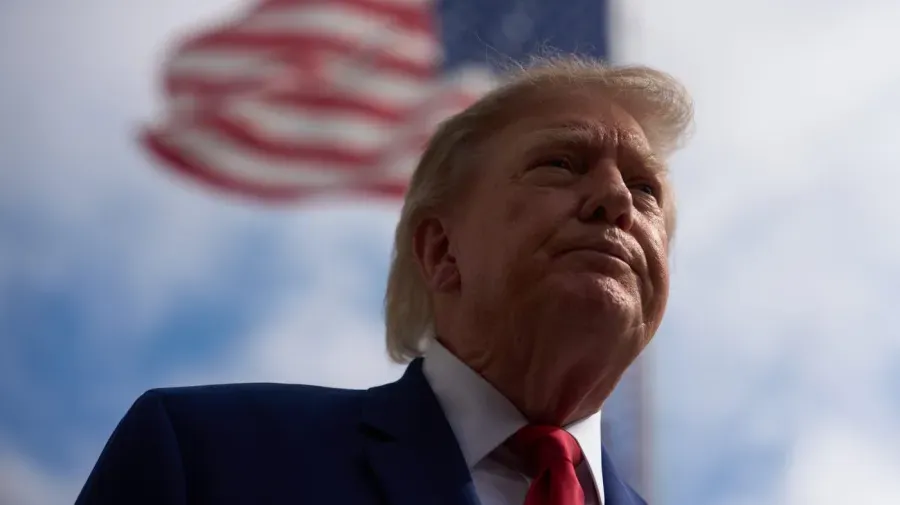
Trump's $1.5B Pentagon chip investment lands in North Carolina
A $1.5 billion defense infusion for North Carolina chipmaking signals a new era of Pentagon-backed reshoring - here's what it means for the industry.
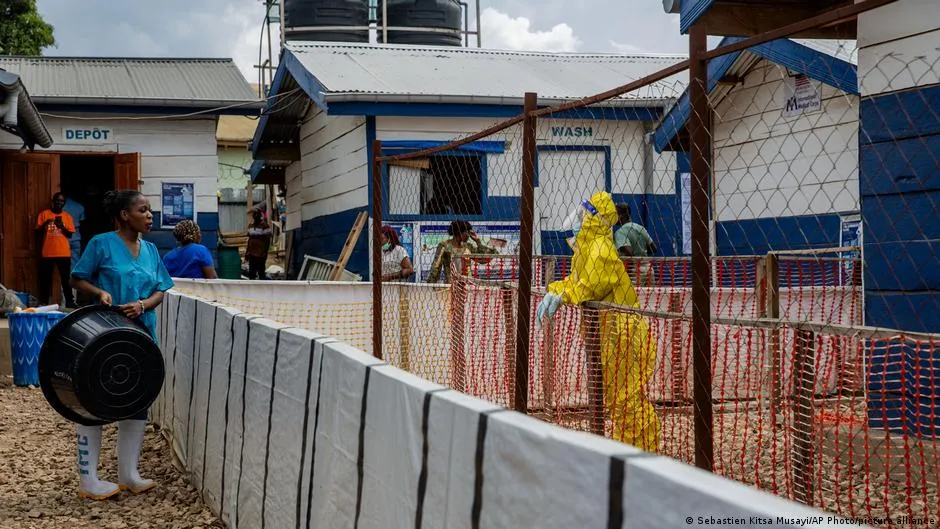
Nigeria confirms first Ebola case in Abuja, a woman just off a Uganda flight
Health Minister Muhammad Ali Pate says the patient flew in from Uganda, putting Africa's latest outbreak on Nigeria's doorstep.