
US, Lebanon, Israel sign trilateral framework for peace and Hezbollah disarmament
A first structure for ending hostilities: Lebanese control in two pilot zones, disarmament process, and $100 million US humanitarian commitment.
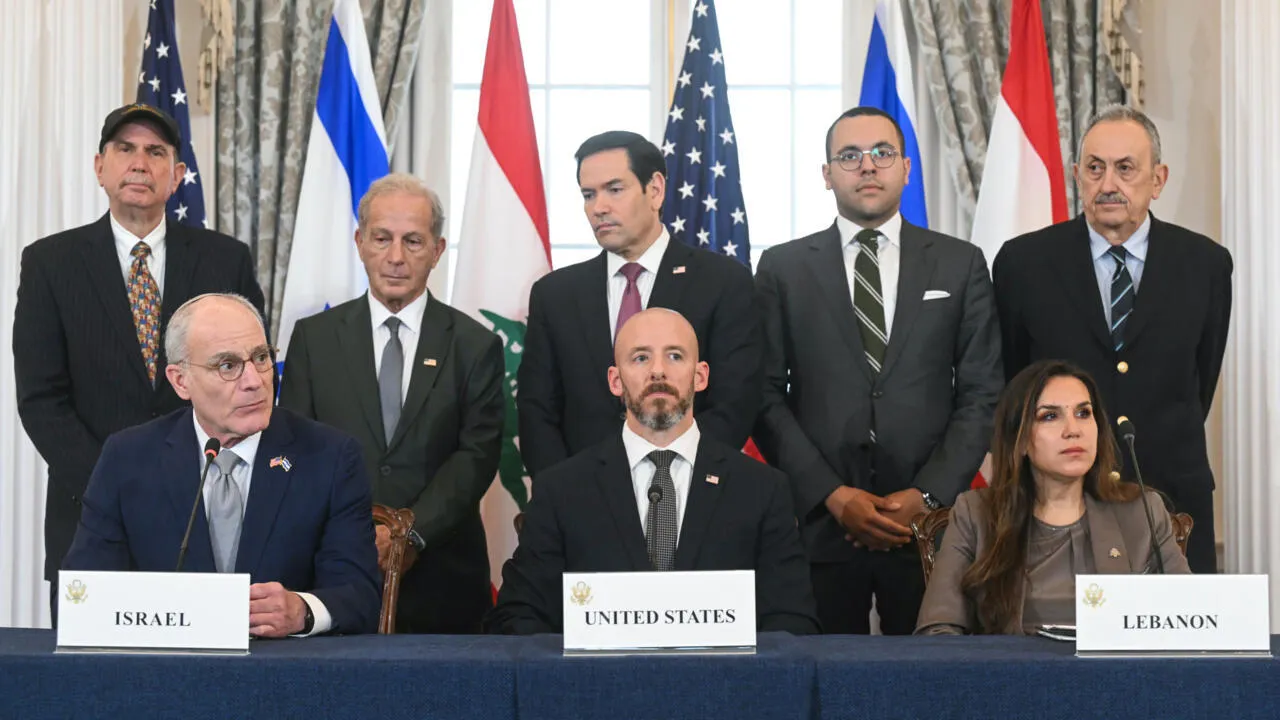
Lebanon, Israel, and the United States signed a trilateral framework agreement in Washington aimed at paving the way for a peace deal, including a pilot role for Lebanese soldiers in two occupied areas and a process aimed at disarming Hezbollah. For decision-makers, it sets a timeline and verification framework for sovereignty, redeployment, and reconstruction, backed by US humanitarian funding and military reimbursements.
Lebanon, Israel, and the United States signed a trilateral framework agreement in Washington on Friday aimed at paving the way for a peace deal between the two long-time Middle East adversaries. The document is built around a very specific exchange of control on the ground: a pilot effort where Lebanese soldiers would take control of two areas currently occupied by Israel, paired with a process aimed at disarming Hezbollah. In other words, this is not a vague “let's talk” moment. It is an attempt to turn negotiations into sequencing, responsibilities, and verification.
US Secretary of State Marco Rubio framed it as the start of a start. “The deal begins to put in place a framework for lasting peace and security,” he said at the signing ceremony, adding, “It's the beginning of the beginning. There's a lot of work ahead.” That line matters because the agreement itself is packed with conditions and phased steps: Israel and Lebanon “declare their intent to conclusively end the conflict,” set out how “sovereign authority” would return across Lebanese territory, and lay out a pathway for Israeli Defense Forces to redeploy progressively.
The framework is the result of five rounds of talks in the US capital. Under the agreement, the Lebanese Armed Forces (LAF) would restore “sovereign authority over all Lebanese territory,” but that is explicitly pending “the verified disarmament of non-state armed groups,” particularly Hezbollah. That sequencing is the heart of the compromise, and also the most fragile point. It tries to bridge the gap between what Israel wants (security assurances and Hezbollah weapons removed) and what Lebanon wants (restoration of territorial integrity and sovereignty), while using verification to prevent either side from running the process unilaterally.
The pilot mechanics are concrete. Prior to the release of the text, Israeli Prime Minister Benjamin Netanyahu said his country’s military would allow the Lebanese army to take control of territory in “two pilot areas,” one south of Lebanon’s Litani River and another north of it. According to the text, “the LAF will assume full and effective security responsibility in these zones,” internationally supported reconstruction efforts will begin, and Lebanese civilians would be able to “safely return” to those areas. In a region where “control” is often a power word rather than an administrative plan, this is at least an operational outline.
The agreement also pulls the US into the implementation rather than staying purely diplomatic. Rubio said the accord establishes a “clear and structured process” to disarm Hezbollah and its infrastructure, along with a US-facilitated military working group to help implement the deal. The State Department released the text late Friday, and it is backed by funding: the United States will commit $100 million in humanitarian assistance in coordination with the United Nations, and will reimburse Lebanon’s army for $30 million to “improve the capability and capacity” of those forces. For executives and boards tracking risk in international operations, this is a funding and capacity signal. Humanitarian assistance and force capacity do not just support people on the ground, they also affect whether verification, reconstruction, and redeployment steps can actually be executed.
There is a second layer of context here, and it explains why the deal is dramatic but not soothing. Hezbollah, which is part of the Lebanese government but also maintains a powerful armed wing outside state control, drew Lebanon into the broader Middle East war on 2 March with rocket fire aimed at Israel to avenge the killing of Iran's supreme leader Ayatollah Ali Khamenei in US-Israeli strikes. Israel responded with heavy airstrikes and a ground invasion, and its troops continue to occupy swaths of southern Lebanon, where they have carried out extensive demolition of homes and other buildings. The war has displaced more than one million Lebanese and left more than 4,200 dead, according to Lebanese authorities. That scale is not just tragedy. It raises the stakes for ceasefires, implementation credibility, and reconstruction timelines, because every delay can become a political accelerant.
Even at the signing, major differences remained openly on the table. Hezbollah chief Naim Qassem said earlier Friday that Israel has “no option but to withdraw completely from every inch of our Lebanese land,” and that its forces “must leave unconditionally.” Netanyahu, meanwhile, said Israel has no plans to exit Lebanon until Hezbollah gives up its weapons, and he had previously described the two pilot zones as the scope for allowing LAF takeover. Lebanon’s ambassador to Washington, Nada Hamadeh Moawad, portrayed the accord as “a first step on the road to restoring Lebanese sovereignty and territorial integrity,” enabling a permanent and final cessation of hostilities and allowing people to go back to their land.
For decision-makers watching this from the outside, the second-order implication is about process design under conflict. Agreements like this do not succeed because everyone is suddenly aligned. They succeed if sequencing is clear, if funding and capacity are credible, and if there is a mechanism to verify sensitive disarmament promises. The UN humanitarian chief Tom Fletcher hailed the signing in Washington as “a moment of hope and opportunity.” But the underlying reality is that the framework has to translate into redeployments, verified disarmament, and safe returns, while Hezbollah, Israel, and Lebanon still signal different end-states. In boardrooms and investment committees, the question becomes simple: can a phased framework survive contact with armed actors, reconstruction constraints, and political deadlines?
This story's Key Insights and Take-aways are locked.
Create a free account to unlock Executive Actions for one credit.
Register to UnlockAlways free for Executives Club members. Join the Club
More in Politics
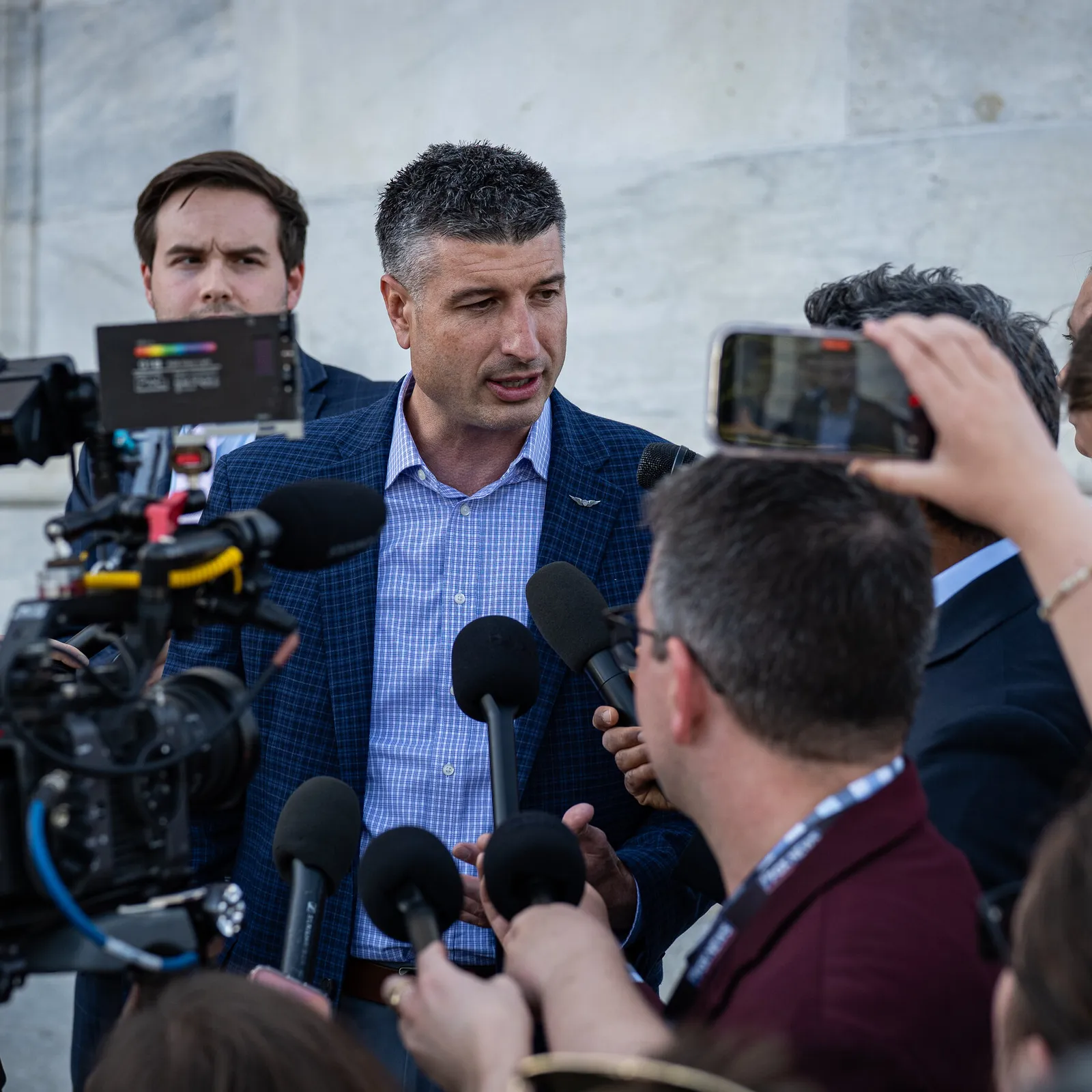
House again forces Iran war powers vote after Republicans join Democrats a second time
Second rebuke repeats the same pattern: a cross-party bloc demands authorization, raising new friction for the president.
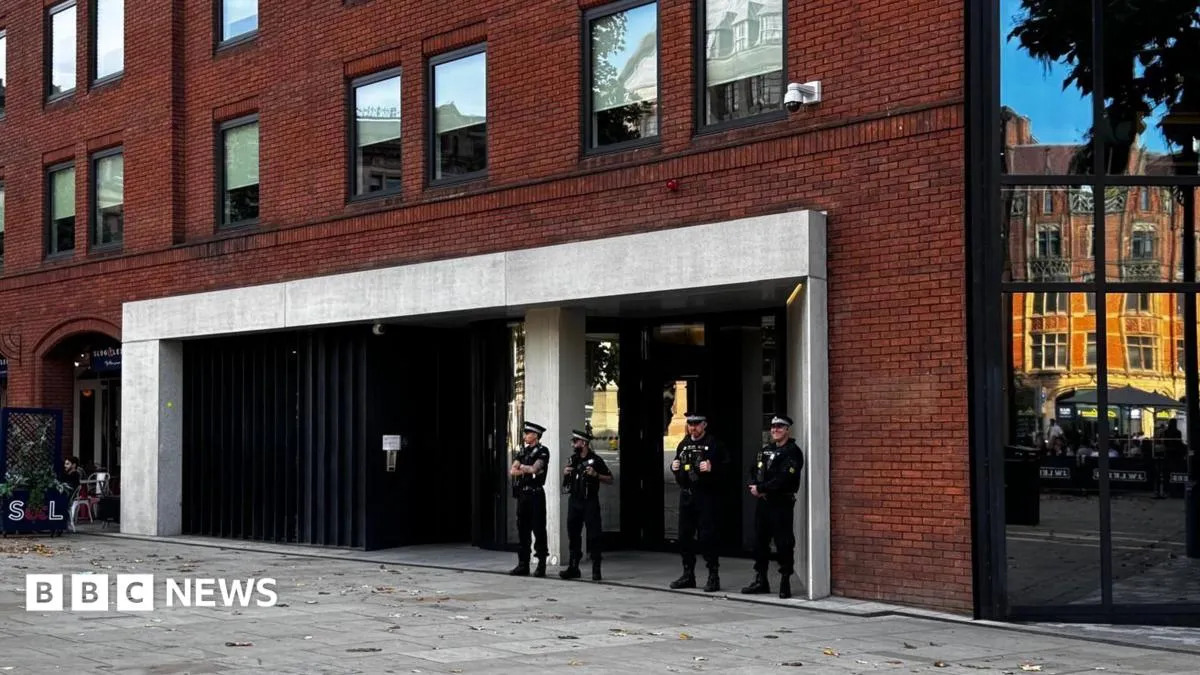
No 10 North blueprint targets up to 300 staff in 18 months
A think tank plan sketches a sizable No 10 workforce timeline, forcing ministers to confront staffing, cost, and control fast.

Burnham backs 20% cut to English pub business rates, not hotels or restaurants
From next April, some hospitality firms get a discount but hotels and restaurants are left out of the 20% break.