
Valve’s Steam Machine ships June 29 for $1,049, but a queue may block you
A reservation-based purchase system and Linux SteamOS land TV-ready gaming hardware, yet availability stays the real story.
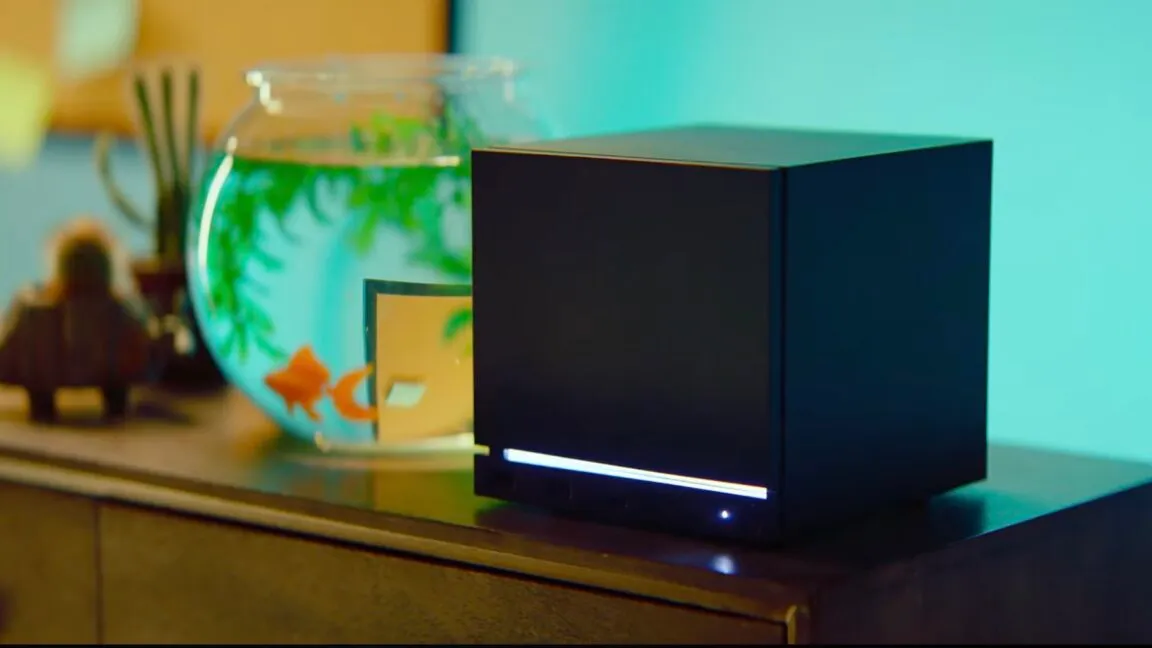
Valve is bringing its TV-friendly Steam Machine to market on June 29 with a reservation-based system, starting at $1,049. For decision-makers, the randomized purchase queue signals Valve is optimizing fairness, but it also spotlights friction in how scarce inventory gets allocated.
Valve’s TV-friendly gaming PC, the Steam Machine, is slated to ship June 29 starting at $1,049, and Valve says you will likely not get it on your first try. The reason is not performance, specs, or software support. It is the purchase mechanics: Valve is using a reservation-based system built around a randomized purchase queue, which the company says is meant to make the buying experience “less frustrating and more fair.”
Here is the concrete pricing and what’s actually arriving. Valve’s Steam Machine will launch in two variations. One version pairs 512GB of storage with a retail price of $1,049. The larger configuration offers 2TB of storage, retailing for $1,349. If you want Valve’s Steam Controller, you can bundle it with either model for an additional $79. Valve also notes that buying the 2TB model includes a pair of exclusive faceplates with red fabric and walnut finishes. Both versions ship with SteamOS, the Linux-based operating system, meaning Valve is betting that developers and players can coexist with a console-like experience on top of a PC foundation.
Now, zoom out to why this matters beyond gamers refreshing a checkout page. The Steam Machine announcement arrives at a time Valve itself effectively acknowledges through the timeline: late 2025 was a “worst time” for new PC hardware to be introduced, because the AI boom sent storage and RAM prices through the roof, and those upheavals delayed the release. That is a familiar industry pattern. When component prices jump, the entire “build to sell” calendar shifts, and consumer devices that depend on commodity parts end up competing not just on marketing, but on whether you can secure parts without blowing margins.
The Steam Machine’s configuration also explains what Valve is trying to sell as a category. Like the Steam Deck, it uses a custom six-core AMD Zen 4 CPU with a peak clock speed of 4.8GHz, paired with an integrated AMD RDNA3 GPU. Valve specifies 28 compute units and 8GB of dedicated DDR6 VRAM soldered to the board, plus 16GB of DDR5 allotment on the board. With upscaling technology, Valve says this should be enough to play moderately demanding PC games on your TV. In other words, Valve is not pitching “max settings at 4K.” It is pitching couch-friendly, living-room play with enough headroom to keep the experience consistent.
But if you are an executive, the queue is the more interesting “product feature” here. Randomized purchase queues sound small, until you connect them to how hardware drops typically create reputational debt. Scarcity triggers instant resale incentives, frantic refresh behavior, and customer frustration. Valve’s stated goal is fairness. Whether that translates into smoother conversion or fewer complaints, the mechanism tells you Valve expects constrained supply or high demand at launch. A reservation system is effectively a demand-shaping tool as much as it is a customer experience fix, and randomized access reduces the advantage of speed-based clicking. That is a subtle move that can influence both public sentiment and downstream resale dynamics.
It also signals how Valve is thinking about platform trust. Steam already has a massive ecosystem, but building hardware adds a different layer of risk. Hardware buyers have to commit upfront to a device, and they need to believe the company will handle launch constraints responsibly. Valve’s fairness language is the kind of positioning that helps reduce “I got screwed” narratives when allocations are limited. It may not eliminate disappointment, but it can change the tone of disappointment, from anger to expectation.
For boards and investors watching adjacent device markets, the second-order implication is straightforward: distribution strategy is becoming as important as technical specs. Component price volatility can delay launches, but purchase logistics determine the first wave of customer outcomes. If the Steam Machine becomes a case study for how to manage high-interest hardware drops, it may influence how other consumer PC efforts structure reservations, queues, and bundles. And since the Steam Machine ships with SteamOS, Valve also doubles down on a Linux-based approach in a segment where Windows compatibility is the default expectation for most PC buyers.
So the strategic stakes for peers are not just “does it run games.” It is “how does the company behave when demand outpaces supply.” June 29 is the date, $1,049 is the entry point, and the queue is the gate. If Valve pulls this off, it turns a hardware launch into a distribution win. If it fails, the first complaint will not be about hardware. It will be about access.
This story's Key Insights and Take-aways are locked.
Create a free account to unlock Executive Actions for one credit.
Register to UnlockAlways free for Executives Club members. Join the Club
More in Technology
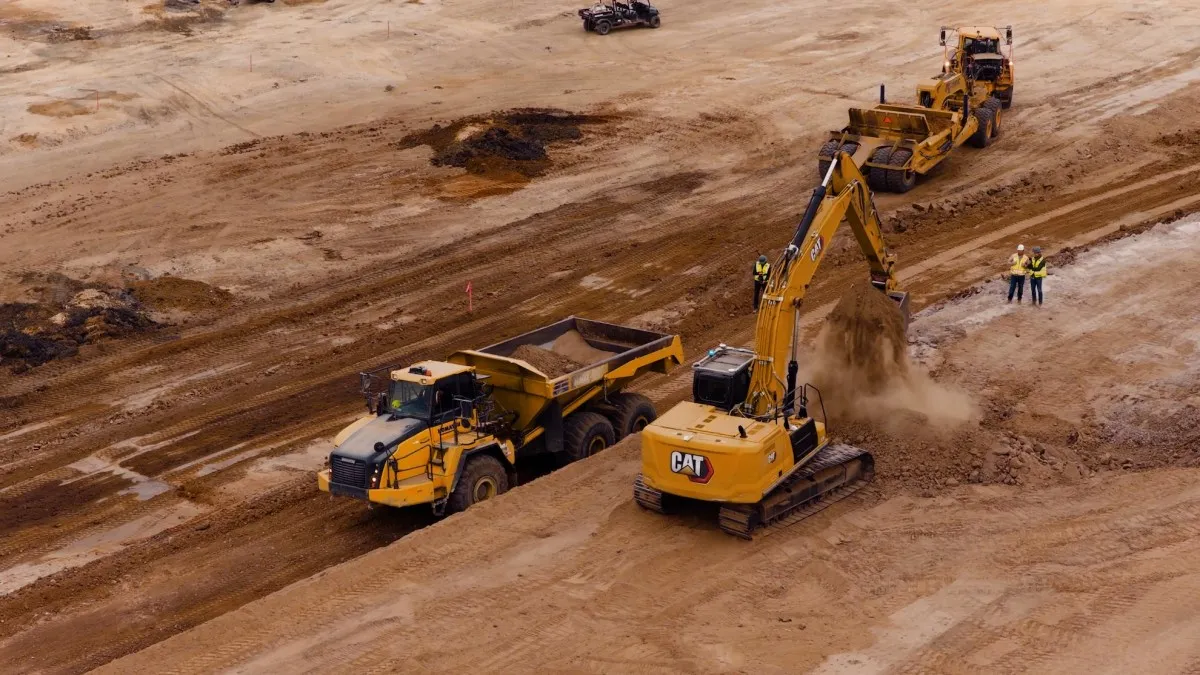
Self-driving excavator startup Bedrock digs up $600M, now worth $4.1B
Bedrock Robotics banks $600M to automate excavators, valuing the startup at $4.1B.
Microsoft offers buyouts to 60,000 as AI efficiency push reshapes its workforce
The voluntary buyout offer is the clearest sign yet that Microsoft will trim headcount even as it accelerates AI infrastructure spending.

Reddit's r/opensource bans AI slop, solo devs, and non-English speakers
New rules require a year of maintenance, three contributors, and English fluency, leaving independent developers locked out of the forum they need to grow.