

Venice just booked a 4-hour Elon Musk documentary in its 2026 lineup
Alex Gibney’s “Musk” is one of many premieres in competition and out-of-competition slots for Sept. 2-12.
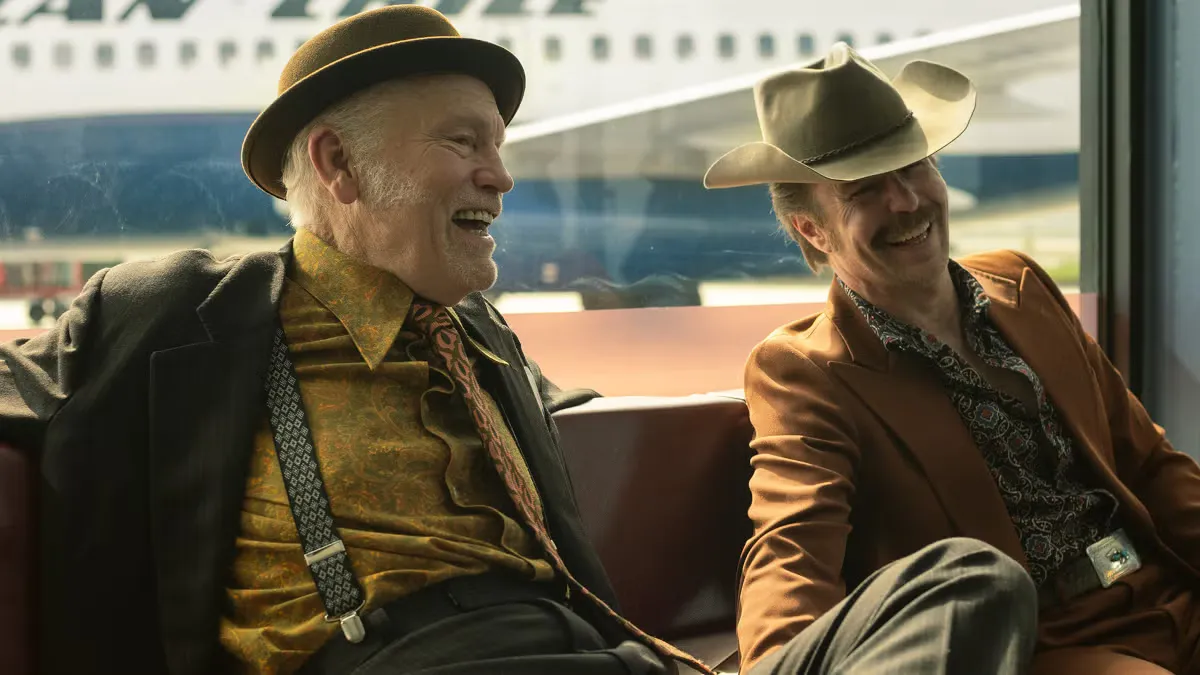
Venice Film Festival president Pietrangelo Buttafuoco and artistic director Alberto Barbera announced the 2026 Venice International Film Festival lineup, including Oscar-winning director Alex Gibney’s long-awaited four-hour documentary, “Musk,” about Elon Musk. For executives and investors, the lineup signals how major festivals are increasingly packaged like multi-asset media events, with long-form attention as a competitive weapon.
Venice has made the quiet choice that is not quiet at all: a four-hour documentary about Elon Musk, titled “Musk,” sits in the 2026 Venice Film Festival lineup. The film comes from Oscar-winning director Alex Gibney, and it is scheduled among the festival’s out-of-competition documentaries when the festival runs Sept. 2 through Sept. 12. It is the kind of programming decision that turns a film festival into an attention market, because a four-hour runtime is a commitment, and audiences feel committed back.
The reason this matters immediately is simple. In a festival filled with multiple films that top the three-hour mark, “Musk” is not an outlier, it is one more data point in Venice’s current thesis: long-form, high-profile nonfiction and narrative prestige can coexist with intense main-competition branding. Venice is an awards-race accelerant, and when the lineup leans into mammoth runtimes and headline subjects, it changes what people talk about for weeks, not just days.
Now zoom out, because the “Musk” booking is only one piece of a broader slate that Venice is presenting as both glamorous and heavily stacked. New narrative films with world premieres in the main competition include Martin McDonagh’s “Wild Horse Nine,” starring John Malkovich and Sam Rockwell; Werner Herzog’s “Bucking Fastard,” starring sisters Rooney and Kate Mara; Florian Zeller’s “Bunker,” starring Javier Bardem and Penelope Cruz; Lance Oppenheim’s “Primetime,” with Robert Pattinson as Chris Hansen; and Casey Affleck’s “Company,” with Nick Nolte and Ben Mendelsohn. Those are not obscure names. They are the kind of cast and directing names that turn a film festival program into a mainstream conversation.
Venice is also leaning hard on documentary even beyond “Musk.” The unusually robust out-of-competition documentary slate includes Gibney’s “Musk,” plus films such as “Burgundy,” directed by Michael Dweck and Gregory Kershaw; Barbara Kopple’s “Union Town”; Sergei Loznitsa’s “Imperium”; Takashi Miike’s “Shumei - The Living Legacy of Kabuki”; and Elizabeth Chai Vasarhelyi and Jimmy Chin’s “Everest: The Other Side.” There’s also Wim Wenders’ “From Inside Out - The Architecture of Peter Zumthor,” and two music-oriented films: Dylan Southern and Will Lovelace’s “Oasis: Don’t Look Back in Anger,” and Russell Crowe’s “What Love Builds,” which focuses on Crowe’s side career as a musician and bandleader.
If you want a single line summary of the runtime psychology here, it is this: the prize for longest movie goes to Luca Guadagnino’s documentary “Joie de Vivre,” a seven-hour look at the cinema of Bernardo Bertolucci. That detail does more than entertain. It frames the festival’s operating environment, where “long” is not a problem to be managed, it is a feature to be curated. And for film financiers, distributors, and media platforms watching what gets attention, this is the signal: there is appetite for sustained storytelling when the subject and authorship are strong enough.
The lineup is also conspicuously light on American studio films, mirroring how this year’s Cannes Film Festival slate also leaned away from big studio presence. TheWrap notes rumored films that were expected to go to the Lido but were not announced at the Thursday press conference include Fernando Mereilles’ Netflix thriller “Here Comes the Flood,” with Denzel Washington and Robert Pattinson; Tom McCarthy’s “The Statement,” with Paul Rudd and Paul Giamatti; and Tony Gilroy’s “Behemoth,” with Pedro Pascal. Higher-profile titles that were once thought possible for Venice, like Aaron Sorkin’s “The Social Network” follow-up “The Social Reckoning,” Denis Villeneuve’s “Dune: Part Three,” Alejandro G. Inarritu’s “Digger,” and David Fincher’s “The Adventures of Cliff Booth,” reportedly saw their chances fade because they would not be ready in time.
That “not ready in time” piece is the unglamorous engine behind festival schedules. A festival is a calendar product, and calendar constraints influence who wins visibility. In practice, that means boards and investors in media and entertainment should treat festival programming as both a creative lineup and a delivery pipeline. The same way a public company’s reporting calendar changes market attention, a festival’s deadlines shape which films arrive with maximum momentum and which miss the spotlight.
Venice’s broader institutional details reinforce its role as an awards-race gateway. Nanni Moretti will return to the festival for the first time since 1989. The jury president is Maggie Gyllenhaal, and she will also have a short film screening out of competition, “Flesh Impact.” Her jury will include directors Kaouther Ben-Hania, Xavier Giannoli, Johnnie To and Shahrbanoo Sadat, composer Daniel Blumberg, and academic Francesco Csetti. George Clooney will receive the Golden Lion for Lifetime Achievement, one year after he went to Venice for “Jay Kelly,” in which he starred as a Hollywood icon who attends a European film festival to receive a lifetime achievement award.
Finally, the festival’s positioning matters for anyone paying attention to how culture becomes capital. Venice is the first of three major fall festivals arriving back-to-back-to-back in late August and early September, followed by Telluride Film Festival and then Toronto International Film Festival. In recent years, films that premiered in Venice have included “Frankenstein,” “Bugonia,” “The Brutalist,” “I’m Still Here,” “Maestro,” “Poor Things,” “The Banshees of Inisherin,” “Tar,” “The Power of the Dog,” “Dune,” “Joker,” “Roma,” “The Favourite,” “Three Billboards Outside Ebbing, Missouri,” and Oscar Best Picture winners “Nomadland” and “The Shape of Water.” When a four-hour Elon Musk documentary is part of that pipeline, it tells executives and investors the conversation starters are being engineered for maximum spillover across the rest of the awards calendar.
This story's Key Insights and Take-aways are locked.
Create a free account to unlock Executive Actions for one credit.
Register to UnlockAlways free for Executives Club members. Join the Club
More in Entertainment
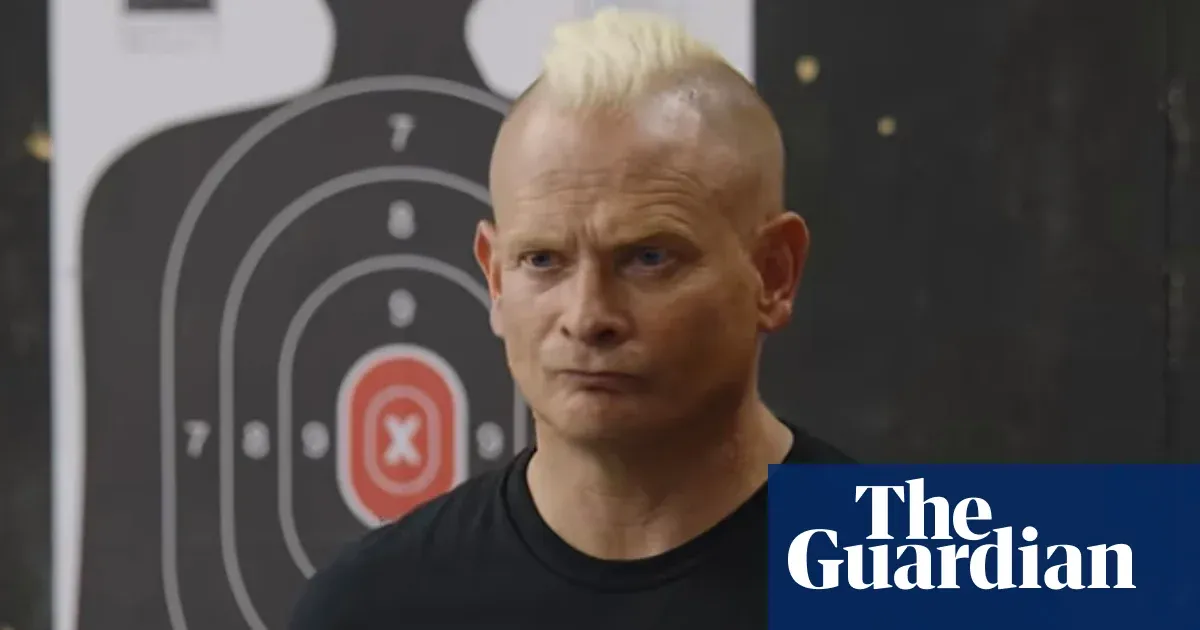
Ali G's 'stooge' says he was in on joke, outplayed Sacha Baron Cohen
A 54-year-old aspiring actor says he recognized Sacha Baron Cohen mid-shoot, kept his MAGA act up, and let the film-makers think they had fooled him.

Entertainer Russell Brand denies 7 sex charges amid accuser's 'couldn't breathe' claim
The alleged victim's account sharpens the reputational and legal stakes for Brand, his platforms, and any business tied to a public figure under criminal scrutiny.

Russell Brand's accuser 'bewildered and confused' as he denies 7 sex charges
The criminal case against the comedian is a live test of how media companies manage talent risk when serious allegations go public.