

Warner has to lock Barbie 2 deals by end-2026 or Mattel gets film rights back
The movie depends on finalized agreements with Greta Gerwig, Margot Robbie, and Ryan Gosling, with a hard 2026 clock.
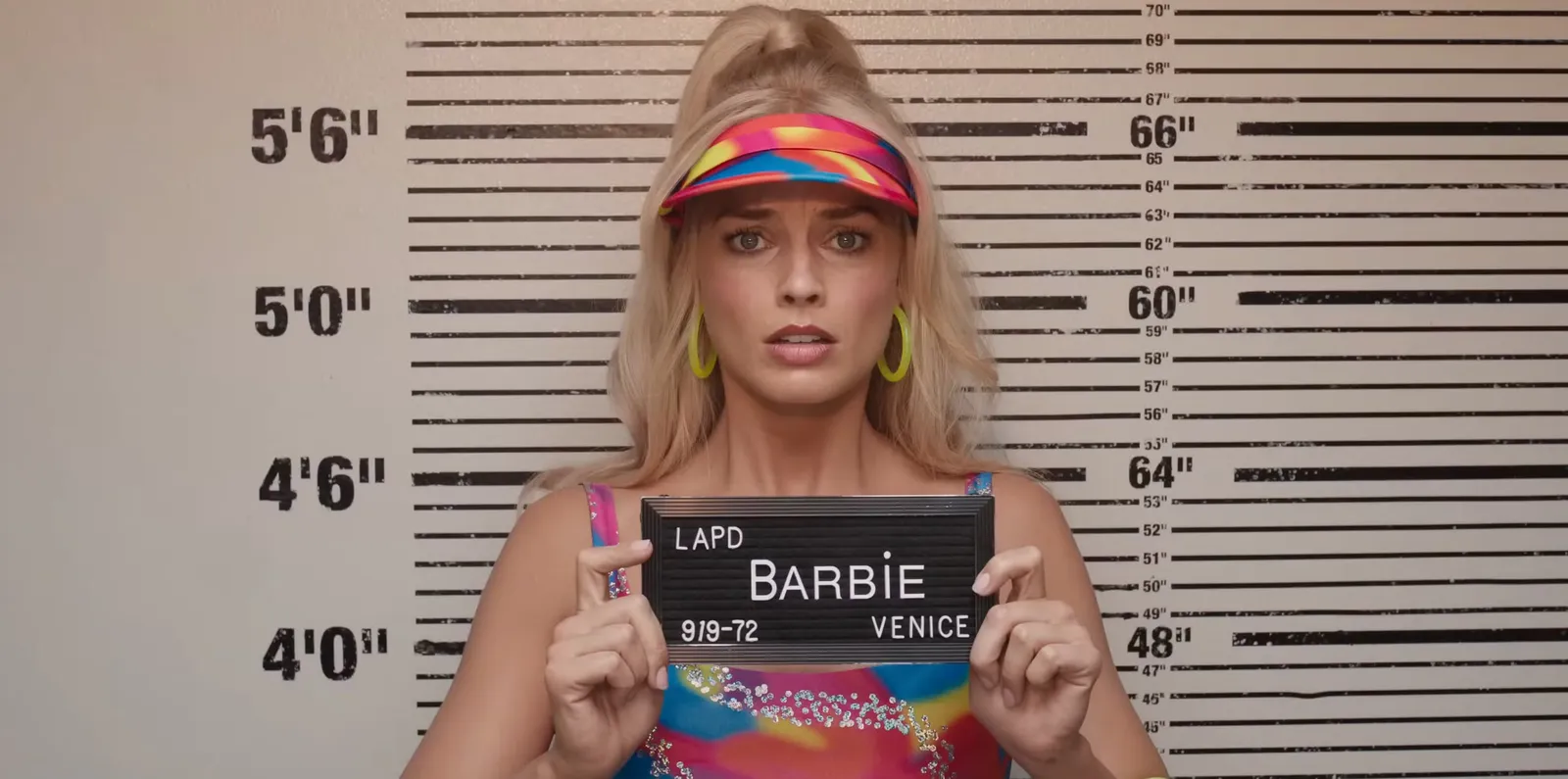
Warner Bros. needs to finalize deals for Barbie 2 with director Greta Gerwig and lead actors Margot Robbie and Ryan Gosling by the end of 2026. If Warner cannot, the film will not be made and Mattel gets the film rights back.
Warner Bros. has a deadline it cannot miss: by the end of 2026, it needs to finalize deals with Greta Gerwig, Margot Robbie, and Ryan Gosling for Barbie 2. If Warner cannot get those agreements done, Barbie 2 will not be made. Then Mattel gets the film rights back, meaning the next big attempt to build the next chapter of the brand moves out of Warner's hands.
That is the real story here. This is not just “do they want to do another one.” It is a rights and contracting hinge on a specific date, with specific names tied to whether the sequel exists at all. For decision-makers in media, that deadline matters because it turns creative availability into a legal and financial event. If the deals are not finalized by the end of 2026, the pipeline does not keep running in the background. It stops. And the rights return to the brand owner, Mattel, which changes bargaining power and negotiating leverage for everyone involved.
To understand why that is so consequential, zoom out to how big studio sequels usually get made. Studios try to secure key creative talent and star commitments early, because production requires certainty. But the deals also operate like a scoreboard. If key figures are available, studios can lock budgets, schedule production, and align marketing plans. If they are not, studios risk a cascade: delays that raise costs, repositioning that dilutes audience momentum, and, worst of all, rights structures that shift control.
In this case, the structure is explicit. The franchise potential of Greta Gerwig's Barbie will never be realized if Warner Bros. can't finalize deals with the director and lead actors by the end of 2026. That phrasing matters because it connects creative success to execution risk. “Franchise potential” is usually treated as a distant concept, but it becomes immediate when the rights clock is ticking. If the sequel cannot be made, Warner effectively forfeits the continuation value of a property it does not fully control going forward.
This is where board dynamics and capital allocation come in. Even when a studio has strong libraries, the sequel pipeline is a major lever for forecasting performance. When a project like Barbie 2 is conditional on wrapping talent deals by a specific date, leadership has to treat it like a binary bet with a deadline, not a “maybe later” initiative. Otherwise, the company can end up planning budgets and releases around a project that legally cannot proceed.
There is also a regulatory and compliance angle, even if the source does not spell out regulators by name. Film and entertainment contracts typically involve rights licensing terms, chain-of-title considerations, and stakeholder approvals that studios must manage correctly. When rights revert to the brand owner, Mattel, it usually means Warner no longer has the same freedom to move forward. That kind of reversion can force a reset in negotiation strategy, documentation, and approvals, all under time pressure. And in an environment where studios are sensitive to reputational and legal risk, that pressure can influence how aggressively teams negotiate.
For Mattel, the consequence is not abstract. Rights reversion is leverage. If Warner misses the end-of-2026 window, Mattel gets film rights back, which allows the brand owner to approach other studio partners, or to restructure how the next installment is financed and produced. In practical terms, that can change who gets to set the terms for creative involvement, distribution relationships, and downstream monetization across merchandising and licensing. Even if the creative dream remains the same, the business map becomes different.
For peers watching this, the strategic takeaway is blunt: talent contracting timelines are strategic infrastructure. In Hollywood, a director and two stars are not just creative icons. They are transaction-critical counterparties, and the deadline becomes a board-level risk. Warner's ability to finalize deals with Greta Gerwig, Margot Robbie, and Ryan Gosling by the end of 2026 determines whether Barbie 2 exists at all, and whether Mattel gets its film rights back.
This story's Key Insights and Take-aways are locked.
Create a free account to unlock Executive Actions for one credit.
Register to UnlockAlways free for Executives Club members. Join the Club
More in Entertainment
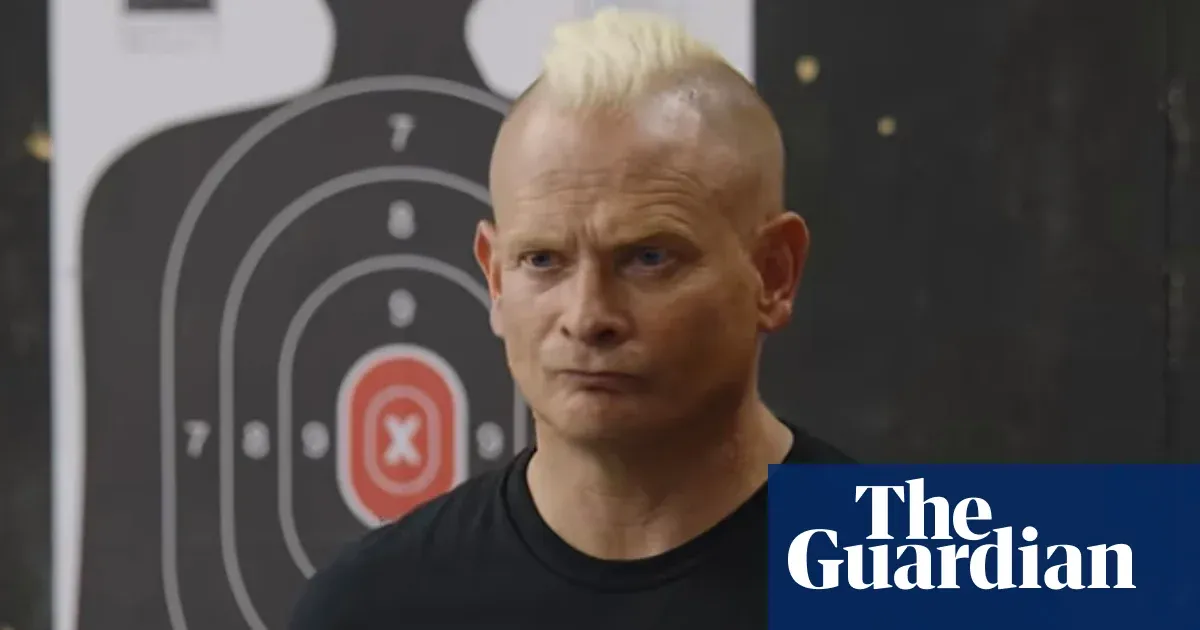
Ali G's 'stooge' says he was in on joke, outplayed Sacha Baron Cohen
A 54-year-old aspiring actor says he recognized Sacha Baron Cohen mid-shoot, kept his MAGA act up, and let the film-makers think they had fooled him.

Entertainer Russell Brand denies 7 sex charges amid accuser's 'couldn't breathe' claim
The alleged victim's account sharpens the reputational and legal stakes for Brand, his platforms, and any business tied to a public figure under criminal scrutiny.

Russell Brand's accuser 'bewildered and confused' as he denies 7 sex charges
The criminal case against the comedian is a live test of how media companies manage talent risk when serious allegations go public.