
Western art did not just follow empire, a new exhibition shows it helped build colonialism
The exhibit links Western artistic production to colonial aggression, reshaping how executives should think about cultural power.
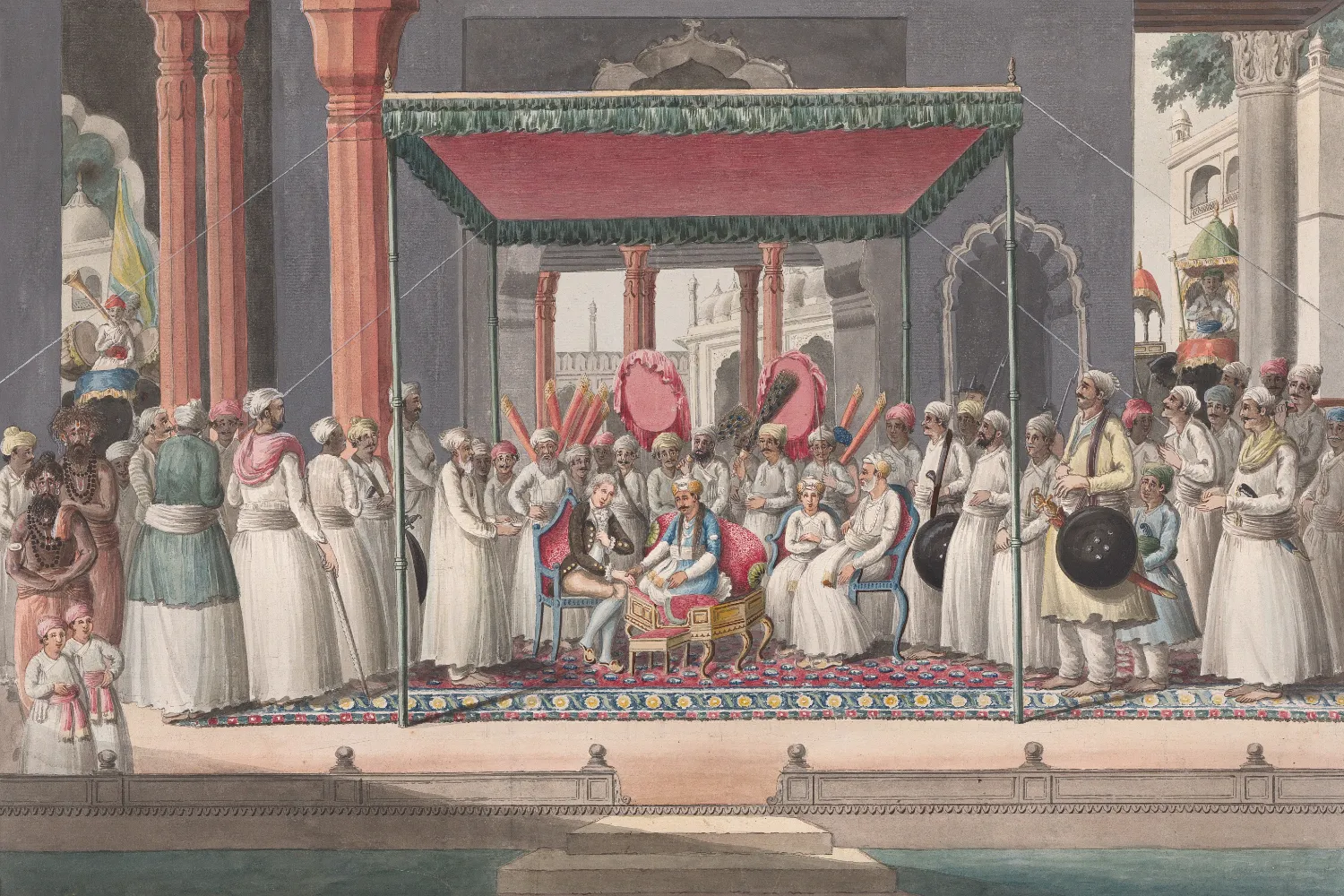
A new exhibition, highlighted by Foreign Policy, examines how Western art and colonial aggression made each other possible. For decision-makers, it raises reputational, governance, and stewardship questions whenever cultural institutions present colonial-era works today.
A new exhibition is making a blunt argument: Western art and colonial aggression did not operate in separate worlds. According to Foreign Policy, the show examines how each made the other possible, essentially treating colonialism and cultural production as co-authors of the same story.
That framing matters because it flips the default assumption many people carry about museums and art history. Instead of viewing colonial-era artworks as passive records of the past, the exhibition positions Western art as part of the machinery that normalized, legitimized, and helped rationalize the violence and extraction of empire. In other words, the aesthetic was not an innocent bystander. It was upstream.
To understand why this is landing now, it helps to remember how cultural institutions often evaluate risk and responsibility. Museums, galleries, and collectors tend to look at provenance, authenticity, and legal ownership, because those are measurable and tradable. Colonial-era works, however, come with another layer that is harder to quantify: the political economy behind the objects. If an exhibition convincingly connects artistic expression with colonial aggression, it forces institutions to ask whether their curation is merely interpreting history or actively participating in how that history is remembered and marketed.
Boards and executive teams feel that tension as soon as the conversation moves from scholarship into perception. The governance challenge is not only whether something was acquired legally, but what modern presentation signals. Western art in particular has long held a status that can read like cultural authority. When that authority is tied, even implicitly, to imperial projects, the reputational stakes get higher for leaders who rely on public trust, donor confidence, and institutional legitimacy.
There is also a funding and capital implication that shows up quietly. Institutions run on relationships, and relationships are sensitive to controversy. Even when legal risk is low, reputational risk can be immediate: media coverage, audience backlash, and sponsor discomfort can reorder priorities fast. A new exhibition that reframes Western art as enabling colonialism creates a new baseline for what stakeholders expect from museums and cultural organizations. That expectation can translate into board-level oversight, tighter review processes for acquisitions and exhibitions, and more resources devoted to historical research and public programming.
Regulatory and compliance frameworks are relevant, too, even when they do not fully capture the moral dimensions the exhibition raises. Many jurisdictions have grappled with questions around cultural property, restitution, and transparency, and the broader policy trend has been toward more scrutiny of how artworks change hands. Even if this specific Foreign Policy piece does not cite particular laws or cases, the second-order logic is clear: when scholarship and public narratives shift, regulators and oversight bodies often follow, or at least respond to increased pressure. Executives who treat culture as “soft” risk forgetting that culture is exactly where policy influence often begins.
Finally, this story has implications beyond museums. Corporate leaders increasingly invest in cultural initiatives, sponsor exhibitions, and build brand credibility through “heritage” and “education.” If the underlying narrative about how art relates to power is changing, the brand halo can crack. That does not mean every institution must reach the same conclusion on every artifact. It does mean that the question is no longer whether colonial history exists in the record. The question is whether leadership will assume that history is irrelevant to modern stewardship.
For peers in governance and executive roles, the strategic stake is straightforward: credibility. A credible museum or cultural organization must be able to explain what it is showing, why it is showing it, and how it accounts for the historical forces behind the works. Foreign Policy’s reported exhibition is pushing decision-makers toward a harder standard, one where art is evaluated not just for beauty or craft, but for the role it played in making empire possible.
This story's Key Insights and Take-aways are locked.
Create a free account to unlock Executive Actions for one credit.
Register to UnlockAlways free for Executives Club members. Join the Club
More in Politics

House again forces Iran war powers vote after Republicans join Democrats a second time
Second rebuke repeats the same pattern: a cross-party bloc demands authorization, raising new friction for the president.
No 10 North blueprint targets up to 300 staff in 18 months
A think tank plan sketches a sizable No 10 workforce timeline, forcing ministers to confront staffing, cost, and control fast.

Burnham backs 20% cut to English pub business rates, not hotels or restaurants
From next April, some hospitality firms get a discount but hotels and restaurants are left out of the 20% break.