
White House maneuvered to reshape boards protecting federal workers from unfair firings
A behind-the-scenes push to expand executive power could make nearly every federal personnel decision more political.
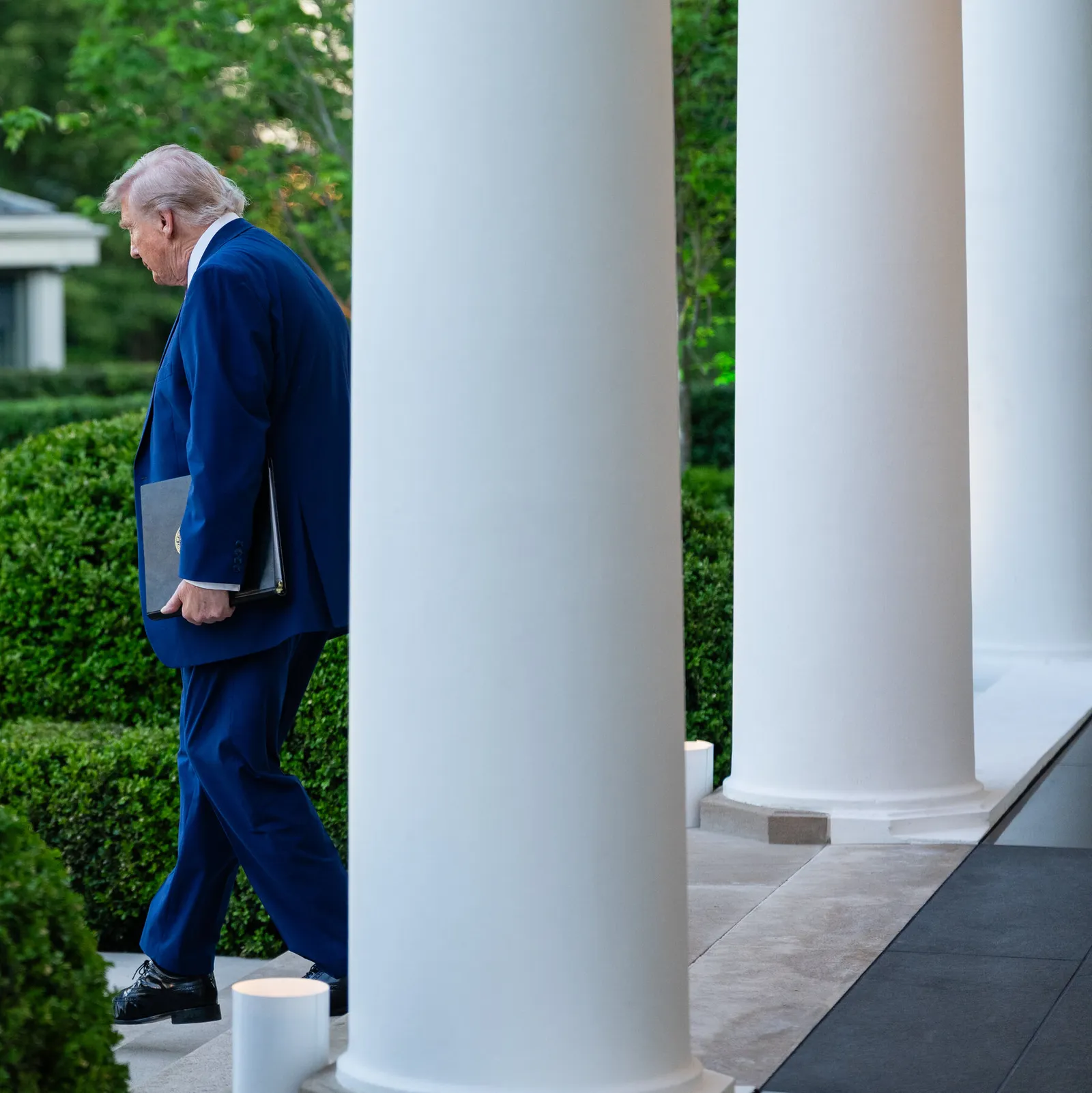
The Trump White House went to extensive lengths behind the scenes to advance its theory of executive power, affecting boards meant to protect federal workers from unfair firings. For decision-makers, it signals how policy goals can translate into personnel leverage across government echelons.
The headline problem here is simple, and it is not supposed to be simple: boards created to protect federal workers from unfair firings were, according to the reporting, quietly influenced by the White House. That matters because those boards are one of the few institutional checks between a career workforce and the whims of political leadership.
The second problem is what the reporting says the Trump White House was really doing. Behind the scenes, it went to extensive lengths to advance its theory of executive power, potentially giving the president remarkable leeway to install loyalists at nearly every echelon of government. In plain terms: the personnel system was not just being managed. It was being shaped in a way that could expand the reach of presidential control.
To understand why that is consequential, you have to understand what “boards meant to protect federal workers” are doing in the first place. The federal civil service system is designed to balance two competing truths. First, government needs competent staffing that can survive election cycles. Second, elected leaders still need the ability to implement priorities, including removing employees who do not fit. Boards and procedural protections are supposed to help keep that second goal from turning into an excuse for unfair termination.
When a White House advances an “executive power” theory, the fight tends to move from high-profile policy statements into the administrative machinery where decisions actually get made. That is where the incentive structure changes. If leaders believe they can influence or effectively pre-empt how boards operate, then the stakes for agency leadership, staffing, and long-run institutional independence get higher. Even if the board’s formal job is still to protect workers, the practical question becomes: protect them from what, and whose influence?
This is also where second-order effects kick in for anyone who interacts with government, whether as a contractor, regulator-facing executive, or investor. Federal hiring and firing decisions do not just affect individual careers. They can alter continuity in enforcement, procurement, and implementation. In the U.S., a lot of regulatory work is carried out through administrative discretion. That discretion depends on experienced staff, institutional norms, and relationships inside agencies. If leadership tries to “install loyalists” across echelons, those norms can get replaced faster than teams can adapt.
Boards that are supposed to be protective can also become a strategic layer in the broader governance contest. When the White House is “advancing its theory,” the theory is not only about authority in the abstract. It becomes a playbook for where checks and balances can be softened. In that environment, internal compliance culture changes. Managers and legal teams begin planning not just for what a policy requires, but for what a board is likely to tolerate, how leadership expects outcomes to look, and how quickly processes will move.
For decision-makers in adjacent roles, the lesson is not partisan. It is operational. When executive power expands in practice, it changes how risk is assessed across the civil service stack. That includes the risk of politicized personnel churn, which can ripple into program execution and into the reliability of agency actions that counterparties depend on. If boards are effectively less insulated than they were intended to be, the procedural expectation of fairness becomes less predictable.
Ultimately, the reporting’s core claim is about leverage and the distribution of control. By going to “extensive lengths” to advance its view of executive authority, the White House could give the president “remarkable leeway” to place loyalists across nearly every echelon of government. That is the kind of structural shift that does not stay within the headlines. It reshapes the incentives of career staff and political appointees alike, redraws how institutional independence functions in real time, and alters the operating environment for everyone who relies on federal agencies to act consistently, on schedule, and with rules that hold.
This story's Key Insights and Take-aways are locked.
Create a free account to unlock Executive Actions for one credit.
Register to UnlockAlways free for Executives Club members. Join the Club
More in Politics

House again forces Iran war powers vote after Republicans join Democrats a second time
Second rebuke repeats the same pattern: a cross-party bloc demands authorization, raising new friction for the president.

No 10 North blueprint targets up to 300 staff in 18 months
A think tank plan sketches a sizable No 10 workforce timeline, forcing ministers to confront staffing, cost, and control fast.

Burnham backs 20% cut to English pub business rates, not hotels or restaurants
From next April, some hospitality firms get a discount but hotels and restaurants are left out of the 20% break.