
Wyndham Clark leads US Open by four after halfway, while wind scrambles McIlroy and Scheffler
Clark’s cushion grows at the US Open as brutal wind conditions derail marquee names and reshape the leaderboard race.
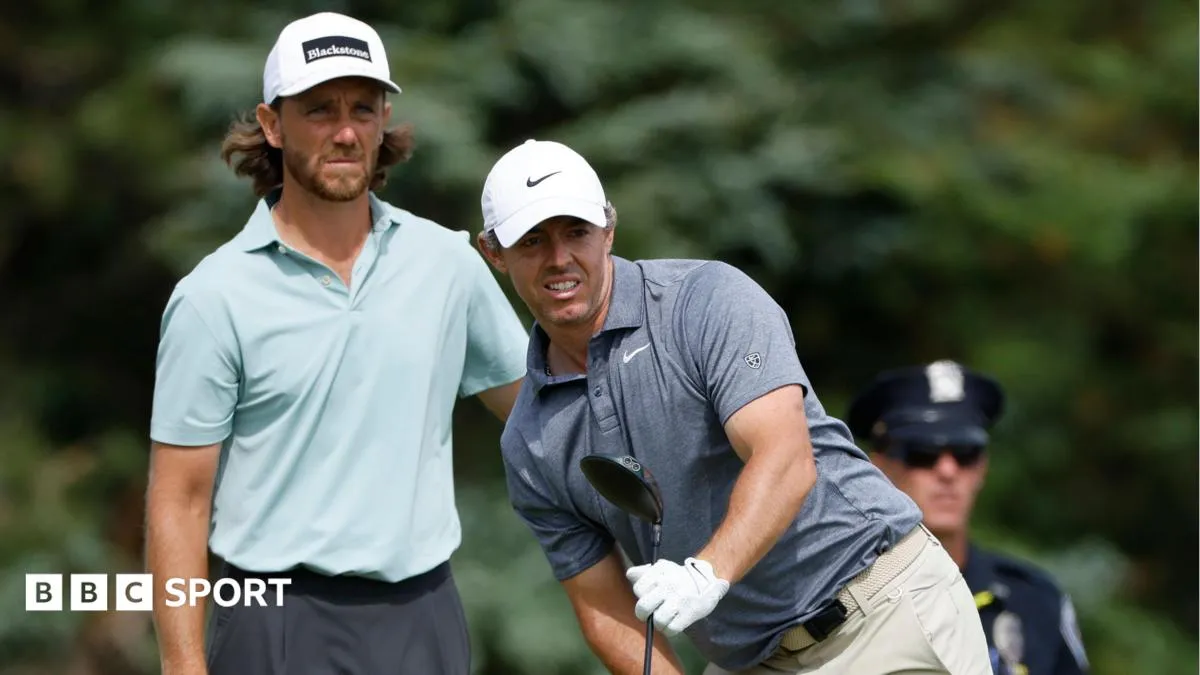
Wyndham Clark opened a four-shot halfway lead at the US Open, with England’s Matt Fitzpatrick among the closest challengers. The wind also hindered Rory McIlroy and Scottie Scheffler, a setup that turns a scoring tournament into a volatility test for contenders.
At the US Open, Wyndham Clark put himself in control early, building a four-shot lead at the halfway stage. The headline fact is simple and consequential: Clark is four ahead as the tournament moves into its second act, with England’s Matt Fitzpatrick sitting among the closest challengers.
The other half of the story is the environment. Wind hindered Rory McIlroy and Scottie Scheffler, which matters because the US Open is not just a test of skill. It is a test of who can keep decisions steady when the conditions change shot by shot. When the weather becomes an opponent, the “best swing” story gets replaced by a “best risk management” story.
That is why Clark’s halfway cushion is more than a number. In golf, a four-shot lead at mid-tournament is meaningful because it creates pressure from two directions. First, it forces the players below him to chase, which often leads to more aggressive lines and tighter margin decisions. Second, it lets Clark play a slightly more controlled game, aiming to protect the lead rather than win each hole in isolation. In a normal scoring week, variance is frustrating. In wind, variance becomes the whole game.
Matt Fitzpatrick being among the closest challengers adds another layer of competitive geometry. When you have a field where the gap is small enough for multiple players to threaten, the lead leader’s biggest danger is not one bad swing. It is the possibility that conditions swing in favor of a cluster at the top. If wind eases, or if it swings direction, scoring can suddenly compress. That is the second-order effect a board would call “regime shift,” except here the regulator is the atmosphere.
For McIlroy and Scheffler, the key detail is that the wind hindered them. That is not just a trivia line. It signals that, at least in the first half, even the players who typically handle pressure were less able to convert skill into stable scoring. In practical terms, wind changes club selection, ball flight expectations, and shot shaping. It also punishes mental drift. You can see it when a player tries to force familiar patterns instead of adjusting. The US Open often demands adjustment more than brute force, and wind makes refusal expensive.
For executives and investors watching sports for signals about performance under constraints, this is a familiar pattern. When conditions become unstable, “process” beats “talent” as a predictor. Companies do not get to choose the weather, but they do get to design decision-making systems for bad days. A golfer’s system is routine, shot-by-shot rules, and the ability to choose safer plays when high-risk options stop paying. The best operators treat volatility like an input, not an interruption.
The bigger strategic stake is how the leaderboard could evolve from here. With Clark already four ahead and Fitzpatrick close, the second-half question is whether wind continues to create chaos or whether it settles into something more predictable. If it stays difficult, leaders who manage risk and keep errors small can stretch leads even without “dominant” scoring. If it improves suddenly, those who were hindered earlier, including McIlroy and Scheffler, can turn around quickly because the scoring ceiling rises for everyone at once. In other words, the wind is a volatility multiplier for every contender’s fate.
That is why this US Open story feels like more than one player’s good start. It is a case study in control, in conditions, and in who can translate pressure into points when the environment pushes back. Clark’s halfway lead puts him in the driver’s seat, but wind ensures nobody can drive on autopilot. For the players in similar roles, the lesson is blunt: being close in calm conditions is not the same as being composed when the course starts fighting back.
This story's Key Insights and Take-aways are locked.
Create a free account to unlock Executive Actions for one credit.
Register to UnlockAlways free for Executives Club members. Join the Club
More in Entertainment

Prime Video’s Raakh leads global charts, while Spider-Noir drops to No. 3
The international run on Prime Video is reshuffling winners fast, and it is not dominated by US hits.

BOYNEXTDOOR launch first world tour with 33 shows across 22 cities
The K-pop sextet starts in Seoul July 17, adding North America and ending in Bangkok January 30, 2027.
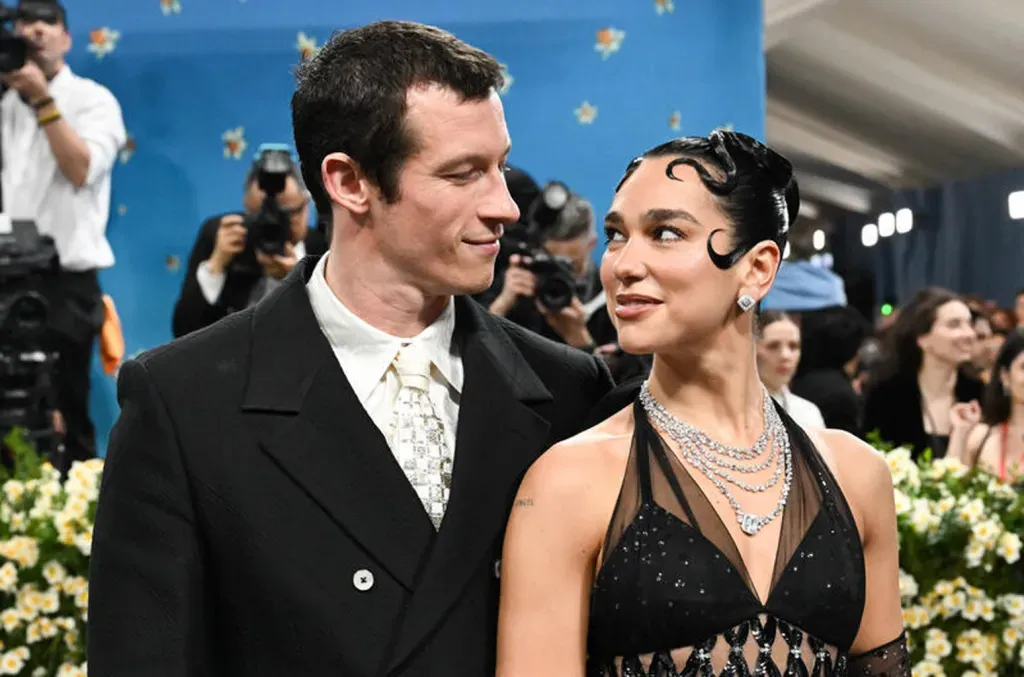
Dua Lipa posts “Mr & Mrs” from Sicily wedding as Elton John serenades “Your Song”
The singer and Callum Turner share second ceremony photos from Palermo, turning a celebrity moment into a brand moment.