

X-Men '97 fixes a 33-year X-Men continuity hole by confirming Archangel’s origin
Season 2 finally answers a long-running continuity question: where Archangel fits in the original team, and why it matters.
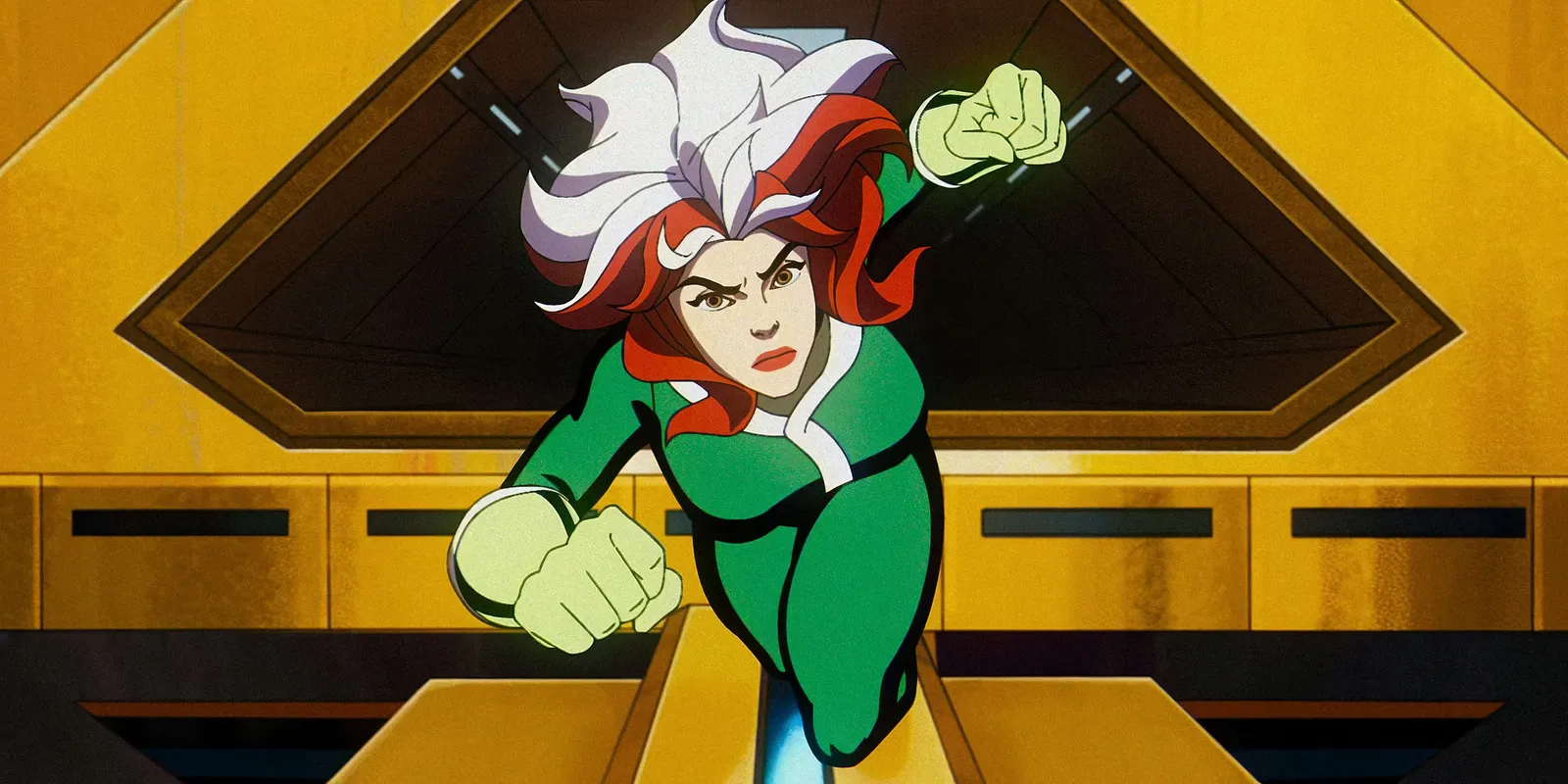
Disney+’s X-Men '97 is using Season 2 to correct a long-running continuity error tied to Archangel. The show officially confirms Archangel’s time as an original member of the X-Men, 33 years after the original issue.
Disney+’s X-Men '97 has taken on a problem that viewers have basically carried like a scratch-off lottery ticket for decades. In Season 2, the series is officially fixing the franchise’s biggest plot hole from the original run, and the key detail is Archangel. The show confirms Archangel’s time as an original member of the X-Men, a continuity question that has lingered for 33 years.
That may sound like nerd housekeeping. But in serialized storytelling, continuity is not trivia. It is the scaffolding that tells viewers what is “canon” when characters evolve, relationships shift, and the audience decides whether they trust the universe. X-Men '97 returned to the airwaves in 2024, and the series has already framed itself as a return to major Marvel momentum. The story is now moving into what the show signals as the age of Apocalypse, so Season 2 is not just filling gaps. It is making sure the past does not sabotage the future.
To understand why this kind of “fix” lands with real stakes, think about how long-running franchises behave. The original X-Men animated era and its follow-ups built character identities over time. When a continuity error persists for years, it becomes a lightning rod. Fans build theories. Debates harden. Even casual viewers absorb the confusion as background noise. And when a new season comes out, it arrives with a mandate: keep momentum while also resetting the relationship with your audience’s expectations. X-Men '97 is choosing to do that by addressing the specific mismatch around Archangel.
From a business lens, you can treat this as continuity risk management. Streaming series live and die by retention. Viewers do not just watch episodes, they build habits around “will this show respect what I already know?” Every time a franchise leaves a glaring internal contradiction unresolved, it can create friction for new viewers trying to enter the universe without a decoder ring. Fixing a major plot hole in Season 2 can reduce that friction. It gives the show a cleaner on-ramp, and it turns a long-running complaint into an engagement hook.
There is also an authenticity angle that matters in an era where audiences have more access than ever. The internet turns every discrepancy into a searchable claim, and the gap between “what was intended” and “what the text says” gets audited constantly. By officially confirming Archangel’s time as an original X-Men member, X-Men '97 is doing something that is easy to miss but powerful: it removes ambiguity from the record. That can help stabilize the canon conversation, because it becomes harder for future story beats to accidentally contradict earlier expectations.
And because the show has signaled it is heading toward the age of Apocalypse, the timing is strategic. Apocalypse storylines tend to force sweeping changes: alliances, power structures, and character roles all get stress-tested. When you are about to escalate the stakes that far, you want your foundation to be solid. Continuity holes are not just plot puzzles. They can become emotional obstacles, because audiences feel when rules shift without explanation. X-Men '97’s move in Season 2 suggests a deliberate approach: lock in the past so the escalation feels earned.
For decision-makers watching the media ecosystem, the second-order lesson is simple. Big franchises are increasingly competing on coherence, not just spectacle. When a show can transform a 33-year continuity error into an on-screen confirmation, it is effectively telling viewers, “We see the problem, and we are choosing to solve it.” That can increase trust, and trust is an intangible with very tangible consequences. More trust can mean better word-of-mouth. Better word-of-mouth can support ongoing viewership. And ongoing viewership is what streaming business models ultimately need, especially as seasons stack up.
So while the headline-level story is about Archangel and a continuity fix, the underlying message is about control. X-Men '97 is taking ownership of its canon and tightening the universe before it pushes further into Apocalypse-era chaos. If you are an operator or investor tracking long-form IP, this is the kind of move that signals longevity: fewer open wounds, fewer confusing contradictions, and a story world that feels internally consistent as it grows.
This story's Key Insights and Take-aways are locked.
Create a free account to unlock Executive Actions for one credit.
Register to UnlockAlways free for Executives Club members. Join the Club
More in Entertainment

Christopher Nolan’s “The Odyssey” posts his biggest Tuesday haul, surpassing “The Dark Knight’s” record
The film’s Tuesday breakout reframes Nolan’s box-office ceiling and forces competitors to rethink timing, budgets, and release strategy.

Kacey Musgraves cancels Aug. 20, 29, Sept. 2 Middle of Nowhere shows
Ticketmaster emails are telling fans refunds are coming, while the tour still starts Aug. 21 in Chicago.

Billie Joe Armstrong launches Epiphone Les Paul Junior and Marshall 1959BJA signature gear
Two limited releases turn decades of Green Day’s tone into branded hardware, including Marshall’s first artist amp in 14 years.