

Xbox goes translucent: Microsoft’s 25th-anniversary Series X revives OG Green
A translucent green Xbox Series X limited edition hits 1TB storage, pairing nostalgia with next-gen power.
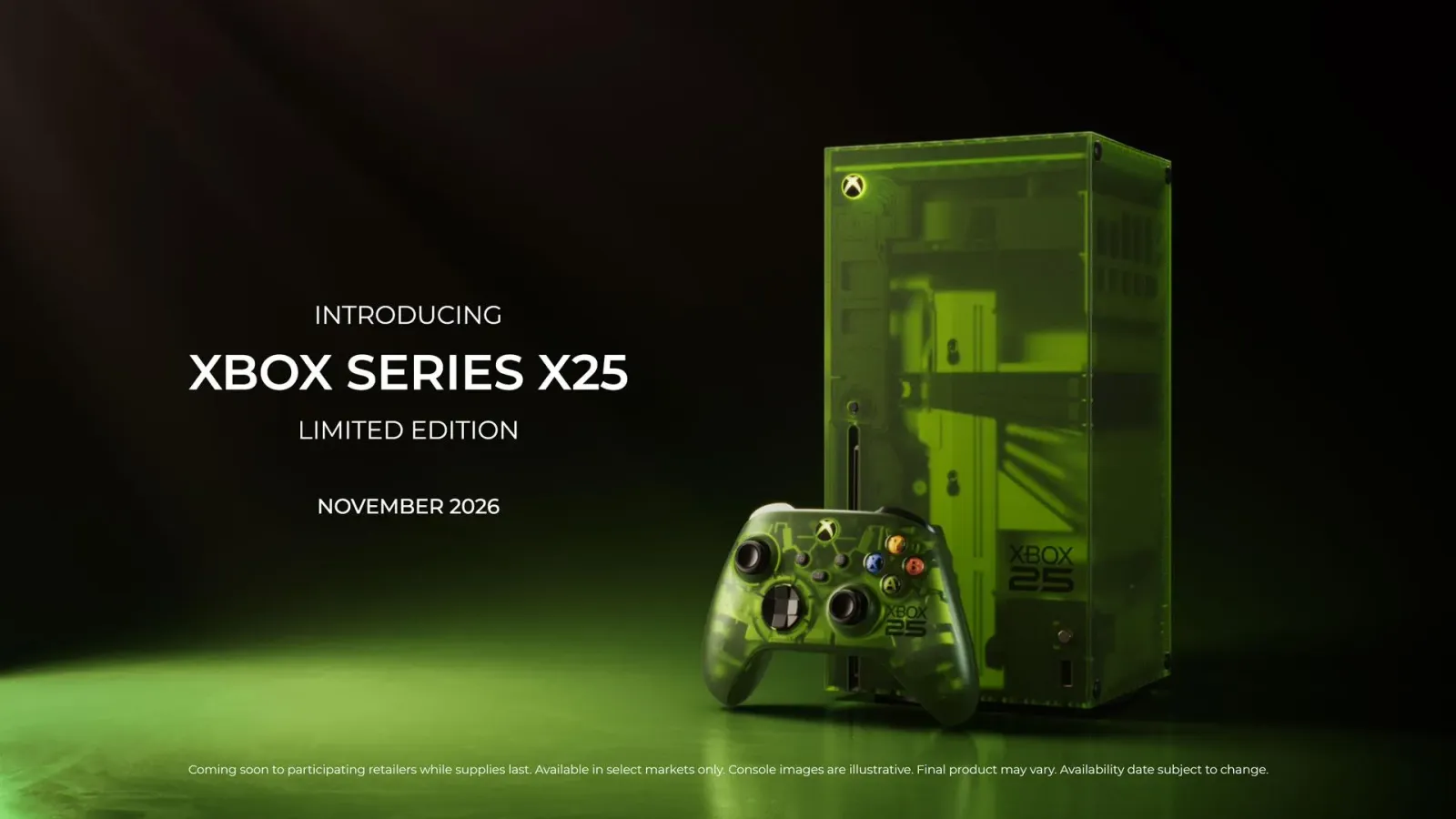
Microsoft is releasing an Xbox 25th anniversary console: a special edition Xbox Series X with translucent green styling inspired by the original Xbox. For decision-makers, it signals how Microsoft is using product design and platform value to keep Xbox’s brand relevance as competition tightens.
Microsoft is celebrating Xbox’s 25th birthday with a special edition Xbox Series X that is, notably, translucent green. The company built the Xbox 25th anniversary console with design cues from the original Xbox, and it goes all-in on the look by giving both the console and controller a translucent green finish.
Jason Ronald, VP of next generation, frames this as more than a cosmetic nostalgia trip. He says, “For the first time, we're bringing a translucent design to Xbox Series X, drawing inspiration from the original Xbox and OG Green so many players remember.” His point is direct: this limited edition “respects our history,” while still keeping the core of what Series X stands for, including “the power and performance of the Xbox Series X,” plus “1 TB of storage.”
If you are an exec, investor, or operator watching the console market, the interesting part is how clearly Microsoft ties brand signals to product utility. Most “anniversary editions” stop at aesthetics. This one also anchors the value proposition with a specific functional spec. “1 TB of storage” matters because it is the kind of detail customers feel immediately, especially as games, updates, and downloadable content keep growing. It is a small line item, but it reinforces the broader narrative: nostalgia should not come at the expense of staying current.
There is also a quieter but real strategic implication: Microsoft is betting that the Xbox identity still earns attention in 2026-era consumer tech, where hardware cycles are long and audience habits are sticky. By reintroducing a translucent design language that was associated with the original Xbox era, Microsoft is leaning into a visual memory that players can recognize instantly. That is branding, but it is also product differentiation. In a world where many consoles are visually “black rectangle” by default, translucent green is a deliberate choice to stand out.
On the product-design side, translucent finishes are not just about style. They often involve different materials and manufacturing considerations than opaque shells. While the source does not get into engineering specifics, the headline fact is still actionable for decision-makers: Microsoft is willing to spend design complexity to create a collectible feel, and the collectible feel is aimed at players who care about Xbox history.
From a market dynamics perspective, this is happening as the console space increasingly overlaps with broader entertainment ecosystems. Consoles are no longer only devices; they are access points to subscriptions, game libraries, social play, and content delivery. Limited editions can therefore act like marketing multipliers. The translucent green look is a conversation starter, which can pull fence-sitters into the Xbox ecosystem by making the hardware feel like part of a larger story, not just a new box to buy.
There is also a governance and compliance angle that matters to leadership teams, even when the story looks purely consumer-facing. Microsoft is making a hardware product that is explicitly tied to a visual “OG Green” identity. For companies in this category, design and branding can intersect with regulatory and safety requirements around materials, surface finishes, durability, and product labeling. The source does not cite any regulatory action or filings, but the second-order point for boards is consistent: when you introduce a new physical design approach, you still need the same discipline on procurement, quality control, supply chain reliability, and consumer safety standards.
Strategically, the stakes for peers are straightforward: Microsoft is using an anniversary moment to reinforce that the Xbox Series X platform is both modern in performance and respectful of the franchise’s origins. Ronald’s message is a balancing act. “For the first time” a translucent design is coming to Series X, but it is not a detour from capability. It is paired with “1 TB of storage” and the “power and performance of the Xbox Series X.” For other hardware and platform leaders, that is a template worth studying: win attention with a distinctive product idea, then immediately repay it with concrete, spec-level value. If you do not, anniversary editions can become empty shelf ornaments. If you do, they become a brand and retention tool built directly into the device.
This story's Key Insights and Take-aways are locked.
Create a free account to unlock Executive Actions for one credit.
Register to UnlockAlways free for Executives Club members. Join the Club
More in Technology

OpenAI says 10,000 agents cracked a 90-year math problem in 88 hours
The company's claim is audacious, but one mathematician is pushing back. Here's what it means for AI-driven discovery.
Meta still serves child sexual abuse ads on Instagram in India - BBC report
A new report following the BBC Eye investigation says the ads are still there - what it signals for every platform with a self-serve ad engine.
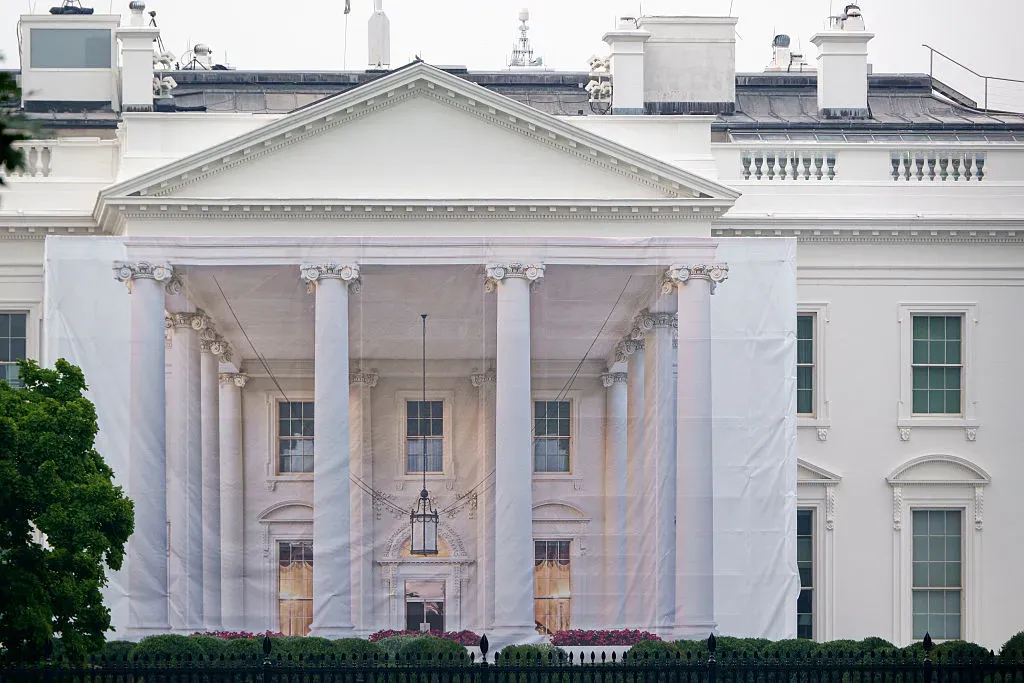
White House yanks 'Build the Wall' game after Tetris Company copyright warning
The administration's arcade game vanished in hours - and the takedown playbook every brand can learn from.