
Xenoblade Chronicles 2: Nintendo Switch 2 Edition adds Momo, igniting 20-year Xenosaga hopes
A new equipable Blade ties back to Xenosaga after years of dormancy, raising fresh questions about IP rights and modern reboots.
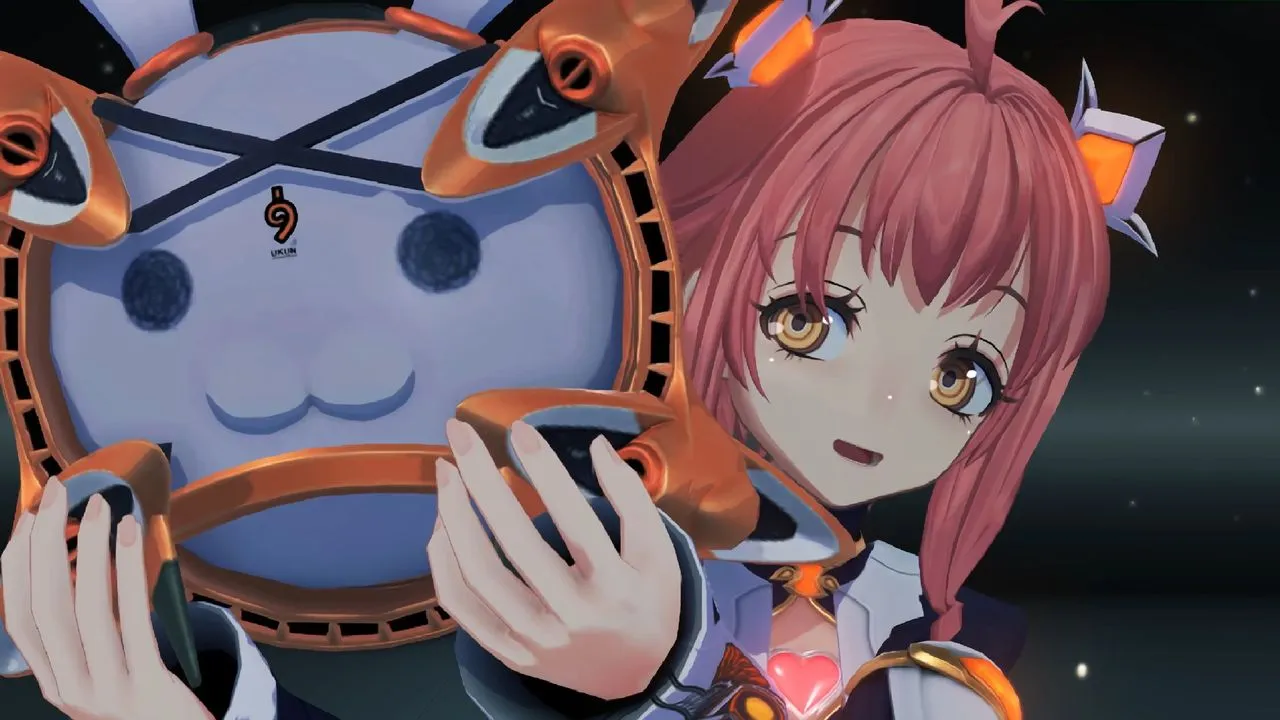
Monolith Soft, in Xenoblade Chronicles 2: Nintendo Switch 2 Edition, is adding Momo from the dormant Xenosaga series as a new equipable Blade. The cameo matters because it rekindles pressure on the IP owner question and spotlights how quickly JRPG franchises can re-enter the market.
Momo is back. In the upcoming Xenoblade Chronicles 2: Nintendo Switch 2 Edition, Monolith Soft will add Momo from Xenosaga as a new equipable Blade, letting players swap between two forms to change her appearance and elemental affinity, according to Nintendo’s new trailer. After nearly two decades since the final Xenosaga game launched on PS2 in 2006, this is the kind of signal that makes fans sit up fast. It also creates a real business question for decision-makers in games: when a beloved IP goes quiet for years, what exactly does it take to pull it back into mainstream conversations?
This cameo matters because it is not happening in a vacuum. Xenoblade Chronicles 2 already included other cross-over Blade-style appearances from Xenosaga, specifically KOS-MOS and T-elos, which had similar showings in the game. Momo’s inclusion is different in timing and mood. It lands after a long stretch where Xenosaga, despite its fanbase, has effectively been on ice. The source describes the series as dormant, and it is not just vibes. No entry in the Xenosaga series has gotten a modern remake, remaster, or rerelease since Monolith Soft and the franchise’s path diverged.
To understand why Momo’s return feels like a reckoning for the JRPG market, you have to rewind to how the IP ended up where it did. Monolith Soft developed the Xenosaga games under Namco, and Namco maintained control of the IP as it morphed into Bandai Namco. That ownership history matters because IP control determines what can be shipped, who can monetize it, and whether a revival is even possible without new agreements. Monolith Soft was acquired by Nintendo in 2007, and Nintendo’s studio then created the Xenoblade series as a spiritual successor to Xenosaga. That succession relationship explains the “spirit lives on” point: even while Xenosaga stayed largely absent from modern storefronts, Xenoblade games carried enough DNA to keep hope alive.
But hope is not a strategy, and the source points out why some fans are reading financial and legal tea leaves into this trailer moment. One oddity: Xenosaga no longer appears as one of Bandai Namco’s owned IPs on the company’s official website, with the removal happening just last year. Another oddity: the Momo trailer reportedly does not include copyright or trademark notes attributed to Bandai Namco, unlike trailers showcasing other Nintendo crossovers with third-party publishers, such as those in Super Smash Bros. In games publishing, these details can indicate who is licensing what. They can also simply reflect trailer production habits. Still, for fans, the pattern is compelling enough to fuel a theory that Nintendo has acquired the Xenosaga IP, reuniting rights with the original development studio.
Here’s the exec-relevant translation: if the theory is correct, you would be looking at a rights consolidation play that turns a “spiritual successor” into a more direct product opportunity. If it is not correct, you still get an important signal. Nintendo and Monolith Soft are willing to keep Xenosaga characters visible in Xenoblade. That suggests the IP is not completely locked away, even if a full modern Xenosaga revival has not happened yet. Either way, Momo’s cameo highlights how JRPG publishers can use adjacent, high-visibility franchises to maintain brand heat, test audience appetite, and preserve narrative familiarity without committing to a full reboot.
There is also a second-order effect on how boards and investors should think about platform cycles. The source ties this to the upcoming Nintendo Switch 2 Edition of Xenoblade Chronicles 2. Hardware transitions are when publishers either cash in on established demand or stumble into compatibility and adoption risks. Adding a dormant franchise character as an equipable Blade is an example of reducing that risk with a built-in audience lever. It is not just a nostalgia wink. It is an attention strategy aimed at both long-time JRPG fans and newer players who might not have encountered Xenosaga on PS2.
Finally, the reason executives should care even if they never touch Xenosaga is the broader lesson about dormant IP. When an IP is trapped behind ownership complexity, fans wait. Over time, that wait becomes pressure, not only sentiment. In Momo’s case, the cameo becomes the headline because it sits at the intersection of development credibility (Monolith Soft), platform opportunity (Switch 2 Edition), and rights ambiguity (Bandai Namco’s website listing change and the trailer’s trademark note omission). Whether Nintendo controls Xenosaga outright or not, the practical stake is the same: modern JRPG publishing is increasingly about turning “quiet” catalogs into visible, playable experiences, and doing it fast enough to ride platform momentum.
This story's Key Insights and Take-aways are locked.
Create a free account to unlock Executive Actions for one credit.
Register to UnlockAlways free for Executives Club members. Join the Club
More in Entertainment

Ali G's 'stooge' says he was in on joke, outplayed Sacha Baron Cohen
A 54-year-old aspiring actor says he recognized Sacha Baron Cohen mid-shoot, kept his MAGA act up, and let the film-makers think they had fooled him.

Entertainer Russell Brand denies 7 sex charges amid accuser's 'couldn't breathe' claim
The alleged victim's account sharpens the reputational and legal stakes for Brand, his platforms, and any business tied to a public figure under criminal scrutiny.

Russell Brand's accuser 'bewildered and confused' as he denies 7 sex charges
The criminal case against the comedian is a live test of how media companies manage talent risk when serious allegations go public.