

YHWH Nailgun turned its 11-minute LP into a visual album with an 11-minute music video
The New York experimental rockers released a music video built around their new 11-minute LP, blurring how fans consume songs.
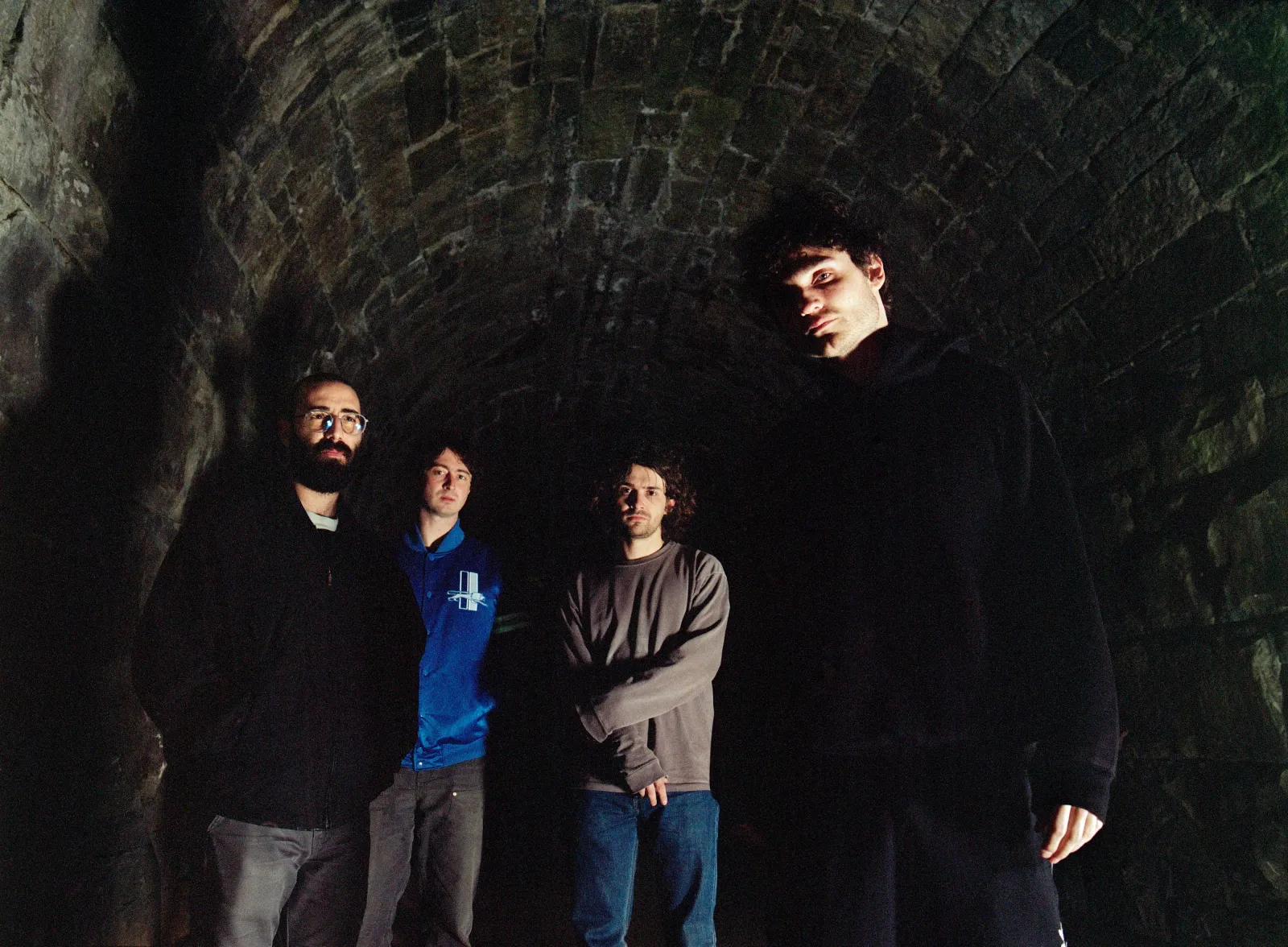
YHWH Nailgun, a New York experimental rock band, has shared a music video that is set to their new 11-minute LP. For decision-makers, the release signals how labels and artists are treating video as the primary product, not marketing.
YHWH Nailgun just did something sneakily bigger than “here’s a new song.” The New York experimental rockers shared a music video set to their new 11-minute LP, effectively packaging the audio release as a visual album.
In plain terms, if you heard the phrase “visual album,” you might think of legacy pop rollouts with huge budgets and clear commercial intent. This is different. Here, the hook is the format itself: the band is putting the entire 11-minute LP experience into a music video, so the viewing experience is not an afterthought. It is the delivery mechanism.
That matters because the industry has been inching toward one consistent truth: attention is the scarce resource, and format is how you capture it. Audio is still powerful, but video compresses discovery, engagement, and replays into one stream. When artists build a music video around a full-length project, they are not only asking fans to press play. They are asking them to watch through the arc of an LP, in one sitting or in repeated sessions that reinforce the same structure.
From an operator or investor lens, this is an intentional distribution choice even when it is not marketed as one. Historically, music videos were often single-based, tied to one track meant to pull listeners into the album. A “visual album” flips that relationship. The project comes first, the visual layer becomes part of what the work is, and the video’s pacing can shape how listeners perceive sequencing, themes, and emotional payoff. In other words, the album is no longer just a set of songs. It is a timed experience.
Second, there is an incentives question lurking behind the creative decision. Labels, management, and platforms are all optimizing for retention and repeat consumption, because that is what translates into measurable performance: plays, watch time, and algorithmic favor. A video designed for an 11-minute LP gives you a single piece of content that can generate engagement signals over a coherent runtime. If fans treat it like “the project,” not “a clip,” it can also reduce the drop-off behavior that harms longer, audio-only listening sessions on some platforms.
Now add the regulatory background. Music video content sits at the intersection of copyright and platform governance, meaning it is subject to the same basic rights management as audio, plus additional considerations like visual elements. While the source does not mention any legal filings or compliance decisions, it is still useful context for executives: when distribution shifts toward video-first formats, rights clearance can become more complex in practice because visuals can involve different rights holders, licensing scopes, and takedown mechanics. That is not a reason to avoid it, but it is part of the operational reality companies have to manage when they scale releases across platforms.
There is also a business implication for boards and cross-functional teams that oversee marketing, product, and rights. A release presented as a visual album can blur internal lines between creative production and content strategy. Marketing teams often measure success with traditional cadence metrics, but video-first projects push a more product-like mindset: the content has to be engineered for engagement, not just released for awareness. Creative teams, meanwhile, may find their choices constrained by what works visually across different feeds and viewing contexts.
Finally, the strategic stakes for peers are straightforward. YHWH Nailgun’s choice reinforces that the format conversation is not just about bigger budgets or mainstream visibility. Even experimental artists can reshape the release experience by aligning the audio runtime with a video presentation that carries the entire project. If more acts follow that approach, executives should expect a continued shift: streaming libraries may become less of a “search and queue” environment and more of a “watch and stay” environment, where how work is packaged influences both discovery and fan behavior.
For decision-makers, the takeaway is not that every LP needs a video. It is that the market is increasingly rewarding releases where the creative package is cohesive across media. In a world where attention is bought with formats, an 11-minute LP delivered as an 11-minute visual album is a clear signal of where the industry is testing the next default.
This story's Key Insights and Take-aways are locked.
Create a free account to unlock Executive Actions for one credit.
Register to UnlockAlways free for Executives Club members. Join the Club
More in Entertainment

Extraction 3 starts filming on Netflix, with Chris Hemsworth and Idris Elba returning
The hit action franchise is back in production, turning Netflix’s blockbuster sequel plans into a live, measurable pipeline.
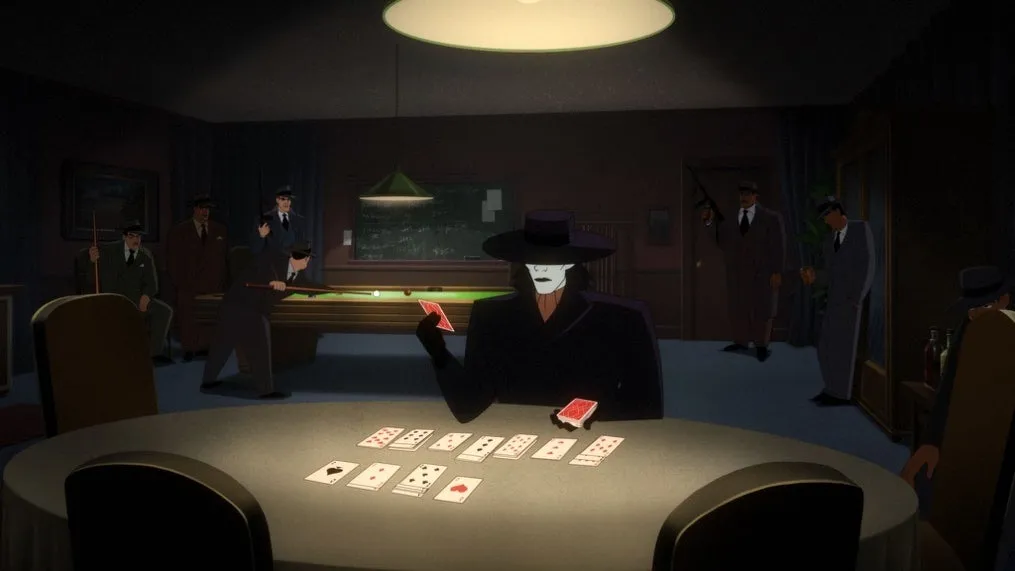
Matthew Needham voices The Joker in Batman: Caped Crusader Season 2
Prime Video confirms the casting from Comic-Con, with Season 2 launching July 31 alongside the new game.

Amazon’s Batman game launches July 31 with Prime, using phones as controllers
Batman: Caped Crusader - Chronicles drops alongside Season 2, and Prime members get it at no extra cost.