
YouTube captures 65%+ of Japan VOD hours, with 2.8B watched hours
A new AMPD Analytics read shows YouTube is the default screen for Japanese on-demand viewing, across news and baseball.

AMPD Analytics research says YouTube commands more than 65% of Japan’s video-on-demand hours and that Japanese audiences watched 2.8 billion hours of content. For executives, this quantifies how central YouTube is to Japan VOD engagement and where content categories are already concentrating attention.
YouTube dominates Japan’s video-on-demand landscape, controlling more than 65% of total VOD viewing hours, according to research shared by Deadline and powered by AMPD Analytics. The data also puts a concrete number behind the scale: Japanese audiences watched 2.8 billion hours of content.
This is not a “people are using YouTube” vibe check. It is a measurement of behavioral time, and time is the real currency in streaming. AMPD’s behavioral data indicates YouTube takes the majority share of Japan’s VOD hours, and it also points to what audiences are actually choosing to watch within that time, with news and baseball leading the way by genre.
To understand why that matters for decision-makers, start with how VOD platforms compete. Most streaming strategies sound like programming decisions, but they ultimately turn into distribution and engagement decisions. Whoever owns the default destination for viewing time gets more opportunities to influence what happens next: what gets recommended, what gets watched end-to-end, and what advertisers and partners treat as the “safe bet” inventory. When one platform accounts for more than 65% of hours in a market, it becomes hard to build a sustainable content business there without an explicit plan for that reality.
There is also a subtle but important point here: AMPD’s dashboard intelligence tool is specifically framed around behavioral data and viewing hours. That matters because hours are a proxy for attention that usually correlates with monetization leverage. If audiences are spending a dominant portion of their on-demand time on one platform, then budgets, measurement, and even internal roadmaps at media companies tend to bend toward whoever can reliably deliver those hours.
The Japan streaming market is particularly sensitive to “where attention goes” because the competitive set includes both local and global platforms, and because content preferences can be genre-specific. AMPD’s note that news and baseball lead the way by genre is a reminder that streaming demand is not generic. When a platform holds the majority of viewing hours, the genres that rise within that platform can shape what partners prioritize, what formats win, and what kinds of coverage get treated as must-have. In other words, YouTube’s share is not just a number. It is a sorting mechanism for categories.
From a regulatory and corporate governance angle, the dominance implied by “more than 65%” also raises the kind of questions boards ask when platform concentration gets high, even if nothing in the Deadline piece directly claims regulatory action. Regulators worldwide have increasingly looked at competition and market power in digital video, especially around discovery, advertising technology, and data-driven targeting. When one platform is the primary gateway for VOD viewing hours in a country, the governance question becomes: how much leverage does that create over the content ecosystem, and how transparent are the rules of the game.
For creators, publishers, and media executives planning budgets, this research strengthens the case that YouTube is not a secondary channel in Japan. It is where a majority of on-demand viewing hours already concentrate. For investors and operator teams, the second-order implication is straightforward: partnerships, performance marketing, and audience measurement likely need to be designed around a platform that captures most of the market’s viewing time.
The strategic takeaway is simple but sharp. If Japanese audiences already spend 2.8 billion hours watching content in the VOD ecosystem measured by AMPD, and YouTube alone accounts for more than 65% of those hours, then any company aiming to reach Japanese viewers at scale has to treat YouTube as the center of gravity, not just another distribution outlet. In a world where attention is finite, dominating the majority of viewing hours is domination by schedule, not by slogan.
This story's Key Insights and Take-aways are locked.
Create a free account to unlock Executive Actions for one credit.
Register to UnlockAlways free for Executives Club members. Join the Club
More in Entertainment
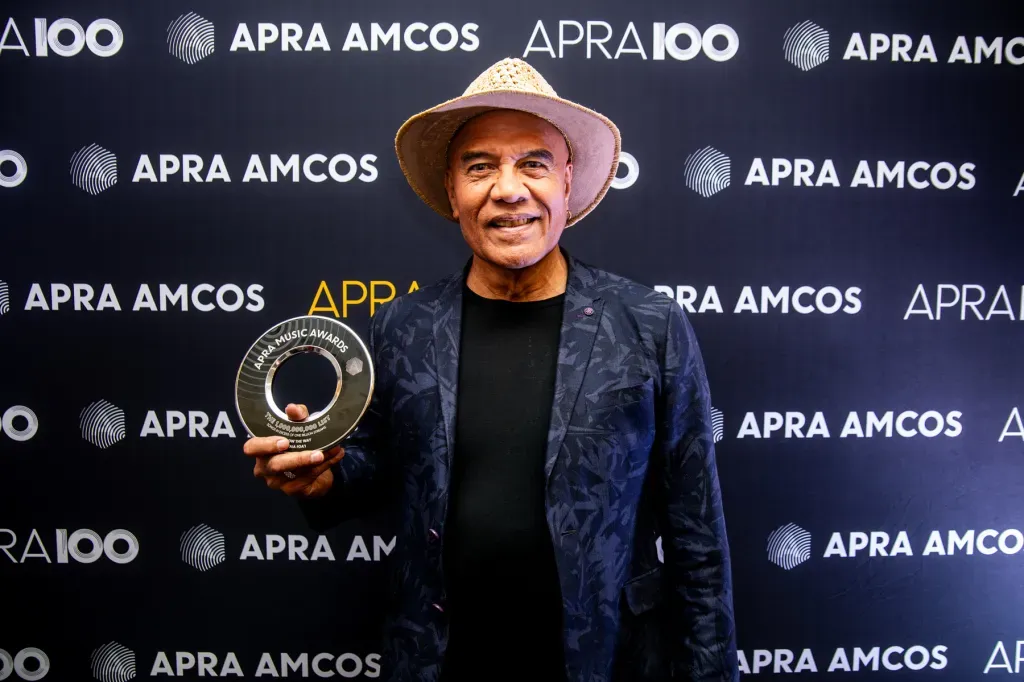
Opetaia Foa’i wins APRA AMCOS Billions Award for Moana’s “We Know The Way” streams
A billion-stream recognition for a Pacific-language ballad signals how PRO incentives and global platforms shape credit.

Johnny Depp returns as Scrooge with “Ebenezer,” his first major studio film since Amber Heard trial
A new Ti West take on A Christmas Carol reunites Depp with big-studio scale, reigniting questions about brand, risk, and momentum.

Sung Kang admits Fast and Furious “lost our way,” wants Drifter lessons for final movie
The star behind the camera says the franchise risks drifting from its street-racing roots. Here’s what that means for the endgame.