

Zorro gets a series reboot after 107 years, reviving the masked superhero blueprint
The century-old vigilante is finally landing a new TV run, and it is likely to differ from every prior adaptation.
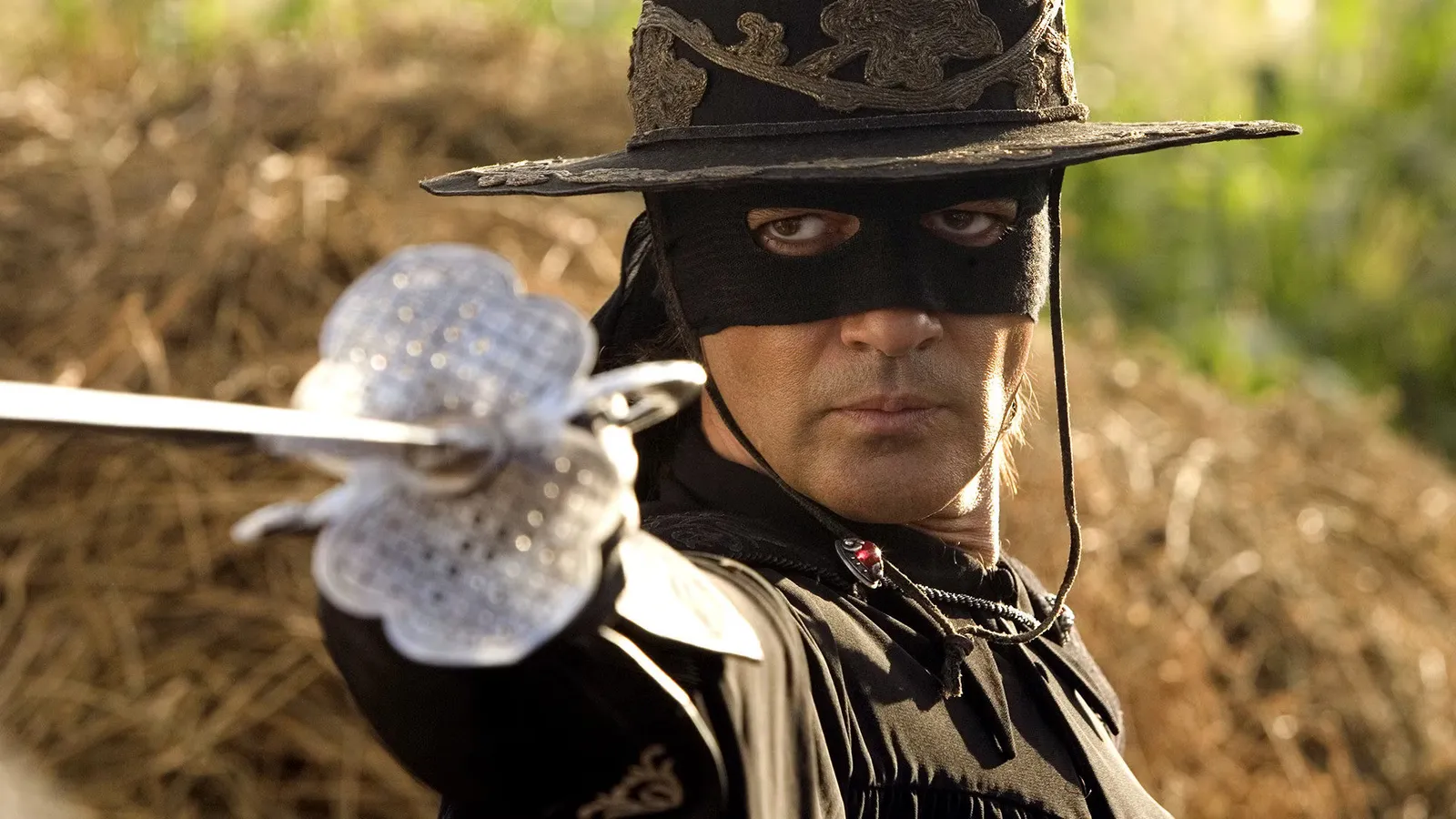
Zorro, pop culture's earliest masked vigilante, is returning with a series reboot more than 107 years after his first appearance. The development matters to decision-makers because it signals a fresh way the market may repackage foundational IP for modern audiences.
More than a century after Zorro first appeared, the masked swordsman is finally getting the series reboot he deserves. Zorro is not just another legacy character. He is often credited as one of the earliest fully crystallized versions of the “masked superhero” concept, and his influence stretches across generations of storytelling.
That is the key headline stake: this reboot is not simply another retelling. The latest jump back into the character’s world is described as set to be unlike anything that has come before, even though Zorro has already spawned dozens of adaptations over the years across film, television, and other media.
For executives and operators, that matters because the entertainment business runs on a familiar cycle: recognize the brand, trust the fan memory, and then iterate just enough to keep it profitable. Zorro gives you the “recognized brand” part in full. He has been a reliable well of masked hero DNA for decades. The problem with legacy IP is that “recognizable” can also become “predictable,” and predictable often means you sell the same product with a new coat of paint.
The reason Zorro’s reboot is interesting is that the source frames it as a break from precedent, not a gentle continuation. The character’s historical role is that he helped define a pop culture template: a masked figure, a vigilante mission, and a sword-wielding persona that is both theatrical and functional. That template is why Zorro has been cited as inspiring modern heroes, including Batman. When you have an origin story for a whole genre of mainstream superheroes, the modern decision is not whether to adapt the IP, but whether to refresh the underlying promise.
There is also a softer, but real, industry dynamic at play. When a character has “dozens of adaptations,” you can treat the back catalog as a database of what worked and what did not. The risk for studios and streamers is that too many prior versions teach the audience what to expect. A reboot that is “unlike anything before” is essentially a bet that the audience is ready for a different viewing contract, even if they show up because the name is Zorro.
From a governance and compliance standpoint, there is no specific regulatory action cited in the source. But in media strategy terms, regulatory background always lurks behind the scenes. Screen content decisions are shaped by classification systems, platform standards, and regional broadcast or streaming rules. Even without new regulation mentioned here, modern reboots still need to thread the needle between heritage tone and contemporary guidelines. That is especially relevant when you bring back a character whose appeal is rooted in dramatic action and moral conflict, because “updated” frequently means adjusting how violence, heroism, and suspense are presented.
The second-order implication for boards and capital allocators is simple: foundational IP can still move, but only if leadership prevents it from becoming a museum piece. Zorro’s long legacy is a double-edged sword. The series reboot being positioned as materially different implies that the project is likely being treated as more than a nostalgic re-run. It is being treated as a product with a new competitive angle in the streaming and TV landscape, where audiences can switch quickly if the new version does not justify the watch.
And the strategic stakes expand beyond Zorro. If a century-old character can be rebooted in a way that claims novelty, it sets a benchmark for other legacy properties trying to stay relevant. For peers managing their own catalog and development pipeline, the lesson is not that every old franchise should be revived. It is that longevity alone does not guarantee demand. What matters is the ability to deliver a fresh experience while still leveraging the original concept people remember. In other words, if you are building the next “masked superhero” era, you do not just resurrect the mask. You redefine why it still fits.
This story's Key Insights and Take-aways are locked.
Create a free account to unlock Executive Actions for one credit.
Register to UnlockAlways free for Executives Club members. Join the Club
More in Entertainment

Christopher Nolan’s “The Odyssey” posts his biggest Tuesday haul, surpassing “The Dark Knight’s” record
The film’s Tuesday breakout reframes Nolan’s box-office ceiling and forces competitors to rethink timing, budgets, and release strategy.

Kacey Musgraves cancels Aug. 20, 29, Sept. 2 Middle of Nowhere shows
Ticketmaster emails are telling fans refunds are coming, while the tour still starts Aug. 21 in Chicago.

Billie Joe Armstrong launches Epiphone Les Paul Junior and Marshall 1959BJA signature gear
Two limited releases turn decades of Green Day’s tone into branded hardware, including Marshall’s first artist amp in 14 years.