

CERN powers down the LHC until 2030, boosting sensitivity about 10x with HiLumi upgrades
The biggest collider goes quiet for a decade-scale plan: 4 years off now, then a 10x luminosity leap in physics output.
By Bandar Al-Saud·· 4 min

Curating from trusted global sources…
Curated from trusted global sources, refined into briefing-grade analysis with executive summaries, insights, and bullet-point takeaways.
The biggest collider goes quiet for a decade-scale plan: 4 years off now, then a 10x luminosity leap in physics output.

A new study reports only the second Inca-site chuño recovery, proving empire-scale food supply routes to Peru’s coast.

Satellite data show planted forests boost leaf growth faster, especially in younger stands, reshaping how carbon models should treat reforestation.

The health case for electrifying trucks and buses turns air-pollution math into a board-level risk.
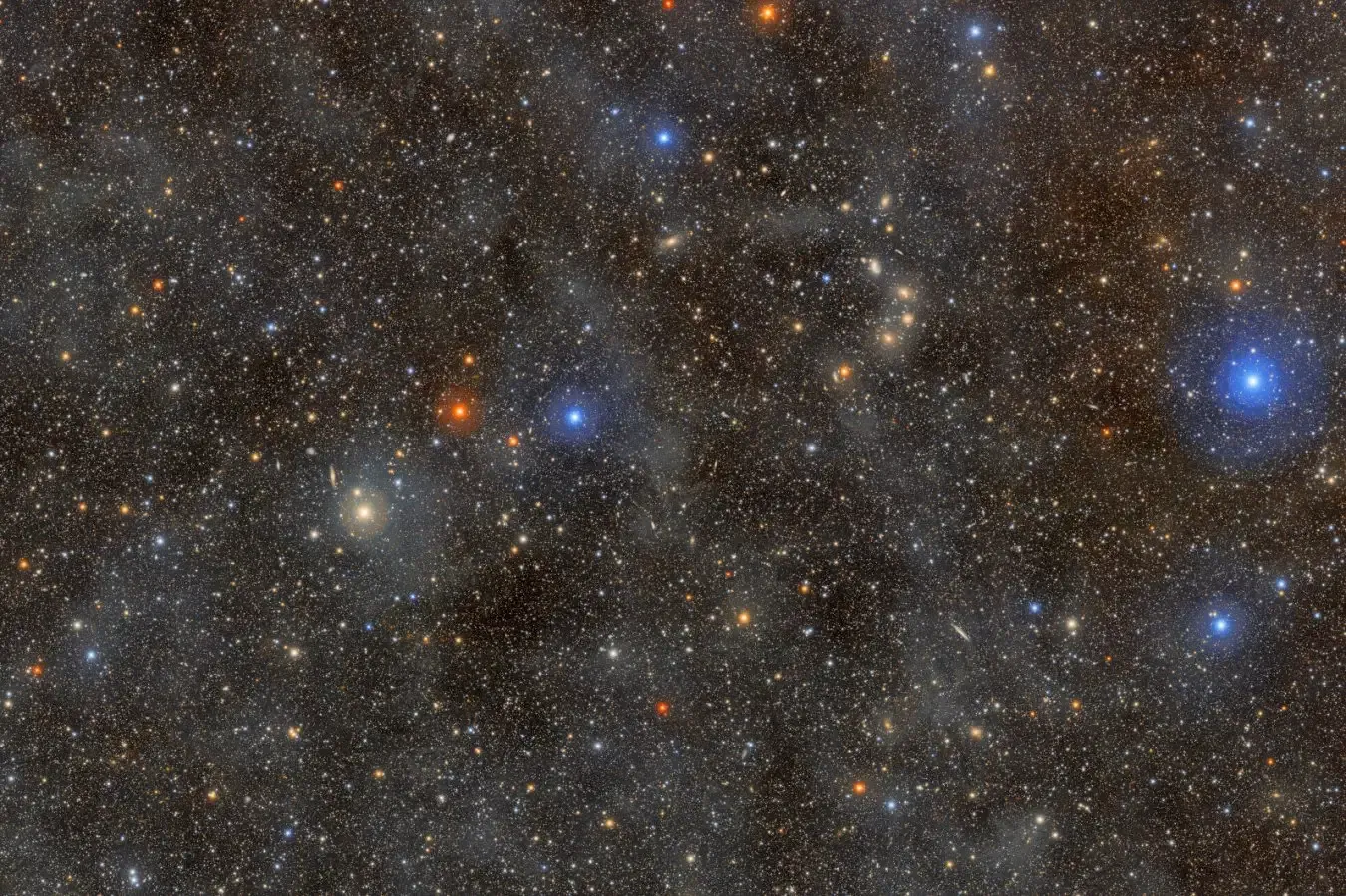
The Vera C. Rubin Observatory is starting a planet-to-galaxy mapping effort, reshaping what astronomers can measure and when.
Why astronomers are now hunting “stupendously large black holes,” and what that could mean for the search for life.

The Vera C. Rubin Observatory begins its Legacy Survey of Space and Time, aiming at dark matter, dark energy, and millions of new solar system objects.

The rules are simple, the stereotypes are not. Here is what walking soccer gets right for aging fitness.
A long-mystery invasion structure now has a clearer role, offering a proof-of-concept path to antimalarial therapies.

A slow-and-wide NRZ DWDM roadmap is settled. The hard part is how to build 8 to 16 wavelengths at hyperscale volumes.

University of Edinburgh researchers used hospital scans to connect torso muscle density with lower heart-attack and premature-death risk.

The law targets local net-zero plans, but emissions reductions may still survive the squeeze.