

Humans to Titan Summit 2026 pushes past “too far”: Titan gets a credible roadmap
Scientists at a June 11-12 summit lay out how to make a human Titan mission work after Mars.
By Yousef Al-Zahrani·· 4 min

Curating from trusted global sources…
Curated from trusted global sources, refined into briefing-grade analysis with executive summaries, insights, and bullet-point takeaways.
Scientists at a June 11-12 summit lay out how to make a human Titan mission work after Mars.
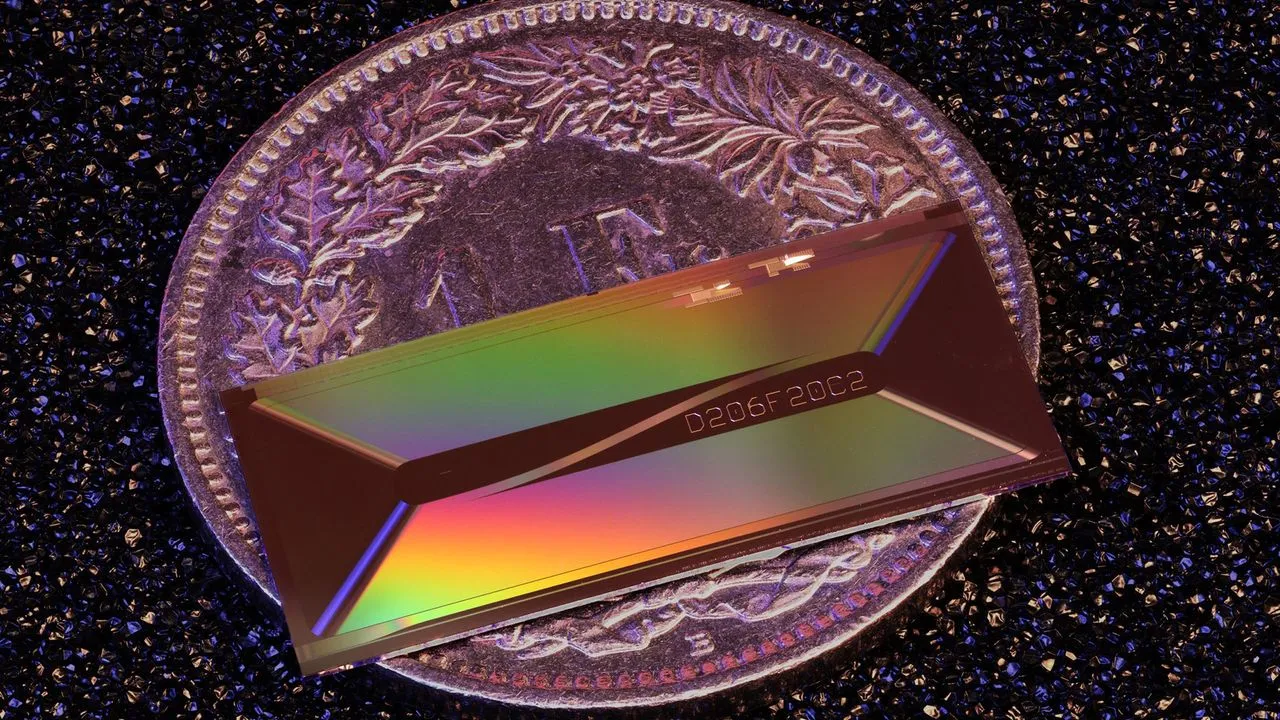
If “holy grail” ultrafast on-chip photonics works at scale, portable diagnostics and atomic-clock tech move from lab to devices.

Live at 2:30 p.m. EDT, NASA will discuss the next set of awards for lunar lander missions and what’s coming next.

Most Americans fall short on fiber. Here are Leeming's low-effort swaps that aim to fix it.

A UK probate law firm put an AI chatbot on a fictional will. It produced something that read well, but legally it skipped the hard parts.

A decade-long scanning campaign begins, with a data flywheel that could reshape how scientists spot everything from supernovas to galaxies.
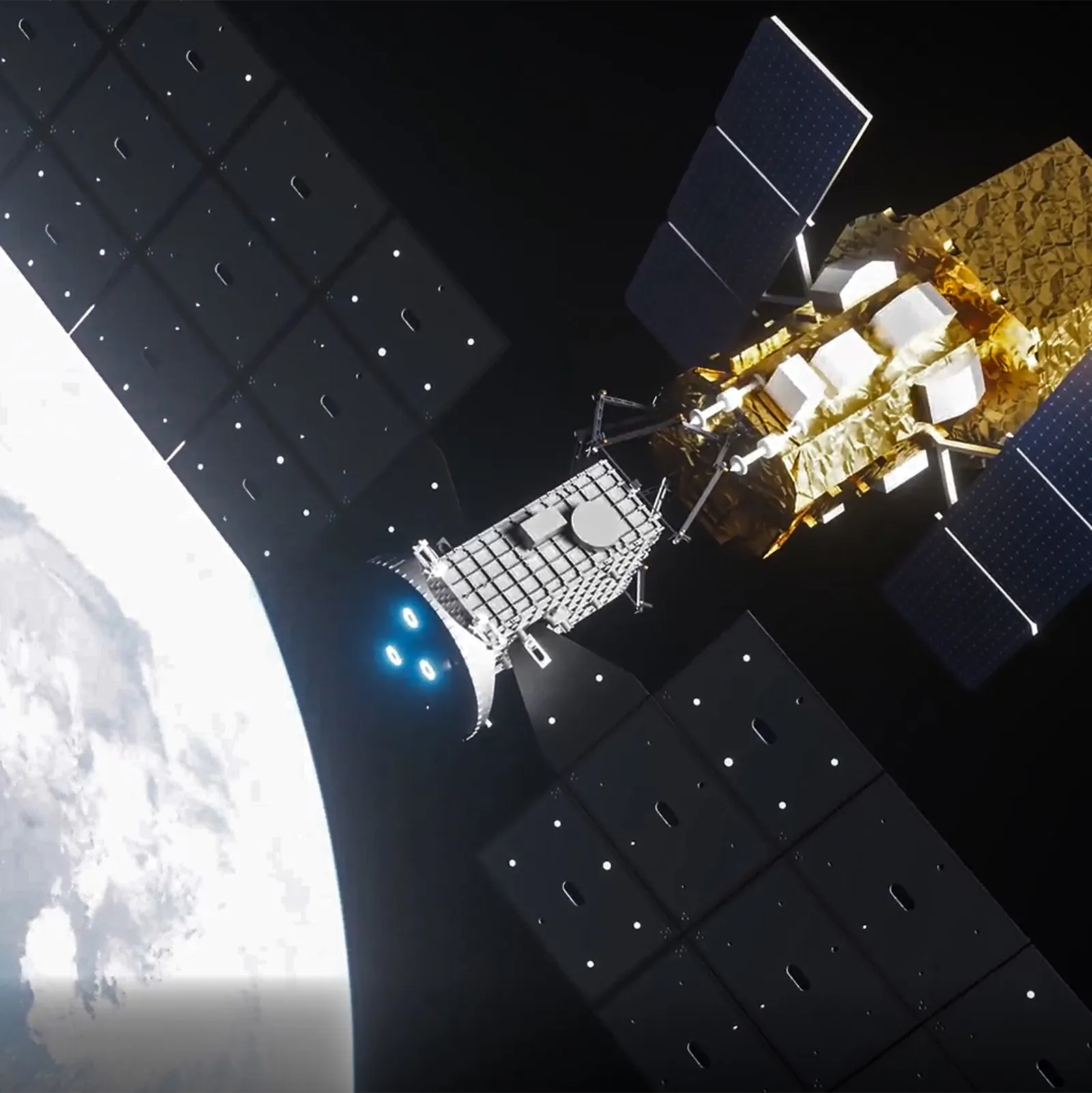
A rescue attempt for NASA's Swift Observatory is the difference between continuing gamma-ray discovery and a controlled fall.
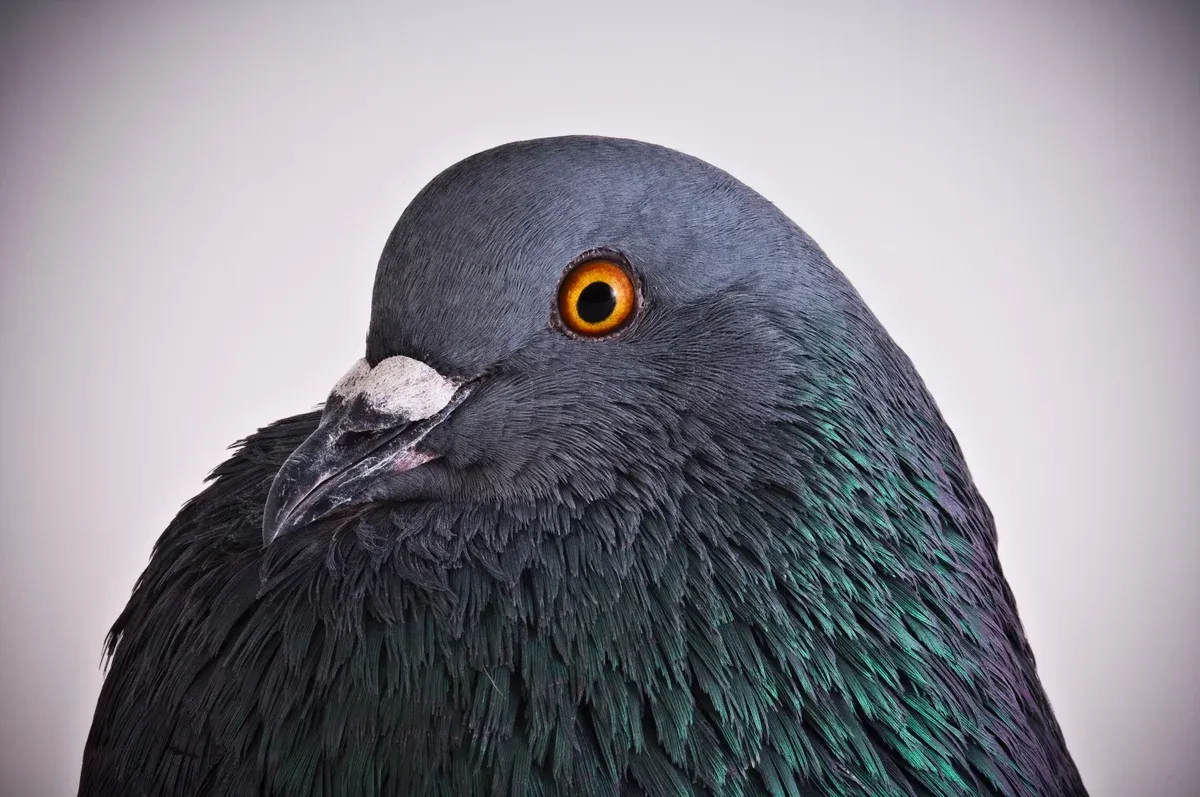
New pigeon experiments suggest consequences don't shape learning the way classic psychology says they should.

July 2026 recognition calls out specific flight investigations, community science OWWL progress, and SETI’s ACT first-light planning.
New research explains how disordered cell clusters still organize into structures and fluid-filled cavities, step by step.
A long-shot robotic mission aims to keep the aging Swift telescope from vanishing into dust.

Blocking these protein “packages” before they reach healthy neurons could slow progression and reshape how trials target spread.