
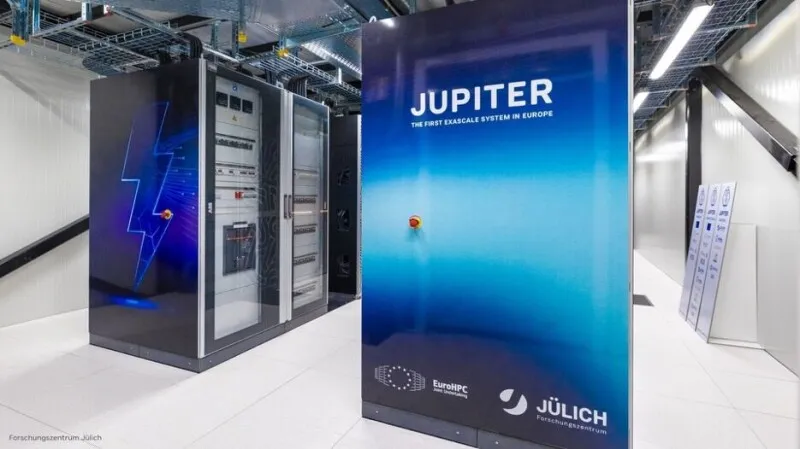
Nvidia tells scientists agentic AI is taking over supercomputing with Vera Rubin stacks
Dion Harris says Los Alamos will run the first agentic AI supercomputers, powered by a new scientific compute stack.
By Yousef Al-Zahrani·· 5 min

Curating from trusted global sources…
Curated from trusted global sources, refined into briefing-grade analysis with executive summaries, insights, and bullet-point takeaways.
Dion Harris says Los Alamos will run the first agentic AI supercomputers, powered by a new scientific compute stack.

A new breed of instruments lets investors bet on compute like an asset, changing incentives for exchanges and builders.

The SE 3’s Prime Day all-time low makes last year’s “value” Apple Watch a surprisingly complete upgrade.

A coding-focused model triggered national security action, reshaping how regulators, investors, and rivals think about AI risk.

Michael Stonebraker walked away, volunteers rewired it, and today AWS, Azure, and Google run Postgres-compatible services.

The move expands Amazon's conversational AI footprint and gives India-based users a Hindi-first way to try Alexa+.
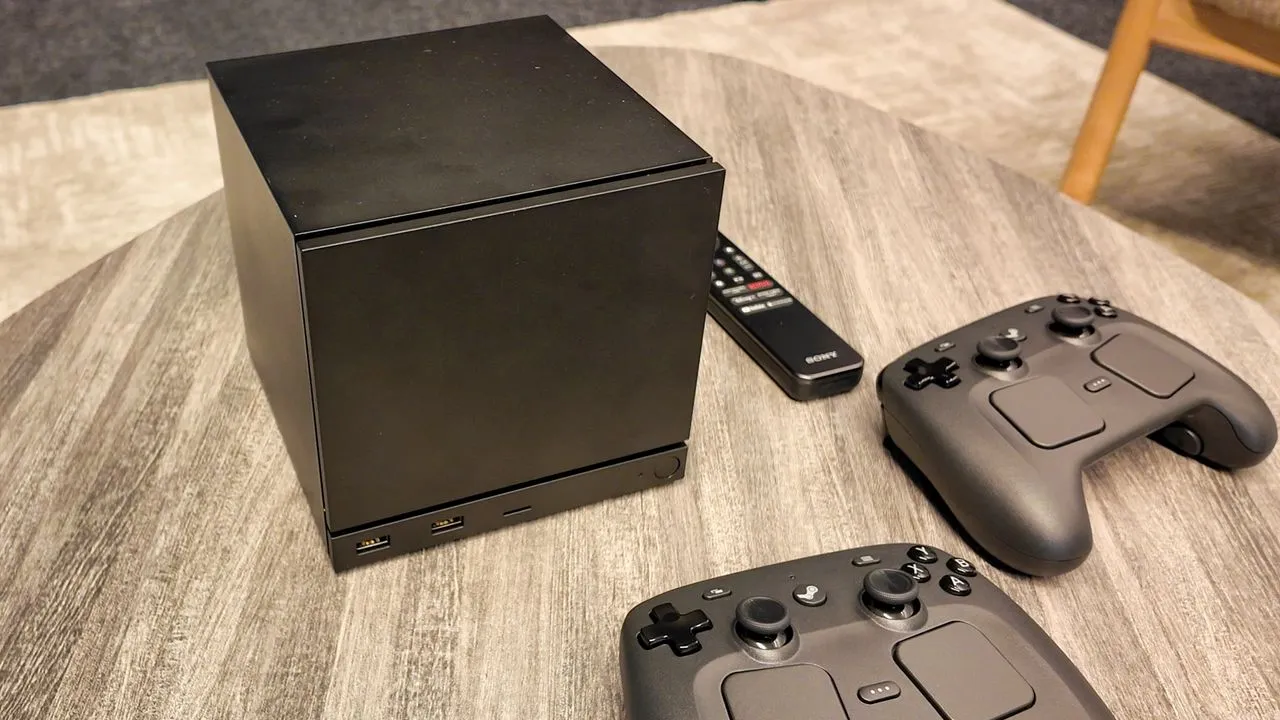
The upscaling upgrade could improve image quality fast, but may also raise the performance balancing act for owners.
With “Patch the Planet,” OpenAI targets open-source flaws and pushes back on doubts about AI cybersecurity strength.

A guilty plea for two Britons in a Transport for London attack that hit 10 million people, with Compu(t)er Misuse Act charges resolved.

Prediction markets crown Meta CEO Mark Zuckerberg the best bet, with Nvidia’s Jensen Huang next.
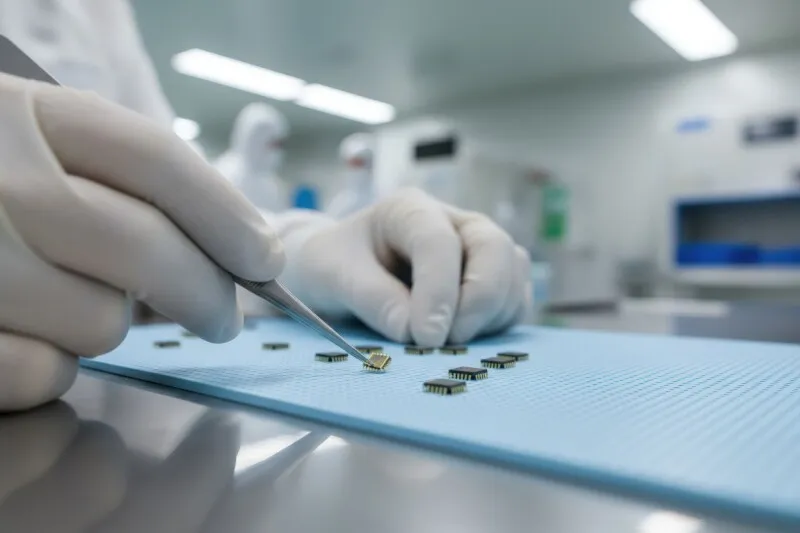
A DARPA RFI lays out a resource paradox fix for battlefield computing: tiny, cheap, self-modifying systems that can self-program on-device.

Fugu dynamically orchestrates a swappable pool of experts, claiming benchmark wins and built-in redundancy for enterprises.