23-year-old overturns ancient conjecture on fastest number multiplication method
What a young mathematician proved about multiplying numbers could reshape how researchers define “fast” in computing.
By Bandar Al-Saud·· 3 min

Loading briefings
Pulling the latest in this topic…
Research, space, health, climate, discovery
738 briefings briefings in Science
What a young mathematician proved about multiplying numbers could reshape how researchers define “fast” in computing.
eSafety warns major platforms have “significant gaps” responding to online sexual extortion and child sexual exploitation.
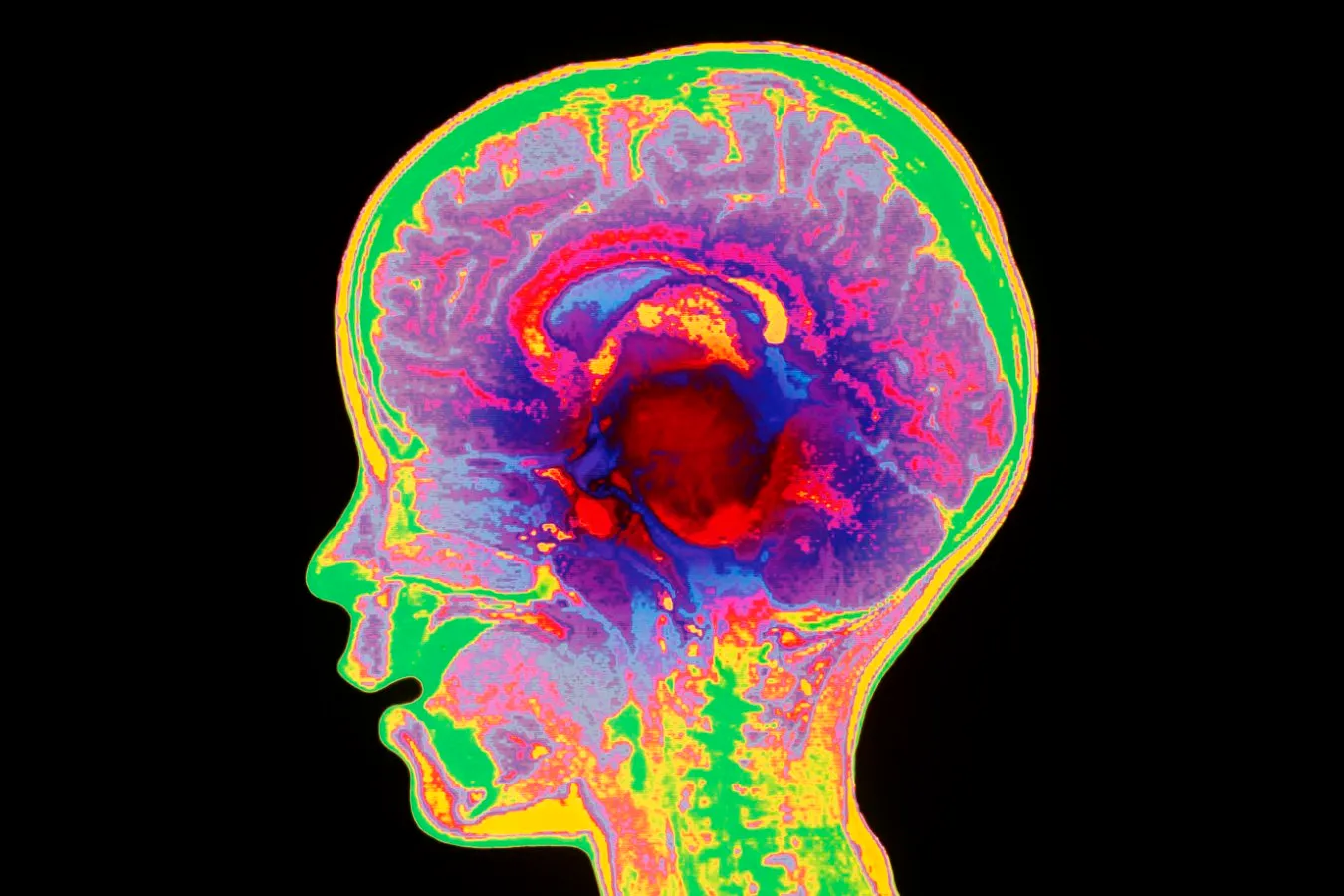
A personalized cell therapy is moving from rare wins to broader testing, reshaping the risk calculus in pediatric oncology.
New findings show how microbial “backup systems” spread protection, reshaping how antibiotic resistance may emerge.
A shift from perfectly stable black holes to real, evolving ones could reshape how scientists model mergers, evaporation, and LIGO signals.
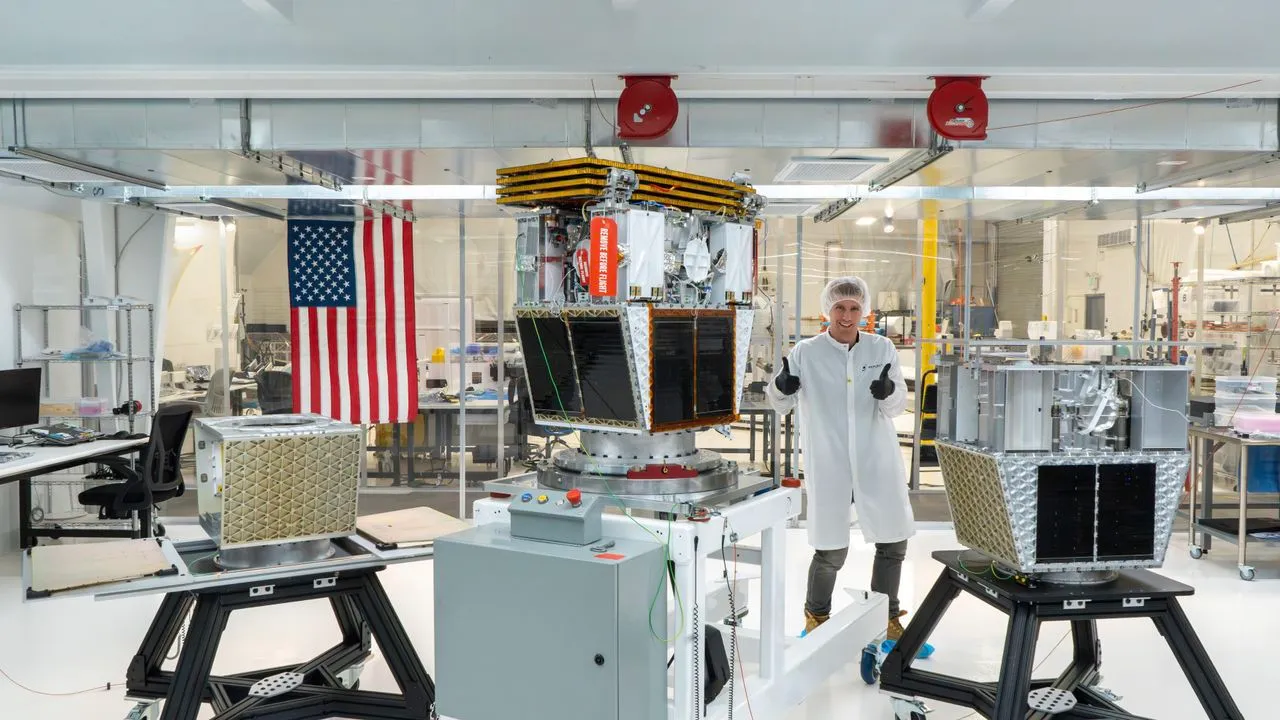
A July 10 approval clears Reflect Orbital's first 60-foot light mirror. The regulatory greenlight could unlock a massive low-Earth-orbit project.
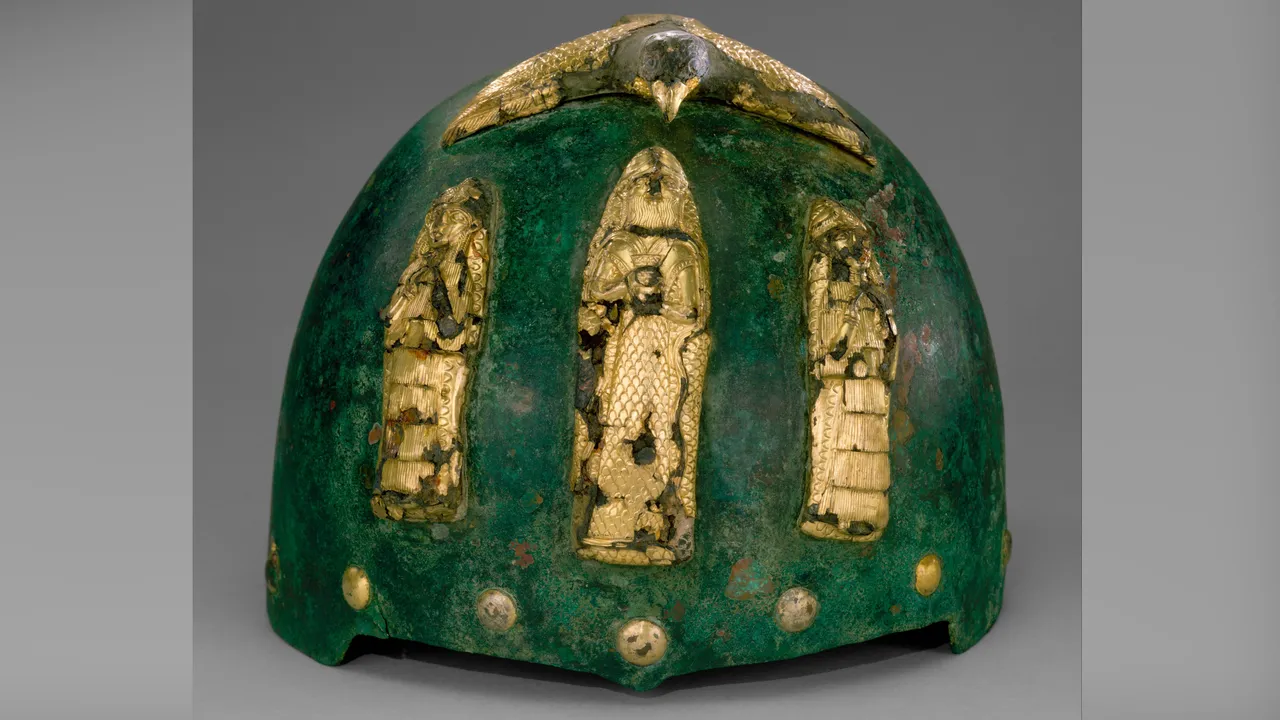
A 3,500-year-old bronze masterpiece from southwestern Iran suggests elite status, symbolism, and battlefield warding.
A debate over “novelty” in AI-generated languages raises hard questions for researchers, funders, and regulators.
A Physical Review Letters result with DLR suggests quantum mechanics can be written with real numbers, not imaginary ones.
New early findings connect oral health to a serious heart valve condition, with clear implications for prevention and risk management.
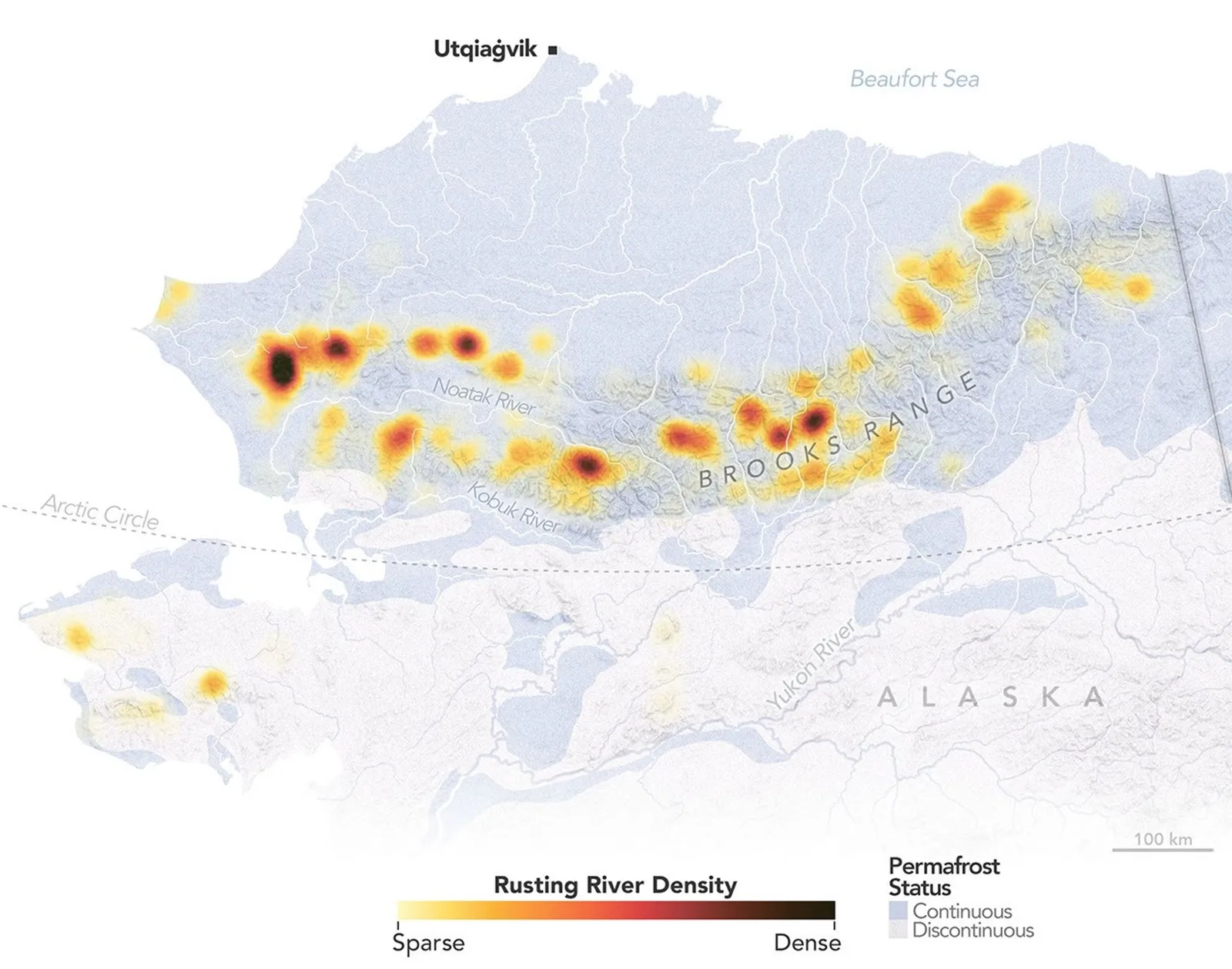
NASA links “rusty” stream water across Alaska to warming ground and air, with implications for drinking water and fish.
A Nature study tests a photo-transformable stabilizer in perovskite-organic tandems, targeting long-term performance stability for next-gen solar.