

6 Android Auto apps off-roaders should not ignore
City drivers miss them, but off-road use cases need these tools to navigate, communicate, and stay safe.

ZDNet highlights Android Auto apps that are not just for city streets, with a focus on off-road drivers. The consequence: decision-makers supporting connected-car UX should treat off-road readiness as a real product requirement.
Android Auto is often treated like a “commute feature,” the kind of thing you use to read messages, pick a route, or put music on repeat. But ZDNet frames a different reality: Android Auto is not just for city streets anymore, and the difference shows up when you leave pavement behind. The story is essentially a field guide, calling out six specific Android Auto apps that can help off-road drivers “get more done” when conditions are rough, connectivity is inconsistent, and every extra step to operate your phone becomes a safety question.
The hook here is simple and true, because it is the entire point of the piece: most drivers overlook these six Android Auto apps, while off-roaders should pay attention. ZDNet’s message is that what looks like a niche preference in day-to-day driving becomes operationally important in the backcountry. Off-road use tends to expose weaknesses in standard in-car workflows, like dependence on stable maps, limited ways to communicate when you are out of reach, and the friction of switching apps while you are already busy navigating dirt roads or trails. In other words, the apps matter because off-road driving turns “convenience” into “capability.”
To understand why this matters beyond personal preference, you have to zoom out to how Android Auto and connected car apps are shaped. Android Auto is built around keeping your phone’s most useful interactions accessible through the car interface. That design philosophy works best when the app tasks you need are predictable. City driving is predictable. Off-road driving is not. That mismatch is exactly why ZDNet’s framing lands: the same platform can be underutilized if drivers only think in terms of urban needs.
There is also a second-order product implication for teams that support connected-car ecosystems. When an article like this says “most drivers overlook these apps,” it is effectively pointing at a discovery problem. Apps exist, but usage lags because the default mental model is wrong. For product managers, platform leads, and executives evaluating how to prioritize partnerships, that is not a small issue. It means the value is there, but it is gated by user habits and context. Off-roaders, by definition, have context. City drivers may not. If you care about engagement, retention, or “daily active usage” across driving scenarios, then you need to address scenario-specific onboarding and app surfacing, not just general app availability.
Now add regulatory and risk context, because safety is the thread running under any “use while driving” category. Regulators worldwide have pushed for reduced driver distraction and clearer rules about what screens can show and when. Even when a specific app is allowed, the broader compliance environment shapes user behavior. Off-road driving often involves longer periods where audio cues, simple inputs, and quick access to essential tasks are more valuable than fiddly navigation steps. That makes “apps that help you get more done” a real operational outcome, not a lifestyle tagline.
The backcountry lens also hints at the market direction. Connected car features used to be framed as entertainment and convenience. Increasingly, they are about orchestration of information and communication under constraints like poor signal and changing routes. The ZDNet piece is effectively saying: stop thinking about Android Auto as an urban accessory. Start thinking about it as a toolbox that, in certain environments, becomes mission-critical.
For executive readers, the strategic stakes are straightforward. If your roadmap, partnerships, or UX decisions only optimize for the most common commuting pattern, you will miss the segments that stress-test the platform. Off-roaders may be smaller in number, but they are larger in signal, because their needs are harsher and their tolerance for friction is lower. When the user community discovers six apps that make Android Auto meaningfully more usable off-road, that is a signal about where platform value is truly being realized. Build for that, and you do not just improve an experience. You improve trust, reduce friction, and make your ecosystem more resilient across driving realities.
ZDNet’s specific message is therefore less about recommending a lifestyle and more about correcting a blind spot. Most drivers overlook these six Android Auto apps. Off-roaders definitely shouldn't. In a connected-car world where ecosystems compete on usability and reliability, scenario-aware app support is not optional, it is the difference between “works most of the time” and “works when it counts.”
This story's Key Insights and Take-aways are locked.
Create a free account to unlock Executive Actions for one credit.
Register to UnlockAlways free for Executives Club members. Join the Club
More in Technology

Nvidia's $89B data center quarter: the 9 companies cashing in
The AI buildout is minting fortunes beyond GPUs, and memory, cloud, and cooling suppliers are riding the same wave.
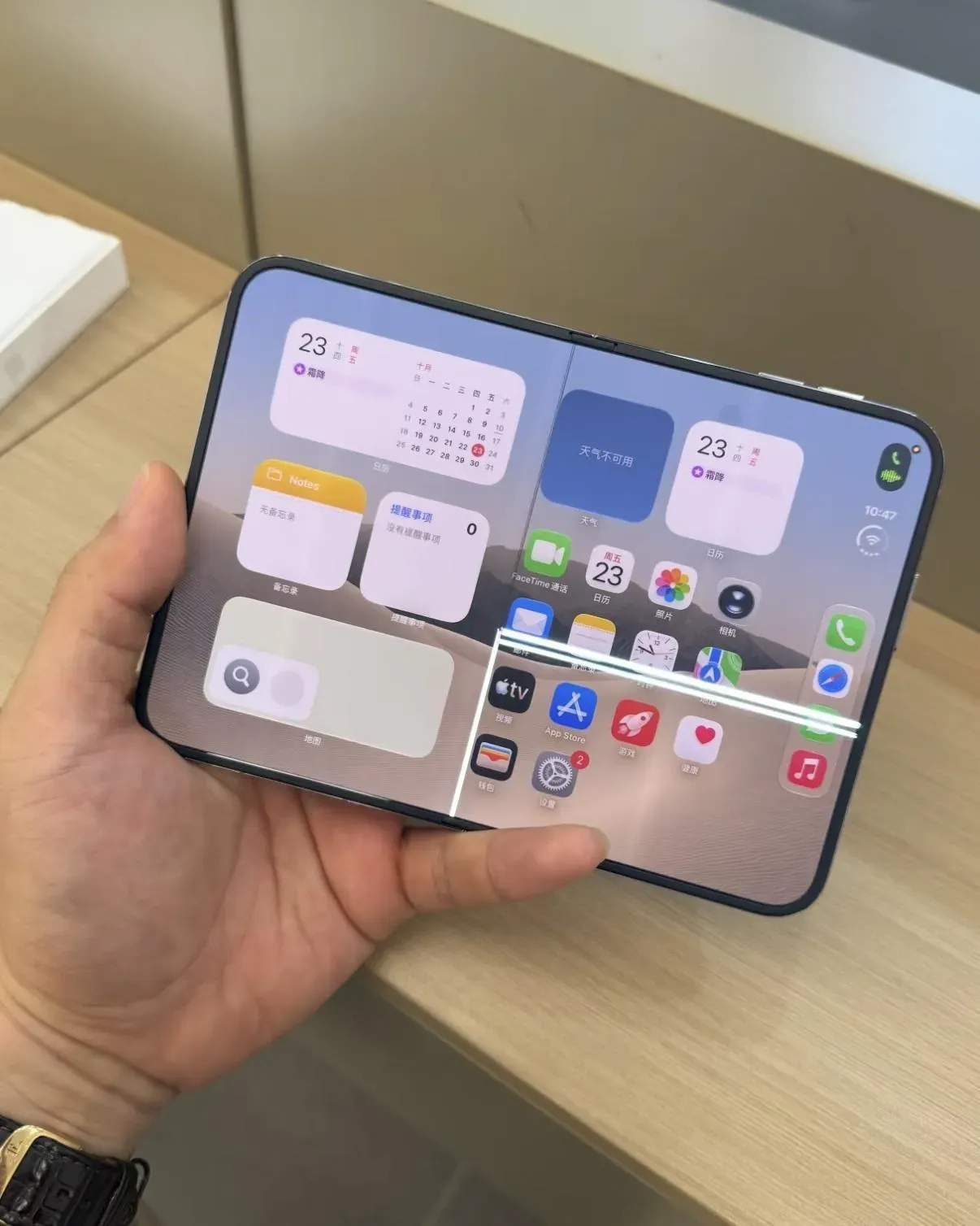
A YouTuber dissected the iPhone Duo and thinks he found crackgate's cause
CuriousHagi's teardown of Apple's foldable reveals a gear-like hinge that may explain why screens crack in the same spot within hours.

Google quietly links your phone number to every Android account on your SIM
Adding a SIM now ties your phone number to all Google accounts - and future accounts inherit it. Here's the security and privacy stakes.