
A24 apologizes after automated Backrooms Redbubble strike, blaming automated claim
The studio says it reversed the takedown after Kane Parsons said it “should not be happening.” Here’s the copyright ripple.
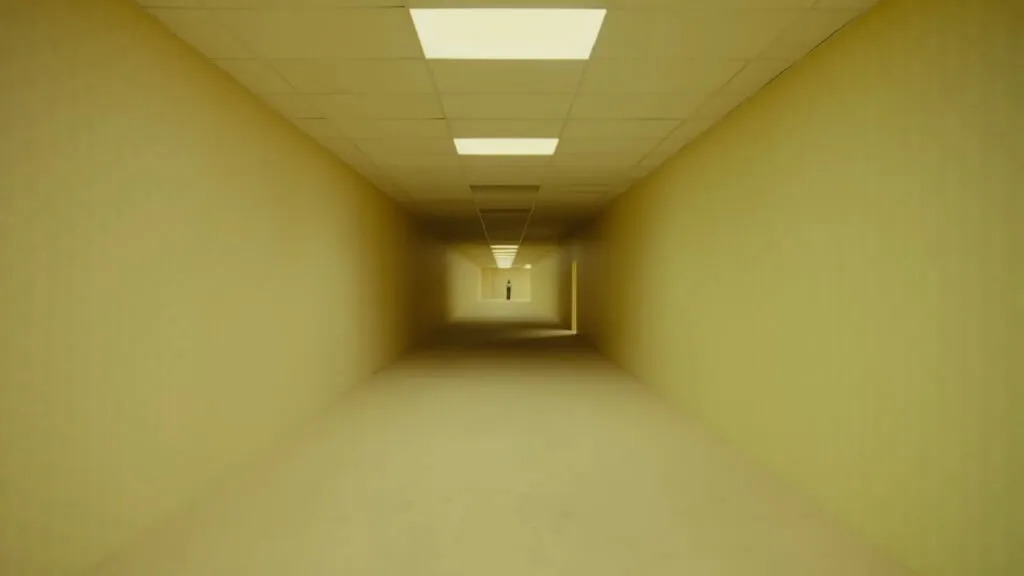
A24 issued an apology after an artwork inspired by Backrooms yellow wallpaper designs was hit with a Redbubble takedown, which the studio says was an automated claim. For decision-makers, the case spotlights how meme-to-film IP strategies can collide with automated enforcement, reputational risk, and the blurry “ownership” of internet lore.
A24 moved fast after an automated copyright strike took down a Backrooms-inspired artwork listing on Redbubble. In a statement, the studio said it “immediately began the process to reverse it and reinstate the listing,” and acknowledged the takedown was submitted as an automated claim.
The timeline matters. The Redbubble takedown claim went public first through a viral Reddit post, and Kane Parsons, director of the Backrooms film, responded in the thread saying, “I’m looking into this. Should not be happening.” A few days later, A24’s statement arrived via Instagram Story, prompting outlets including Kotaku to share screenshots.
So what actually happened? According to the reporting, the artwork being sold on Redbubble was based on the yellow wallpaper designs from the original Backrooms images that inspired the meme. Those images and the broader Backrooms phenomenon were not built in a boardroom or a patent office. The Backrooms concept started as a series of anonymous posts on 4chan, and for that reason the series has long lived in a kind of cultural gray zone, where anyone can remix the mood without worrying about signing a license.
That gray zone is exactly where Hollywood is now trying to operate. The A.V. Club frames this episode as part of a bigger reckoning for studios that increasingly mine memes and other socially spread ideas for films. In other words, studios want the upside of internet-born IP attention, but the enforcement machinery they use online can treat the internet like a library catalog. That mismatch is what makes this particular takedown feel like more than a simple mistake.
A24’s statement did two things at once. First, it apologized for the process, not the underlying idea. It said the claim was automated, then promised the reversal workflow. Second, it tried to narrow the boundary of what it considers protectable. The studio asserted, “A24 makes no claim of ownership over the yellow wallpaper, the original post referencing it, or any of the community works that have since been built around it.” It also said it will “continue to support the artists who, like Kane, were inspired by it.”
This is where Parsons’ own involvement becomes important. After he made public statements that he was “looking into” the claims, A24 addressed the situation directly. The reporting also says Parsons posted a response in the Reddit thread, and that Discord messages allegedly sent by him in the aftermath included statements that he was “pressuring” the studio to discontinue any such efforts. Whether the pressure story is interpreted as concern, negotiation, or simple accountability, the outcome is the same: the studio ended up issuing a public correction and a clear ownership disclaimer.
For executives and boards, that disclaimer is not just PR theater. It is a defensive move in a landscape where automated takedowns can create second-order damage even when the original action is technically “just enforcement.” Reinstating a listing after a dispute is one thing. Preventing backlash, reducing artist churn, and avoiding broader allegations of overreach is another. And unlike a closed-door licensing arrangement, online meme culture is built on visibility and participation. When enforcement appears heavy-handed, the community notices fast.
There is also a precedent dynamic at play. The A.V. Club notes that some internet cryptids do have clearer provenance, including Trevor Henderson’s Siren Head, which is being developed for a film at Warner Bros. by Zach Cregger and Brian Duffield. The contrast is useful: where something has a known creator and documented origin, IP enforcement is easier to justify. Where something began as anonymous posts on 4chan and spread as a community playground, studios are stepping into a far messier ownership story.
A final nuance: the Backrooms film director is not the only person creating in the universe. The reporting points out that some creators, notably Parsons as the most successful Backrooms-adjacent filmmaker while still just a teenager, have made their own works within the Backrooms ecosystem, putting their own spins on its liminal spaces mythos. That reality is the reason A24’s “bigger ecosystem” framing matters. Ownership claims in collaborative universes can be technically defensible in narrow ways, but they still run into the lived expectations of how the meme world works: built for remixing, not permissioning.
Strategically, the stakes for anyone building, funding, or governing content strategies around memes are obvious. Automated copyright claims might feel scalable, but they are also blunt instruments. When studios use them against community-adjacent works, they risk turning a film pipeline into an ongoing dispute cycle. A24’s apology and reversal show the cost of getting the boundary wrong, and the speed at which a single takedown can escalate into a public trust problem across creators, platforms, and future IP partnerships.
This story's Key Insights and Take-aways are locked.
Create a free account to unlock Executive Actions for one credit.
Register to UnlockAlways free for Executives Club members. Join the Club
More in Entertainment

12TB Steam 'teraleak' goes beyond Valve: GTA 3, Mafia 2 prototypes exposed
A 12-terabyte dump of Steam data reveals prototypes and builds of third-party classics like GTA 3 and Mafia 2, plus unreleased Valve content, rewriting game history.

LinkedIn's romance problem: 1 in 4 workers say dating on it is fair game
A new survey shows a quarter of U.S. employees treat the professional network as fair game for romance, even as LinkedIn bans it and removes hundreds of thousands of offending posts.

Enhypen's first No. 1 album breaks K-pop's Billboard 200 streak
The K-pop group's 98,000-unit debut tops the chart while Dolly Parton's catalog reentry shows how death reshapes streaming.