
Abu Dhabi's ADQ is one step from owning all of AD Ports
A cash offer from ADQ, a unit of Abu Dhabi's L'imad wealth fund, has cleared the terms needed to take up to 100% of maritime operator AD Ports Group - here's what that means for Gulf infrastructure.

ADQ, a unit of Abu Dhabi wealth fund L'imad, has met the terms of a cash offer to acquire up to 100% of AD Ports Group. The move gives the emirate deeper control over a critical maritime gateway, with implications for regional trade flows and infrastructure consolidation.
Abu Dhabi's ADQ, a unit of the emirate's L'imad wealth fund, has met the terms of a cash offer to acquire up to 100% of AD Ports Group, the maritime infrastructure operator. The announcement, carried by AGBI, signals that the state-backed investor has cleared the procedural hurdles to move from partial to full ownership of one of the Gulf's most strategically important port and logistics companies. For decision-makers, this is more than a routine acquisition. Full control of AD Ports gives Abu Dhabi direct command over a network of ports, terminals, and maritime services that handle a significant share of the region's non-oil trade. It also removes any lingering minority shareholder friction, allowing ADQ to fold AD Ports into a broader sovereign infrastructure strategy without external veto points.
AD Ports Group operates a string of commercial and industrial ports across the UAE and has expanded internationally in recent years, though AGBI's report does not detail the specific assets or the offer price. The cash structure suggests ADQ is willing to deploy capital outright rather than rely on share swaps or deferred consideration. For the wealth fund, the deal fits a pattern of consolidating critical assets under state ownership, a trend visible across the Gulf as governments look to secure supply chains and diversify revenue away from hydrocarbons. L'imad, the Abu Dhabi wealth fund that houses ADQ, is the umbrella entity for the group, per the report.
In the UAE, such acquisitions typically require approval from competition authorities and sector regulators, though the fact that ADQ has 'met the terms' suggests the key conditions have been satisfied. The next step is likely a formal offer document and a shareholder vote, assuming AD Ports has minority holders. For AD Ports' existing shareholders, the cash offer could provide a liquidity event at a time when infrastructure assets are commanding premium valuations across the Gulf. The absence of a disclosed price leaves room for negotiation, but the fact that terms have been met suggests the deal is on track to close.
Meanwhile, the region's infrastructure momentum extends beyond the UAE. Turkey is planning to auction the operating rights for some of its major road links, including two bridges in Istanbul connecting Asia with Europe. Control of the July 15 Martyrs Bridge, one of the city's most iconic crossings, is among the assets on the block. The move underscores how state and quasi-state entities across the Middle East are monetizing or reallocating control of strategic infrastructure to raise capital and optimize operations.
For boards and executives watching from the sidelines, the ADQ move offers a clear signal: deep-pocketed sovereign investors are willing to go all-in on assets they deem essential. Any minority position in a state-aligned infrastructure company should be evaluated for takeout risk, especially if the parent wealth fund has the balance sheet and the strategic motive to buy out the rest. The practical takeaway for CFOs and strategy officers is to map which of their own critical assets sit within state-aligned ecosystems. If a sovereign fund is a major shareholder, the question is not whether consolidation will come, but when and at what premium.
For those competing with state-backed infrastructure groups, the competitive landscape just got clearer: expect fewer listed pure plays and more vertically integrated, government-anchored operators with longer time horizons and lower cost of capital. The Turkey road auction, while separate, reinforces the same theme - governments are reasserting control or extracting value from essential infrastructure, and private investors must adapt to a world where the state is both partner and rival. The ADQ-AD Ports deal, if completed, will be a benchmark for how sovereign wealth funds consolidate maritime assets in a region where trade routes are becoming more contested.
This story's Key Insights and Take-aways are locked.
Create a free account to unlock Executive Actions for one credit.
Register to UnlockAlways free for Executives Club members. Join the Club
More in Business
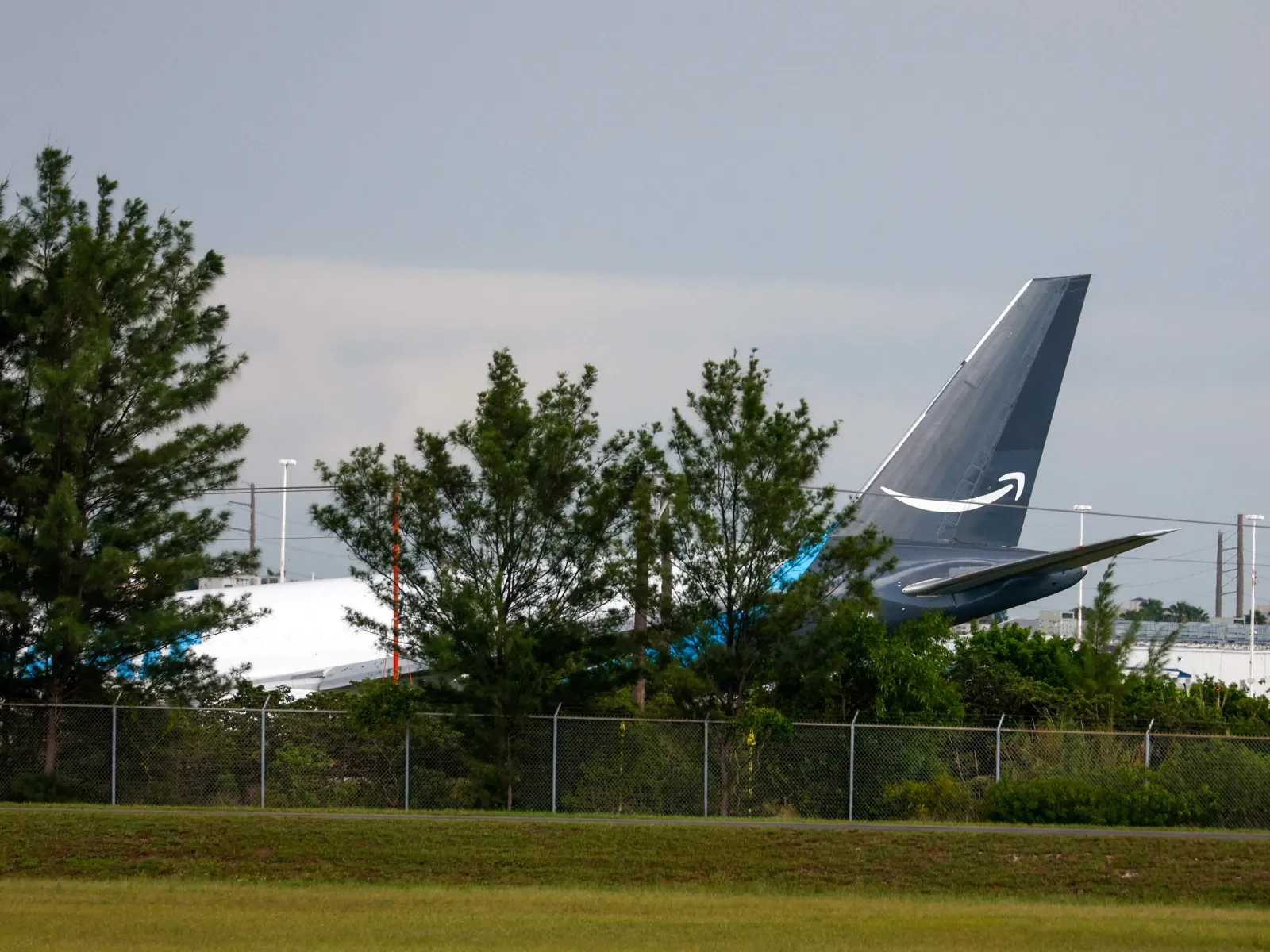
Amazon Prime Air 767 overshoots Miami runway, killing at least 5
The Boeing 767 freighter from San Juan struck vehicles and erupted in flames, prompting a ground stop and a fresh NTSB investigation into Amazon's air cargo network.

Death sentence for TV presenter Sarah Khalifa: Egypt's drug case hits media
The sentencing of Sarah Khalifa and 11 others underscores the severity of Egypt's anti-drug laws and the exposure of public figures to capital punishment.
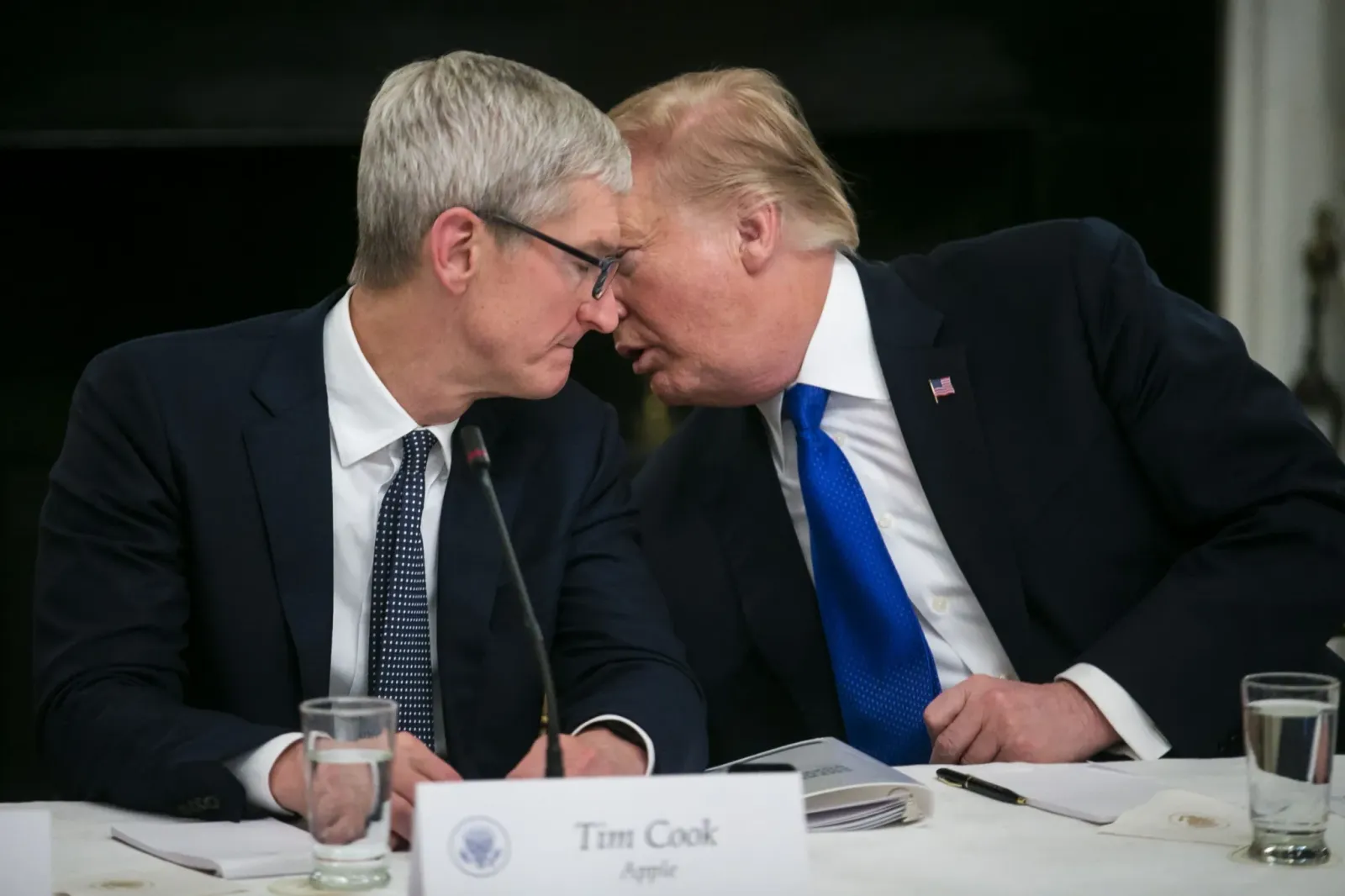
Tim Cook steps down as Apple CEO, stays on as chair with $45M equity
The 'Trump whisperer' keeps his White House and Beijing access as Apple navigates tariffs and a $4.6 trillion market cap.