

Tim Cook steps down as Apple CEO, stays on as chair with $45M equity
The 'Trump whisperer' keeps his White House and Beijing access as Apple navigates tariffs and a $4.6 trillion market cap.
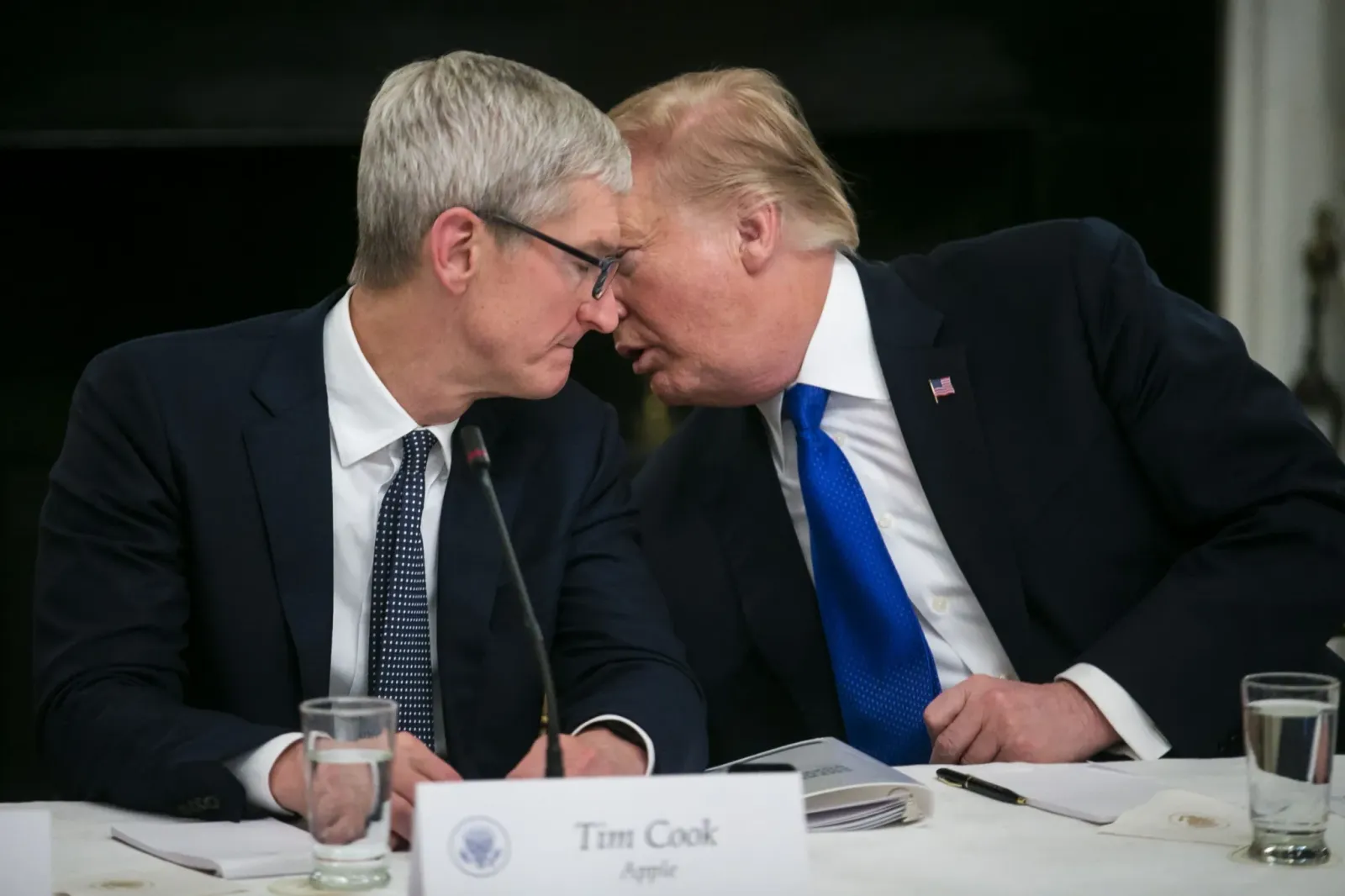
Tim Cook handed Apple's CEO role to John Ternus on Tuesday but remains executive chair with a $2M salary and a $45M equity award. His continued presence signals that policy navigation, not product innovation, is now critical to Apple's strategy.
Tim Cook is no longer Apple's CEO, but he is not going anywhere. On Tuesday, Cook handed the top job to longtime hardware chief John Ternus, yet he will remain as executive chair with an annual salary of $2 million effective Sept. 26. A regulatory filing reveals he also received an equity award with a target value of $45 million. This is not a retirement package; it is a retention package for a man who has become Apple's most valuable political asset, the so-called "Trump whisperer."
Cook's value to Apple has shifted from operations to geopolitics. As chair, he will continue "engaging with policymakers around the world," the company said in April when his new role was announced. That mandate covers both Washington and Beijing, two flashpoints that have defined his 15-year tenure. With Apple's sprawling Asian supply chain caught in the crossfire of Trump's tariff wars and US-China tensions, Cook's ability to keep lines of communication open is arguably more important than any product roadmap. He earned his nickname by getting Trump's ear early: "He's the one that calls me," Trump told reporters in 2019, explaining why Cook had better access than other tech executives.
That relationship has been tested repeatedly. In February 2025, Apple pledged $500 billion in US spending over four years, including 20,000 new jobs, to curry favor with the administration. But by May, Trump was publicly criticizing Cook as Apple expanded iPhone production in India to reduce reliance on China. "I had a little problem with Tim Cook yesterday," Trump said, recounting that he told Cook to manufacture more in America. Days later, Trump threatened a 25% tariff on iPhones made elsewhere. The pressure worked: Three months later, Cook stood beside Trump in the Oval Office, presenting a customized "Made in USA" glass plaque on a gold stand, as Apple announced another $100 billion commitment, bringing planned US spending to $600 billion over four years. The timing was strategic, coming right before Trump prepared a 100% tariff on imported semiconductor chips, with an exemption for companies building in the US.
Cook's portfolio extends well beyond the White House. Apple remains heavily dependent on Asia for manufacturing even as it shifts some production away from China, leaving the company exposed to the relationship between the world's two largest economies. Cook has spent years managing Apple's relationship with Beijing, and earlier this year he was among the US executives expected to accompany Trump on a trip to meet Chinese President Xi Jinping. This dual-track diplomacy is why Cook's new role is so valuable: he can work both sides without the formal constraints of a CEO title. His own description of his approach is telling: "What I do is I interact on policy, not politics," he told ABC's "Good Morning America" in March. "I focus on policy."
The compensation package underscores how much Apple values that access. A $2 million annual salary is a relative pittance for a former CEO, but the $45 million equity award is the real inducement. During Cook's tenure, Apple's market cap grew from roughly $347 billion to $4.6 trillion, and his political acumen has been a key driver of that growth, especially in the last few years as tariffs threatened to undermine the company's margins. By keeping Cook close, Apple ensures it retains the relationships and institutional memory that have kept it out of the crosshairs of both Trump and Beijing.
For other executives and boards, Cook's transition offers a playbook. In industries with deep geopolitical exposure, a CEO's successor may be a brilliant operator, but the outgoing leader's network and credibility with governments can be worth billions. Retaining that leader in a structured advisory role, with clear mandates and compensation tied to strategic value, is becoming a common pattern. Ternus gets the operational reins, but Cook's continued presence signals that Apple's most pressing challenges are no longer about chips and screens; they are about navigating the turbulent politics of global trade.
The transition also carries a second-order message: the era of the apolitical tech CEO is over. Cook's relationship with Trump, from the "Tim Apple" gaffe to the gold plaque, is a masterclass in pragmatic engagement. Trump himself recalled the first call he received from Cook during his first term, writing on Truth Social that "When I got the call I said, wow, it's Tim Apple (Cook!) calling," calling it the beginning of "a long and very nice relationship." That relationship has survived tariff threats, policy reversals, and public criticism, because Cook never lets politics get in the way of policy. As Apple enters its next chapter, the whisperer remains in the room, and that is exactly how the company wants it.
This story's Key Insights and Take-aways are locked.
Create a free account to unlock Executive Actions for one credit.
Register to UnlockAlways free for Executives Club members. Join the Club
More in Business
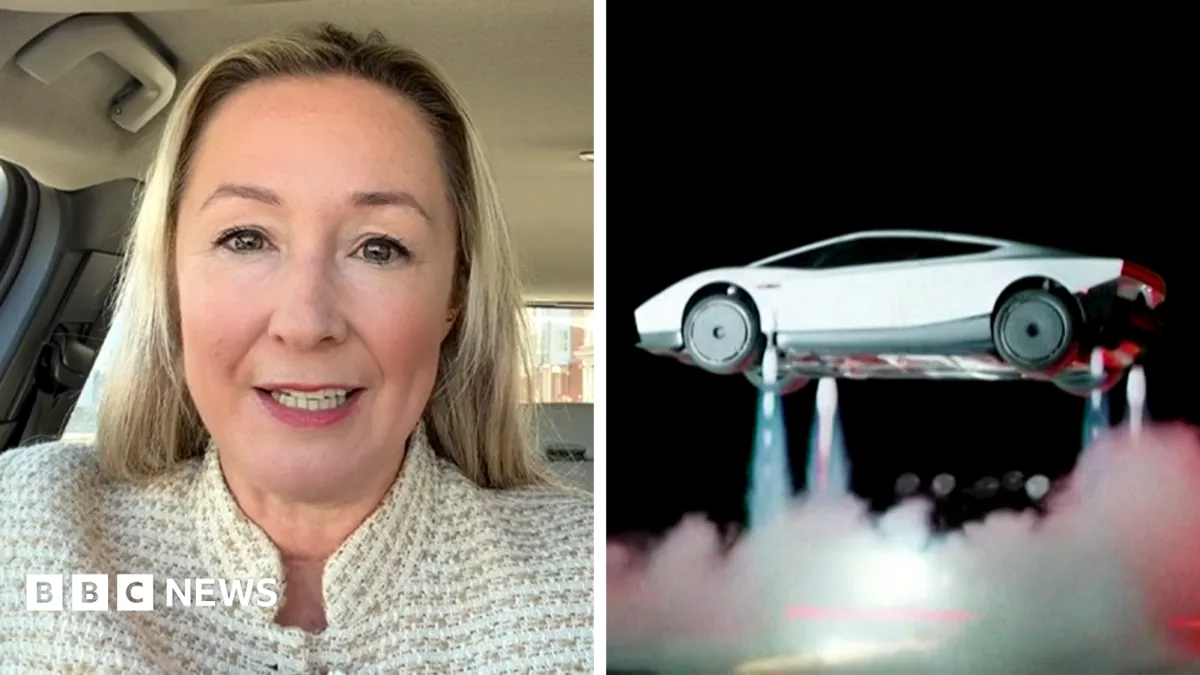
Elon Musk unveils a flying car, and SpaceX helped build it
The Tesla CEO's showcase at a SpaceX facility signals a future where road and rocket engineering converge.
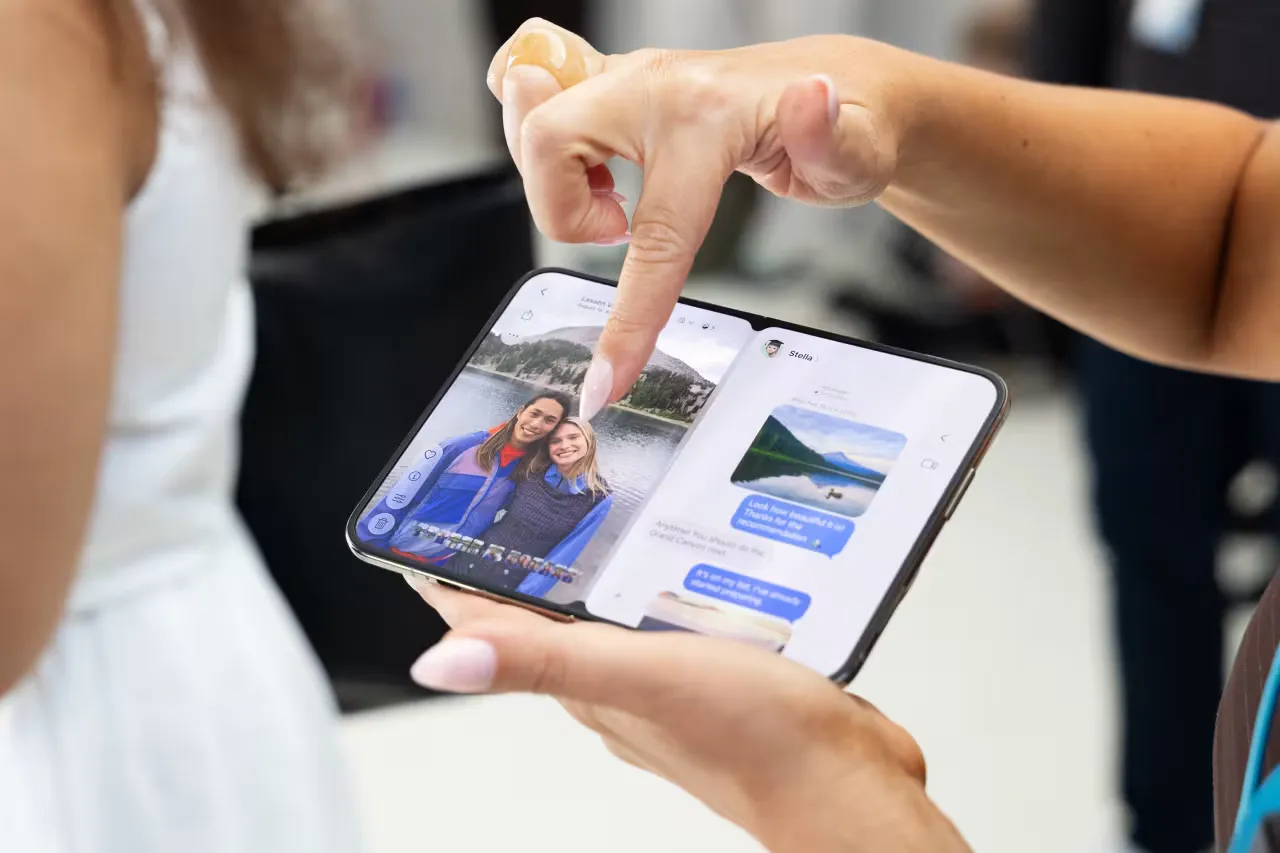
Apple's $2,000 iPhone Duo opens preorders, taking on Samsung and Google
Apple's first foldable hits the market at a premium price, reshaping a category Samsung and Google have led.

Pope Leo XIV, first American pope, diagnosed with lung cancer
The 71-year-old Chicago-born pontiff underwent successful surgery on his right lung, and his diagnosis raises new questions about his AI-focused papacy and the Vatican's future.