
ACLU sues Florida police after officers arrested Fort Myers man on faulty face match
The lawsuit argues an old face-recognition tool was treated as near-certain ID in a child-abduction case.
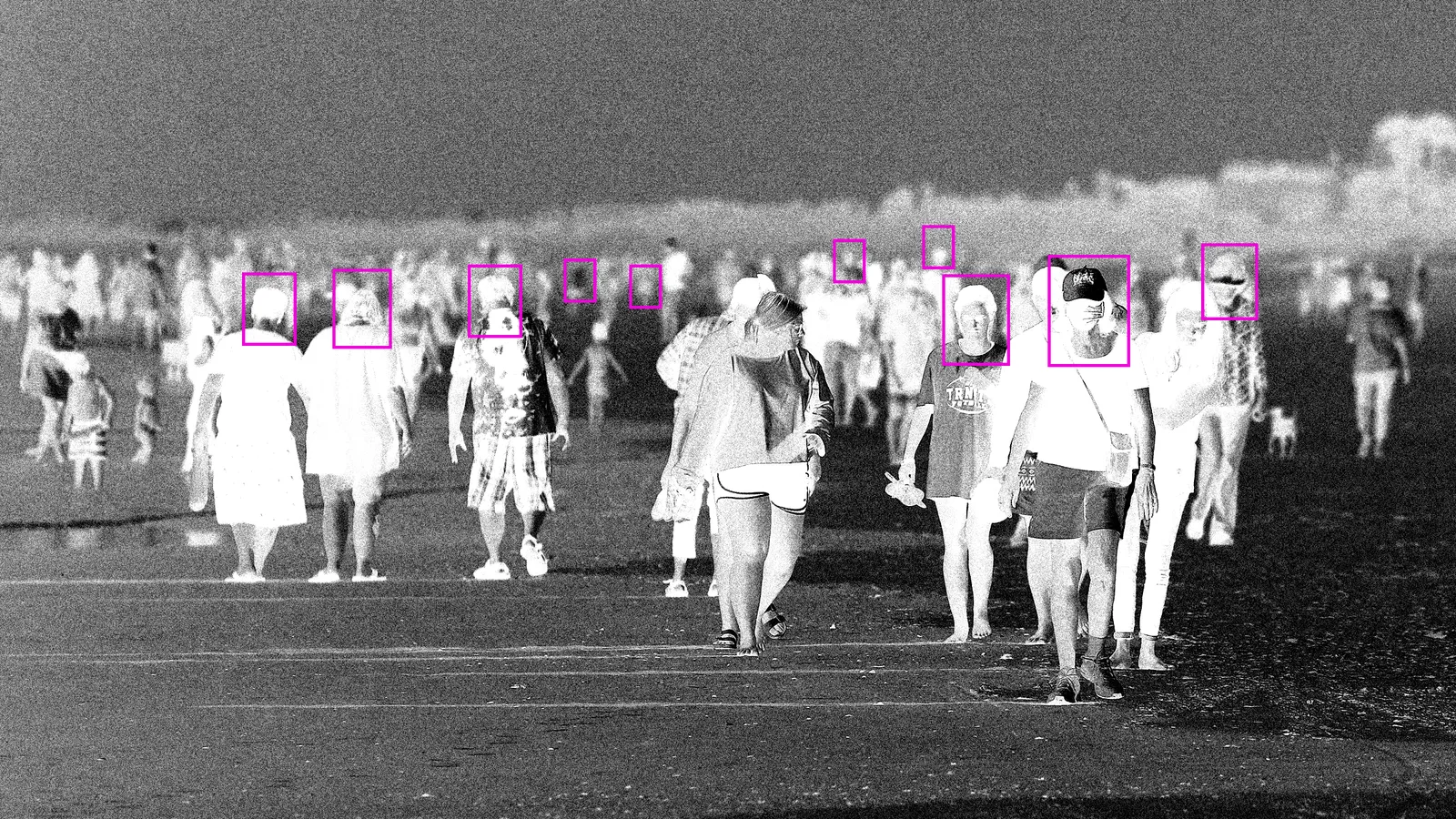
The ACLU is suing two Florida police departments over the arrest of a Fort Myers man in a child-abduction case involving a face-recognition match. For decision-makers, the case spotlights how “probabilistic” AI can become “certain” in high-stakes policing workflows.
The ACLU is suing two Florida police departments after officers arrested a Fort Myers man in a child-abduction case, alleging they treated a flawed face-recognition match as a near-certain identification. In other words, a tool that should inform uncertainty allegedly got treated like a verdict.
The core claim is blunt: the arrest followed a face-recognition match that the ACLU characterizes as flawed, and that flawed output was used with too much confidence. The timing and subject matter make it especially consequential. Child-abduction investigations are exactly the scenario where police need speed and accuracy, which also means mistakes can be irreversible for the wrong person and corrosive for public trust when they surface.
This is where the technology meets human incentives. Face recognition in law enforcement is often deployed to narrow down suspects, basically turning a large set of faces into a smaller shortlist. That design assumes officers will understand and act on the result appropriately: as a lead that needs corroboration, not as proof. But the ACLU’s lawsuit suggests the opposite dynamic occurred. When a system produces a seemingly specific match, it can create a cognitive shortcut. If you are under time pressure, you may stop asking “how confident is this, and what else supports it?” and start asking “who can we confirm the match with?” That can turn a probabilistic signal into something treated as deterministic.
The second-order problem is organizational. Even if individual officers act in good faith, policies, training, documentation, and supervision determine whether a tool is used responsibly. If departments adopt face-recognition systems without clear guardrails, they can end up building operational routines around the output rather than around independent verification. In practice, that means mistakes are not just technical errors. They become process failures: how matches are reviewed, how evidence is recorded, and what standards are required before an arrest is made.
Regulatory and legal framing matters here because this space sits at the intersection of public safety and civil liberties. While the source focuses on the ACLU lawsuit and the arrest in Florida, the broader context is that face recognition has been under intense scrutiny across the US due to documented risks of misidentification, especially when accuracy varies by factors like image quality and demographics. That scrutiny is not just academic. It shows up in how courts and regulators evaluate whether police use such tools as appropriate aids or as substitutes for human judgment and corroboration.
For executives, boards, and policy leaders watching this trend, the strategic stakes are clear even without extra numbers. If law enforcement agencies treat face-recognition matches as near-certain IDs, then the real-world failure mode is not “a tool is imperfect.” It is “a tool becomes authoritative in the wrong way.” That can translate into wrongful arrests, costly litigation, and reputational damage that outlasts the underlying technical deployment.
It also raises a harder governance question: who owns accountability when systems are wrong? Departments often rely on vendors and on internal workflows, but legal responsibility does not disappear because a match came from software. The lawsuit described by WIRED is positioned around responsibility and process, alleging that officers treated a flawed match as near-certain. That allegation, if substantiated, implies training and policy gaps, not merely one-off human error.
Ultimately, this case is a warning flare for everyone in the ecosystem: police departments using face recognition, oversight bodies setting standards, and technology providers and investors enabling deployments. The ACLU’s suit centers on one arrest and one match, but the larger issue is how quickly society can slide from “decision support” to “decision certainty” when a system generates an answer that feels final. If you are building or governing AI that touches real people, the question is not whether the system can output a match. The question is whether the organization is structured to resist treating that output as truth.
This story's Key Insights and Take-aways are locked.
Create a free account to unlock Executive Actions for one credit.
Register to UnlockAlways free for Executives Club members. Join the Club
More in Technology

OpenAI says 10,000 agents cracked a 90-year math problem in 88 hours
The company's claim is audacious, but one mathematician is pushing back. Here's what it means for AI-driven discovery.

Meta still serves child sexual abuse ads on Instagram in India - BBC report
A new report following the BBC Eye investigation says the ads are still there - what it signals for every platform with a self-serve ad engine.

White House yanks 'Build the Wall' game after Tetris Company copyright warning
The administration's arcade game vanished in hours - and the takedown playbook every brand can learn from.