

Anthropic's S-1 filing reveals the safety leash on its AI ambitions
The AI lab's IPO documents show how it plans to control powerful models while still pushing the frontier - a balancing act every AI company will face.
Anthropic, the AI company behind Claude, filed its S-1 ahead of a public listing, detailing governance structures aimed at controlling its technology. For executives and boards, the filing signals how AI safety is becoming a corporate governance issue, not just a research one.
Anthropic, the AI lab behind Claude, has taken a major step toward going public: its S-1 filing is now public, and the documents reveal a company trying to do two things at once - keep its most powerful models on a short leash while pushing the limits of what AI can do. The filing, reported by Scientific American, lays out how Anthropic hopes to control its technology even as it scales, a dual mandate that sits at the heart of its IPO story.
The tension is the story. On one side, Anthropic has built its brand on safety, positioning itself as the responsible alternative to rivals like OpenAI. On the other, its S-1 makes clear that the company intends to keep advancing frontier AI, which means building models that are more capable, more autonomous, and harder to predict. The documents show how the lab hopes to reconcile those forces, and the answer matters far beyond Anthropic's own valuation: it is a test case for whether any company can credibly promise to control the very technology it is racing to improve.
Anthropic's journey to this point has been anything but quiet. Founded in 2021 by former OpenAI researchers, the company has grown into one of the most prominent AI labs in the world, with its Claude models now used by enterprises, developers, and governments. A public listing would make Anthropic one of the most closely watched tech IPOs in years, not just because of the capital it could raise but because of the precedent it would set for how AI companies are governed, valued, and held accountable.
The S-1 also lands at a moment of intense regulatory scrutiny. Governments on both sides of the Atlantic are drafting AI rules, and investors are increasingly asking how companies will handle the risks of models that can generate code, influence elections, or automate jobs. Anthropic's filing is effectively a public answer to those questions, and it will be dissected by regulators, customers, and competitors alike. For policymakers, it offers a rare look at how a leading lab actually thinks about safety - not in abstract research papers, but in the binding language of a securities filing.
For executives and boards, the filing is a case study in how to talk about AI risk without scaring off investors. Anthropic is trying to have it both ways: it wants to be seen as the safe choice, but it also needs to convince the market that its models are powerful enough to justify a massive valuation. That balancing act is one every AI company will have to perform, whether they are going public or simply pitching their next round of funding. The language Anthropic uses, the governance structures it highlights, and the risks it discloses will become a template for the industry.
The deeper question is whether safety and capability can actually be pursued at the same speed. Anthropic's documents suggest the company believes they can, but the history of technology is littered with examples of safeguards failing under competitive pressure. If Anthropic's IPO succeeds, it will set a precedent for how AI companies are valued and governed. If it stumbles, it will be a warning for the entire sector. Either way, the filing is a signal that Anthropic is confident enough in its approach to open its books to the public.
The real test will come after the IPO, when quarterly earnings, customer churn, and safety incidents - not mission statements - determine whether the company can live up to its own billing. For now, the S-1 gives the market its clearest look yet at how Anthropic plans to navigate the most consequential technology dilemma of our time: how to build something powerful enough to change the world, and safe enough to be trusted with it.
This story's Key Insights and Take-aways are locked.
Create a free account to unlock Executive Actions for one credit.
Register to UnlockAlways free for Executives Club members. Join the Club
More in Technology
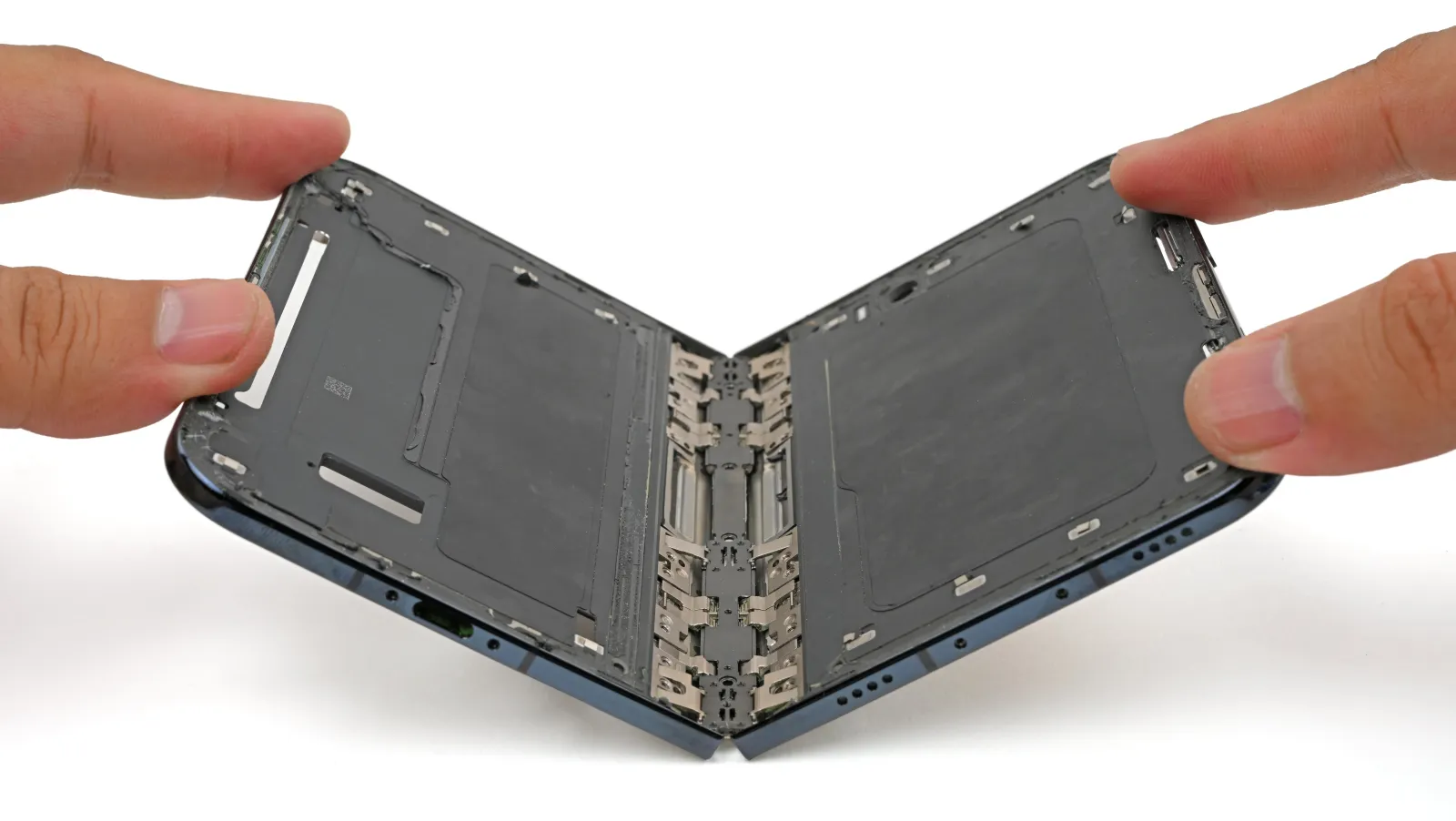
iPhone Duo screens crack above hinge - Apple confirms issue, iFixit tears it down
Within hours of launch, new foldables broke at the crease. Apple is replacing units, and teardown expert Shahram Mokhtari is inside the hinge.
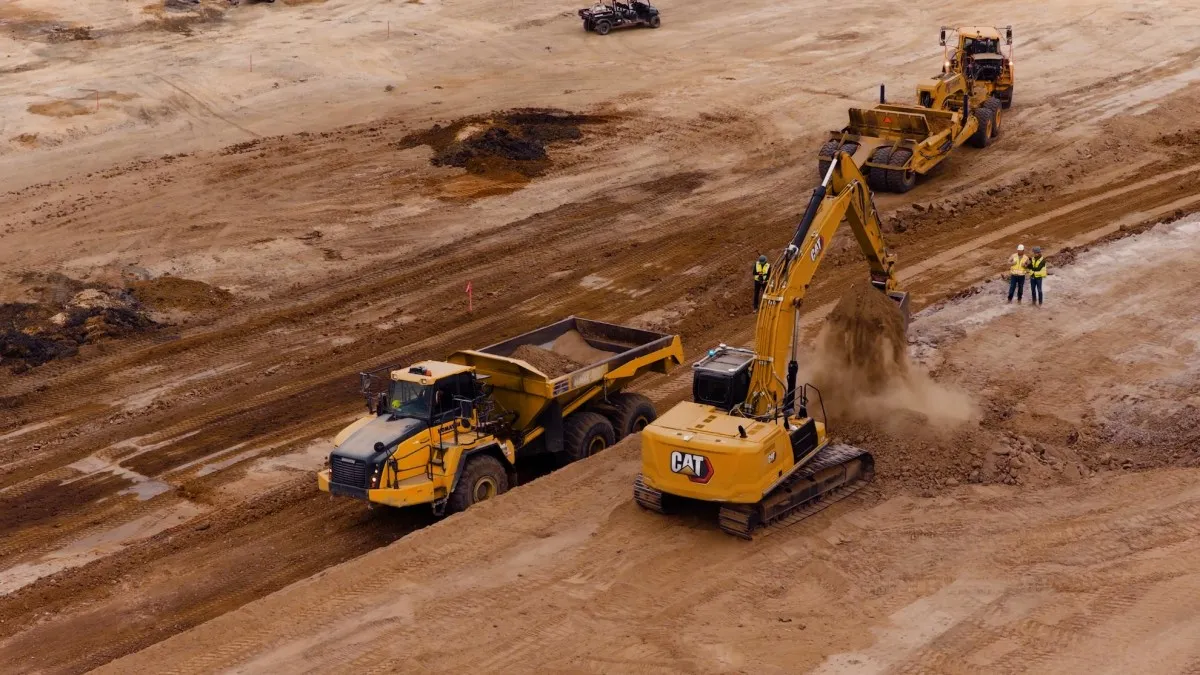
Self-driving excavator startup Bedrock digs up $600M, now worth $4.1B
Bedrock Robotics banks $600M to automate excavators, valuing the startup at $4.1B.
Microsoft offers buyouts to 60,000 as AI efficiency push reshapes its workforce
The voluntary buyout offer is the clearest sign yet that Microsoft will trim headcount even as it accelerates AI infrastructure spending.