
AI boosts drug discovery, but Cytiva says purification tech can’t keep up
The bottleneck isn’t finding candidates. It’s manufacturing, and purification can decide whether they ever reach patients.

Cytiva executives Henrik Ihre and Paul Belcher explain on the New Scientist CoLab podcast why drug purification becomes a high-stakes challenge as AI accelerates drug discovery. The consequence for decision-makers: the fastest pipeline in discovery can still fail at the shelf if purification and scale-up cannot match.
AI and big data are flooding discovery pipelines with high-potential drug candidates. But that speed is creating a mismatch: the capability to design “miracle molecules” is outstripping the technology needed to mass-manufacture those molecules safely for the global public.
On the New Scientist CoLab podcast, Cytiva Distinguished Fellow Henrik Ihre and Cytiva Business Leader Paul Belcher lay out the core problem: moving drug making from the scale of lab flasks to commercial bioreactors introduces non-linear biological and engineering shifts that can undermine purification. In other words, the experiment can look like a win, while the production run fails in ways you cannot spot until you try to purify at scale.
That “discovery-to-pharmacy” gap is not just a scientific nuisance. It is an operational and financial cliff. When AI-driven discovery shortens the path to candidate molecules, it can also expand the number of late-stage programs vying for manufacturing capacity, purification consumables, and process development talent. Your organization may look like it is progressing quickly on paper, while the real schedule risk moves to the manufacturing floor, where purification performance has to remain consistent from batch to batch.
The episode frames purification as a hidden, high-stakes science that sits between theoretical promise and real-world distribution. Cytiva’s discussion centers on the process of taking a drug from discovery to the shop shelf, then zooming in on how purification works, how it changes across development stages, and why small-scale success does not necessarily translate to industrial scale success.
This is where the industrial details matter. The podcast includes a segment on what chromatography resin is, and then connects that to a larger point: purification gets more difficult later in the process. Early experiments often let teams focus on whether a desired molecule can be detected or isolated at small scale. But as manufacturing scales up, the system is no longer “just a bigger flask.” Biological and engineering shifts can change how the molecule behaves, how impurities appear, and how reliably the purification step removes them. Those changes are non-linear, meaning they do not scale in a predictable, linear way that lets teams assume today’s lab result will tomorrow’s commercial run.
From a regulatory and quality-management perspective, that non-linearity is exactly what increases scrutiny. Biopharmaceutical manufacturing is built around consistency, validated processes, and controls that ensure safety and efficacy. If purification underperforms, the consequences can include delays, additional process development, and in the worst cases, program failure. The podcast explicitly points to the “human cost when purification goes wrong,” reminding listeners that this is not abstract project risk. Patients ultimately live with the output of manufacturing decisions.
It also matters who is making the decisions. In most biopharma companies, discovery leadership, CMC (chemistry, manufacturing, and controls), and manufacturing operations often have different incentives and timelines. Discovery teams may be rewarded for generating high-potential candidates quickly. CMC and manufacturing teams are judged on robustness, scale feasibility, and execution under real-world constraints. When AI supercharges drug discovery, that governance tension intensifies because the pipeline can expand faster than purification and manufacturing capability.
Cytiva’s episode tackles the future of AI drug discovery as well, including a specific question: is AI helping with purification? The framing is less about hype and more about whether AI advances can close the technology gap created by accelerated discovery. The chapter list even signals the practical direction: understanding the molecules being purified, defining chromatography resin, and explaining why purification gets harder later. That structure is a clue that the “AI future” needs to include manufacturing realities, not just candidate generation.
For boards, founders, and executives tracking pipeline momentum, the strategic stake is simple: you cannot treat purification as a downstream afterthought. If the discovery engine speeds up, but the purification and manufacturing system does not, the bottleneck shifts from “finding candidates” to “making products.” Your competitors may be launching faster, but speed that cannot be manufactured consistently turns into schedule risk, cost overruns, and potentially, patient impact. The podcast’s message is a warning with an operational prescription: align innovation in drug design with the capability to purify and mass-produce safely, or the shelf will stay out of reach.
This story's Key Insights and Take-aways are locked.
Create a free account to unlock Executive Actions for one credit.
Register to UnlockAlways free for Executives Club members. Join the Club
More in Science
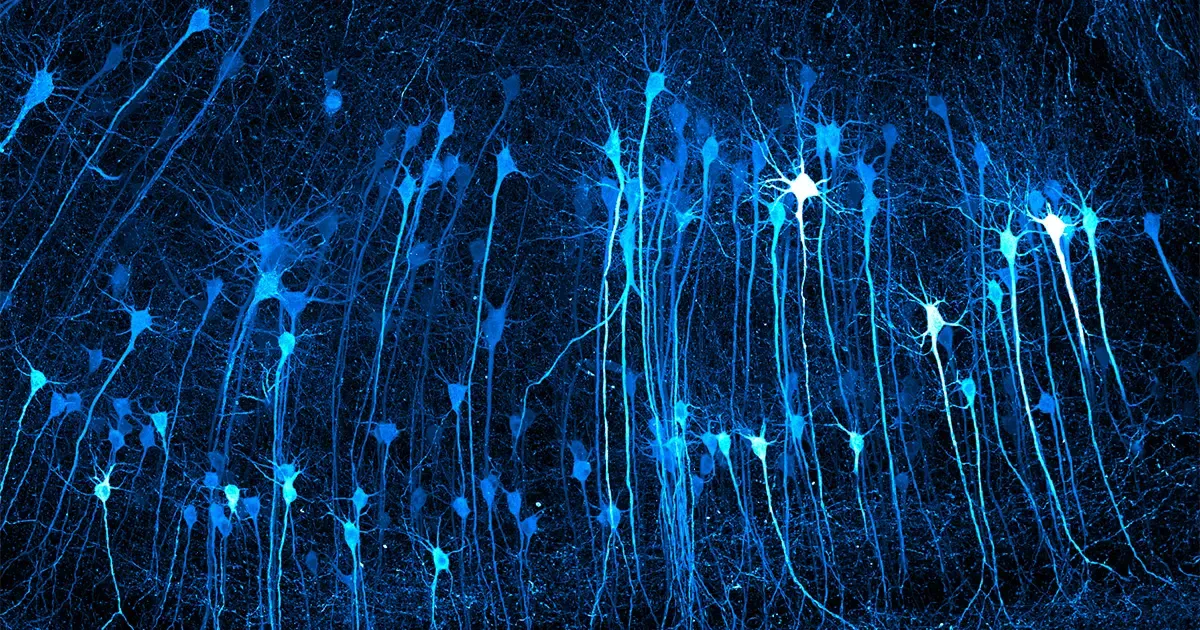
2026 Nikon Small World Winners Reveal the Hidden Machinery of Everyday Life
A mycologist's frozen Edinburgh garden became the backdrop for vivid views inside cells, a reminder of what advanced imaging now makes visible to researchers and the industries built on biology.
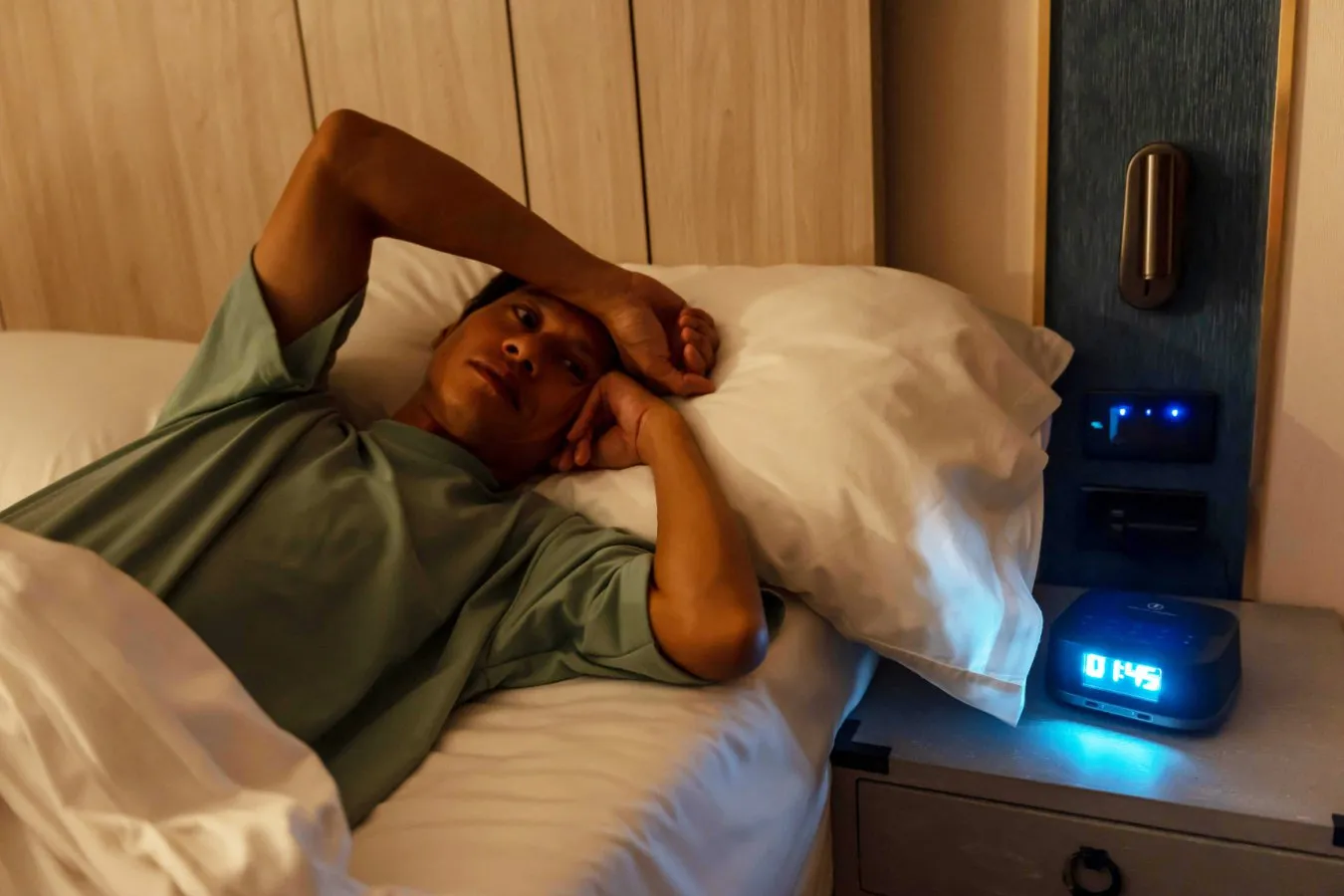
Study: 1 in 4 depression cases may be a body-clock problem, not a chemical one
A 10,000-person study finds standard antidepressants often fail these patients, but melatonin and morning sunlight may hit the real root cause.

Start-Up Says A.I. Designed a Virus to Attack One Patient's Superbug
If the claim holds up, personalized phage therapy could become a new frontline weapon against antibiotic resistance - but proof is far from final.