
AI-powered worm spreads without human help, researchers warn
A new worm can autonomously spread through networks, raising alarms for cybersecurity teams and executives.
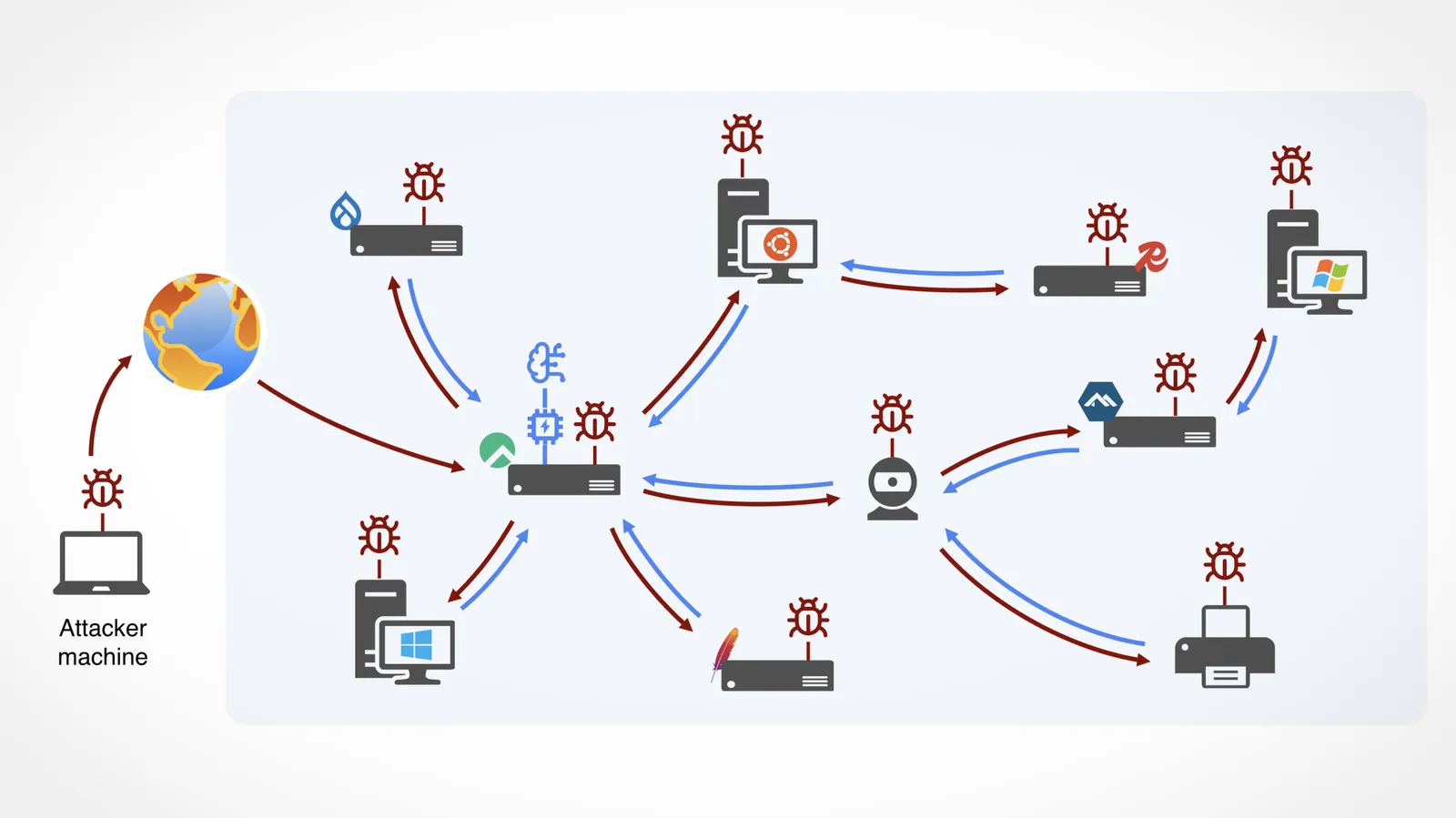
Researchers have created an AI-powered worm that can propagate through networks without any human intervention. This development signals a new frontier in cyber threats that could automate attacks at scale, demanding immediate attention from security leaders.
Researchers have demonstrated a new breed of AI-powered worm that can autonomously spread through computer networks, requiring no human interaction to propagate. The worm, developed by a team of security researchers, represents a significant escalation in the potential for automated cyberattacks. Unlike traditional worms that rely on pre-programmed instructions, this variant leverages AI to adapt its behavior, making it harder to detect and stop. The researchers showed how the worm could move from one system to another, exploiting vulnerabilities and using AI to evade security measures. This proof of concept underscores a growing concern: as AI becomes more sophisticated, so too will the tools used by malicious actors. For executives, this is not just a technical curiosity but a strategic risk that could disrupt operations, compromise data, and erode customer trust. The worm's ability to operate without human oversight means it could spread rapidly across networks, potentially infecting thousands of devices before security teams even realize an attack is underway. This is a wake-up call for organizations to reassess their cybersecurity postures, particularly as AI integration becomes more common in enterprise systems. The researchers' work highlights the need for proactive defenses, including AI-driven detection systems that can counter these threats in real time. For boards and C-suites, the implications are clear: the threat landscape is evolving, and traditional security measures may no longer suffice. Companies must invest in advanced threat intelligence, employee training, and incident response plans that account for AI-powered attacks. The worm also raises regulatory questions, as governments grapple with how to govern AI in cybersecurity. As this technology matures, the line between offensive and defensive AI will blur, forcing organizations to stay ahead of the curve. The researchers' demonstration is a stark reminder that the future of cyberwarfare is already here, and it is autonomous.
This story's Key Insights and Take-aways are locked.
Create a free account to unlock Executive Actions for one credit.
Register to UnlockAlways free for Executives Club members. Join the Club
More in Technology

OpenAI says 10,000 agents cracked a 90-year math problem in 88 hours
The company's claim is audacious, but one mathematician is pushing back. Here's what it means for AI-driven discovery.

Meta still serves child sexual abuse ads on Instagram in India - BBC report
A new report following the BBC Eye investigation says the ads are still there - what it signals for every platform with a self-serve ad engine.

White House yanks 'Build the Wall' game after Tetris Company copyright warning
The administration's arcade game vanished in hours - and the takedown playbook every brand can learn from.