

Alive textiles can host engineered microbes to change color and boost UV protection
Biodegradable, living fabric opens a new playbook for sustainable apparel, with engineered functions built into the material.
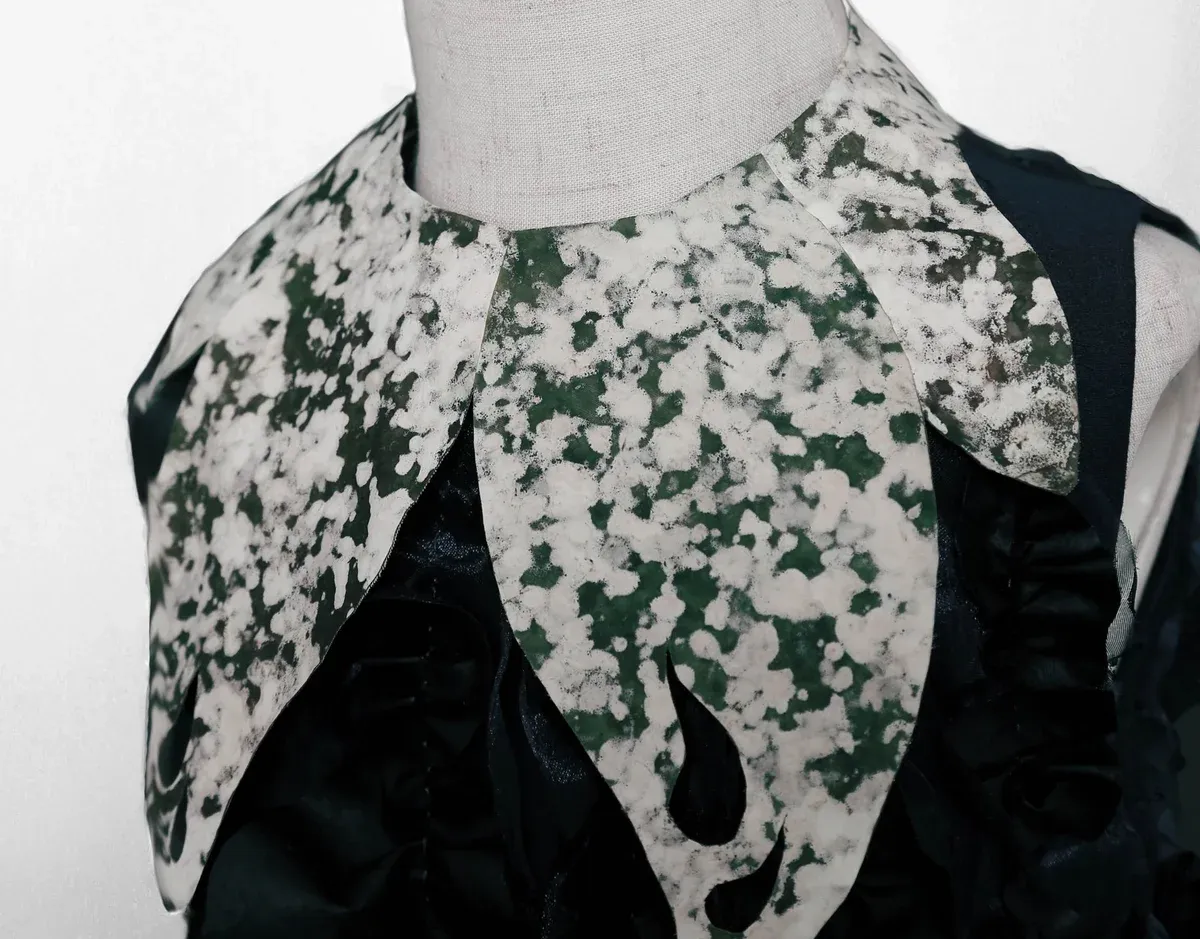
Researchers developed a biodegradable textile that is alive and can host engineered microbes. For decision-makers, that means clothing may soon carry built-in biological features like color changes and UV protection.
A new biodegradable textile is literally alive, and it can host engineered microbes that change what the fabric does. Instead of treating “function” as something added to fabric after the fact, researchers are turning the textile into a platform that can shift color and add UV protection through microbial activity.
This matters because it flips a familiar product logic. In mainstream apparel, color and protective properties come from dyes, finishes, coatings, or blended fibers. Here, the core material is living and able to accommodate engineered microbes, so the garment’s appearance and performance can be mediated from within. That is a big conceptual shift, even if the headline-level description is simple: the textile is biodegradable, alive, and engineered-microbe compatible.
Zoom out to why this is coming at the right time. Fashion and consumer goods are under persistent pressure to reduce waste and improve lifecycle outcomes. Biodegradable materials are one obvious lever, but biodegradability alone does not solve the whole “what do consumers get for switching?” equation. The intriguing part is that this approach aims to pair sustainability with active functionality, such as color changes and UV protection. If it works at scale, it could reduce the need for multiple chemical treatments that typically add cost and complexity.
There is also a systems-level incentive shift. If a textile can host microbes that perform useful tasks, the supply chain stops being purely chemical and becomes partly biological. That changes how teams think about validation, manufacturing consistency, storage, and end-of-life handling. Even without any additional details beyond the core claim, boards should assume the operating questions get harder, not easier. The upside is that you might replace several discrete processes with a single “living material” architecture. The risk is that biological systems can be sensitive to conditions, which can turn quality control into a science problem, not just a process problem.
Regulatory framing will be the second-order battleground. Engineered microbes, even when embedded in a textile, naturally drag adjacent questions into the room: what are the organism characteristics, how are they contained, and what happens during use and disposal? Traditional textile oversight focuses heavily on chemicals, durability, and worker safety for manufacturing. A living, microbe-hosting fabric introduces a new category of concern, especially around biodegradation and whether microbial activity persists after disposal. Decision-makers should expect regulators to ask for evidence that the engineered biological components remain safe across the garment lifecycle.
Then there is the market reality: executives do not just buy “cool science,” they buy predictability. Apparel brands and performance-goods companies invest in line-by-line reliability because returns are expensive and reputational risk is faster than fashion cycles. A living textile that can shift color or add UV protection will need clear guardrails. For example, how consistently does the color change happen, and does it happen under normal consumer conditions like washing, wear, heat, and light exposure? Does UV protection come from the microbe-driven changes, and how does it compare to established solutions in the market? The source does not provide those specifics, but the existence of these capabilities implies those are the exact questions a skeptical procurement team will raise.
If those hurdles are met, the strategic stakes extend beyond apparel. A microbe-hosting textile suggests a modular way to embed “active” functions into everyday materials. That could influence adjacent categories such as outdoor gear, medical textiles, and packaging-like applications where performance changes over time. For executives evaluating innovation portfolios, it offers a new direction for differentiation: not just styling or fiber blends, but living functionality built into the substrate.
For peers on boards and in product leadership, the key move is to treat this as both a sustainability story and an operational readiness story. The promise is simple and compelling: a biodegradable, living textile that can host engineered microbes, enabling color changes and UV protection. The strategic question is whether the company pursuing it can turn that promise into a controllable, compliant product at scale, without introducing unacceptable lifecycle or regulatory complexity.
This story's Key Insights and Take-aways are locked.
Create a free account to unlock Executive Actions for one credit.
Register to UnlockAlways free for Executives Club members. Join the Club
More in Science

Quasiparticles: “almost” particles you can measure, but not in a vacuum
Scientists debate what “quasi” means, and the practical answer changes how you interpret solids, electricity, and experiments.

EPS’s 2026 Prize goes to Sinova, Šmejkal, Jungwirth for altermagnetism
Europe’s top condensed matter award signals a third magnetic class, with real implications for future spintronic tech.

SpaceX’s Starship completes a successful test flight, proving steps toward reusable lunar transport
A successful Starship launch validated capabilities that matter for the economics, schedule, and regulation of human Moon missions.