
Amazon funds 12 unproven nuclear reactors to replace Indiana coal plant
The e-commerce giant is backing a 960-megawatt SMR fleet with X-energy and AEP, a high-stakes test for the AI data center power crunch.
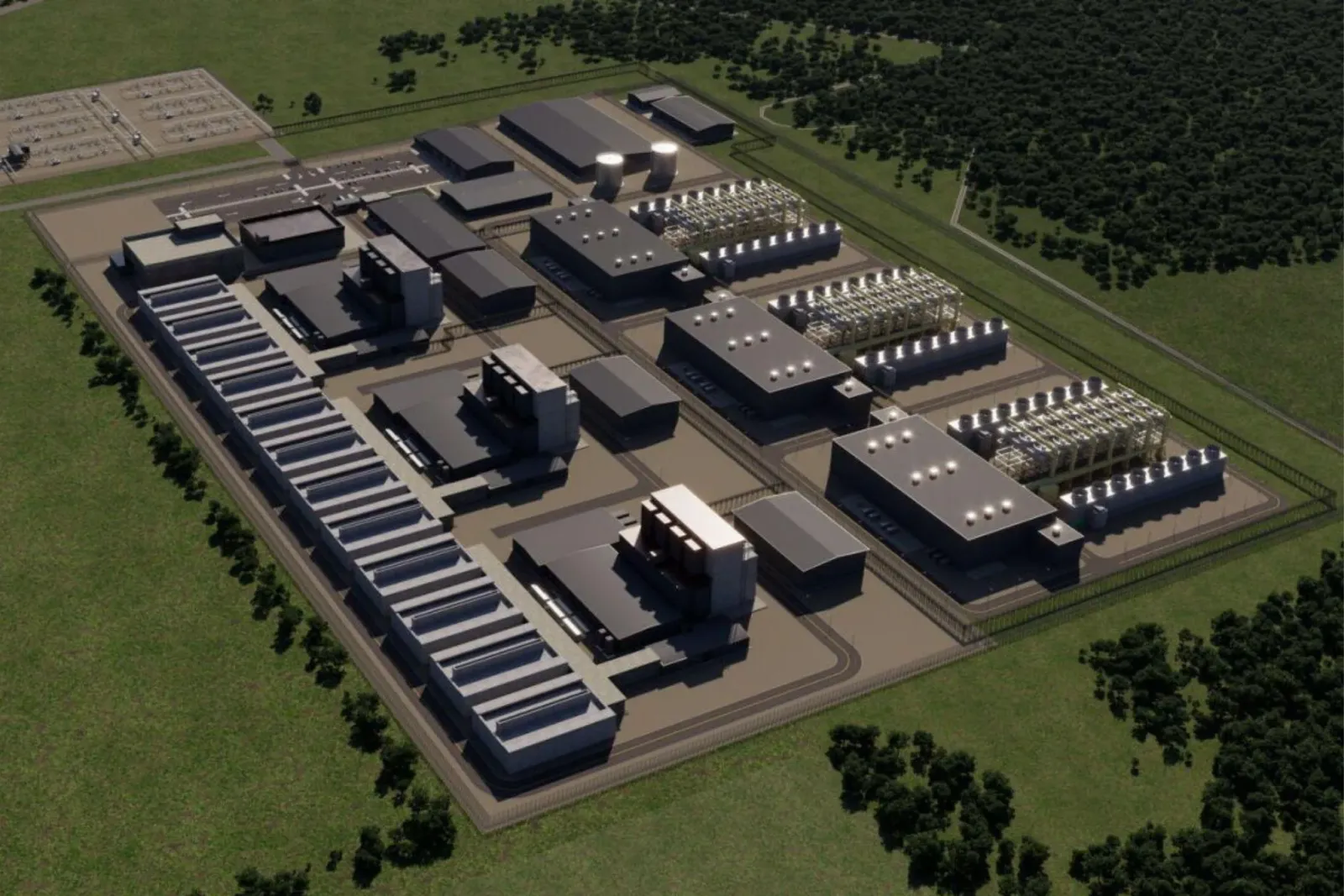
Amazon has signed an agreement with X-energy and American Electric Power to fund a 960-megawatt advanced nuclear facility in Indiana, replacing the retired Breed Generating Station. The deal puts Amazon's data center growth on the line as it underwrites a dozen unproven small modular reactors.
Amazon is putting its money behind 12 small modular reactors that have never been deployed commercially. The e-commerce giant signed an agreement with X-energy and American Electric Power (AEP) to fund a new nuclear facility in Indiana, replacing the defunct coal-fired Breed Generating Station in Fairbanks, Sullivan County. The proposed plant would generate up to 960 megawatts of carbon-free energy for both the regional power grid and Amazon's data centers, according to the company.
No timeline has been announced for construction or operation, and Amazon says the facility 'could' create 1,000 construction jobs and 100 permanent roles. That cautious language reflects the reality that the Xe-100, the reactor design X-energy plans to use, is an advanced but unproven technology. The facility is targeting 12 of these small modular reactors, or SMRs, which are designed to be built in factories and assembled on site, a departure from the massive custom-built reactors that dominate the existing U.S. nuclear fleet.
SMRs have been touted as a cheaper, faster way to add nuclear capacity, but none have been deployed at commercial scale in the United States. The Xe-100 is a high-temperature gas-cooled reactor that uses helium as a coolant and operates at higher temperatures than traditional light-water reactors, which proponents say makes it more efficient and safer. However, the design has not yet been proven at commercial scale, and regulatory approval and fuel supply remain open questions.
The deal gives X-energy a major anchor customer and gives AEP, a large utility, a path to replace a retired coal plant without taking on all the construction risk. Amazon's role as funder is significant: it signals that the company is willing to put capital behind new nuclear capacity rather than just buying power from existing plants. That could help accelerate the commercial timeline for SMRs, though the lack of a construction schedule means the project is likely years away from delivering electricity.
For the regional grid, the project would add a substantial source of baseload power in a state that has historically relied on coal. Indiana is one of the country's largest coal-producing states, and the Breed Generating Station's retirement left a gap in local generation capacity. Amazon's proposal to replace it with nuclear could reshape the energy mix in the Midwest, but the absence of a timeline means the plant is likely years away from delivering power. The U.S. nuclear fleet has been shrinking as plants retire, and new construction has been rare and costly. Small modular reactors are seen as a way to revive the industry, but they face significant hurdles, including licensing, fuel supply, and public acceptance.
The jobs numbers are modest relative to the scale of the project: 1,000 construction jobs and 100 permanent roles. That reflects the nature of advanced nuclear, which requires fewer operators than a coal plant. But for Sullivan County, a rural area that lost a major employer when the coal plant shut down, the promise of any new jobs is politically meaningful, even if the timeline is uncertain.
The deal is notable because Amazon is not just buying power from an existing plant; it is helping fund construction of a new one. That puts the company in the position of co-developer alongside a utility, a role that comes with both influence and risk. Amazon has been under pressure to reduce the carbon footprint of its data centers, which have grown rapidly as AI workloads expand. Nuclear power offers a way to get round-the-clock clean energy without relying on intermittent sources like wind and solar.
The strategic stakes for other executives are clear: if this project succeeds, it could become a template for how hyperscalers secure clean power in regions where the grid is constrained. If it fails, it will be a costly reminder that unproven reactor designs carry real execution risk. Either way, Amazon's move raises the pressure on competitors to make their own long-term power bets, and it gives regulators a live case study in how private capital can accelerate nuclear deployment. For boards and CFOs, the message is that the race for AI infrastructure is now also a race for reliable, carbon-free electricity, and that may require writing checks for technologies that are still proving themselves.
This story's Key Insights and Take-aways are locked.
Create a free account to unlock Executive Actions for one credit.
Register to UnlockAlways free for Executives Club members. Join the Club
More in Technology

doubleAI's Maxwell rewrites code while it runs, claims 38x speedups
The Tel Aviv startup's code execution model formally verifies optimizations, turning AI into an agent for the hardware itself.
Saudi military official paid to fly OpenAI bugging suspect's family out, prosecutors say
A court filing says a Saudi military official funded the family's exit and Riyadh offered bail, putting foreign-influence risk squarely on AI boards.

AI researcher's 26,000-word claim: Neural nets aren't tangled after all
Nick Cammarata's Goodfire post has the AI world split - if he's right, monitoring frontier models just got a lot easier.